The Sidecar
What Is a Sidecar? A Timeless Classic with a Citrus Kick
Some cocktails whisper. The Sidecar walks in with confidence — bright, bold, and carrying a century of charm in its glass. With its citrus zing, velvety brandy base, and signature sugared rim, the Sidecar cocktail has earned its place as one of the most iconic drinks ever created.
Whether you’re building your home bar or shaking up something special for the evening, the Sidecar delivers elegance without effort. It’s simple, balanced, and unforgettable — everything a great classic cocktail should be.
Before you dive into the recipe, it’s worth taking a look at the spirit that makes the Sidecar shine: cognac (or brandy). If you want a quick refresher on the difference, check out our Beginner’s Guide to Brandy and Cognac.
The Sidecar Cocktail: Origins, History & a Dash of Glamour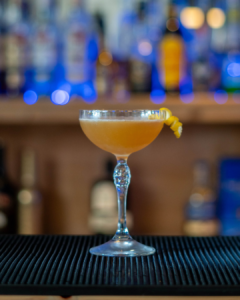
Where Did the Sidecar Come From?
The exact origin of the classic Sidecar is wrapped in a bit of cocktail mystery — and that’s part of what makes it so enduring. Most stories place its creation in the 1920s, split between two legendary cocktail hubs: Paris and London.
One popular version credits the elegant Ritz Hotel in Paris, where a bartender is said to have crafted the drink for an American officer who arrived in a motorcycle sidecar. Another story points to London’s Buck’s Club, known for pioneering several influential cocktails.
Whichever city claims the crown, the Sidecar arrived with near-perfect structure: brandy or cognac, orange liqueur, and fresh lemon juice, shaken into a drink that was simultaneously sharp, smooth, and effortlessly refined.
Why the Name “Sidecar”?
Two theories dominate the cocktail lore:
- The literal inspiration: A stylish gentleman showing up in a motorcycle sidecar, requesting something bracing.
- The bartending term: A “sidecar” also refers to a small glass of leftover cocktail mix served alongside the main drink.
Either way, the cocktail’s name captures that sense of fun, flair, and a little something extra — traits that helped it survive the century with its swagger intact.
A Sip of 1920s Glamour
In its early days, the Sidecar was a favorite among writers, artists, and the fashionable crowds drifting between Parisian cafés and London lounges. Its bright citrus profile and spirit-forward base made it ideal for the era’s love of bold, well-balanced cocktails.
The drink soon became a symbol of sophistication — the kind of cocktail enjoyed over whispered conversations, clinking glasses, and smoky jazz tunes. Today, it remains one of the most respected classics in cocktail history, perfect for both beginners and seasoned home bartenders.
The Anatomy of a Sidecar: What Makes This Classic Cocktail Shine
The Classic Sidecar Formula (from Cocktail Codex by Death & Co)
For this recipe, we’re using the exact Sidecar formula featured in Cocktail Codex by Death & Co — a book we genuinely love, purchased with our own money, and still refer to regularly. If you’re a home bartender, it’s one of those rare books that’s both beautifully educational and packed with practical cocktail wisdom.
Their Sidecar ratio is crisp, balanced, and timeless. It’s the perfect expression of what this cocktail should be.
Sidecar Ingredients (and Why Each One Matters)
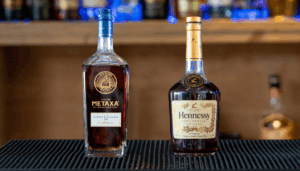
45 ml Brandy or Cognac – the heart of the drink
Whether you choose a smooth cognac or a well-made brandy, this base spirit brings rich warmth, oak, subtle spice, and dried fruit notes.
Want help choosing? See our Beginner’s Guide to Brandy and Cognac.
22.5 ml Cointreau or Triple Sec
Your orange liqueur provides sweet citrus balance, adding aromatic lift without overpowering the brandy.
22.5 ml Fresh Lemon Juice
Freshly squeezed is non-negotiable. The Sidecar depends on lively, bright acidity to cut through the richness of the spirit.
Optional: Sugar Rim
Elegant, nostalgic, and a little flirtatious — the sugar rim softens the lemon’s sharpness and adds sparkle to the presentation.
How to Make the Perfect Sidecar (Step-by-Step)
- Rim a chilled coupe with sugar (optional but classic).
- Add brandy or cognac, Cointreau, and fresh lemon juice to a shaker with ice.
- Shake vigorously for 10–12 seconds.
- Double strain into your glass.
- Garnish with an orange twist for a polished finish.
Result: icy-cold, vibrant, and totally satisfying.
Sidecar Flavor Profile: Bright, Balanced & A Little Bit Glam
What the Sidecar Tastes Like
A well-made Sidecar is a harmony of three elements:
- Brandy/Cognac: rich, warming, almost dessert-like depth
- Cointreau: sweet, clean orange aromatics
- Lemon Juice: sharp, refreshing acidity
- Sugar Rim (optional): gentle sweetness with each sip
The flavor experience is:
✨ Crisp
✨ Bold
✨ Aromatic
✨ Perfectly balanced
It’s elegant enough for a dinner party and fun enough for a Friday night cocktail experiment.
Why the Sidecar Stands Out Among Classic Cocktails
A Perfect Bridge Between Bright & Boozy
If you love the Boulevardier or Old Fashioned but want something with citrus sparkle, the Sidecar sits beautifully in the middle.
It offers:
- The warming depth of brandy
- The freshness of lemon
- The aromatic sweetness of orange liqueur
It’s ideal as an aperitif, a celebratory drink, or a go-to when you want something classic without feeling heavy.
Style & Serving Tips for the Perfect Sidecar
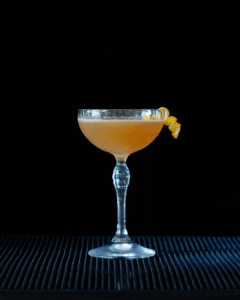
The Sidecar is already a striking cocktail, but how you serve it can elevate it from “great” to unforgettable. Presentation, temperature, and technique all play a role in achieving that signature Sidecar sparkle.
Glassware & Presentation: Setting the Stage
Coupe or Cocktail Glass — Your Best Choice
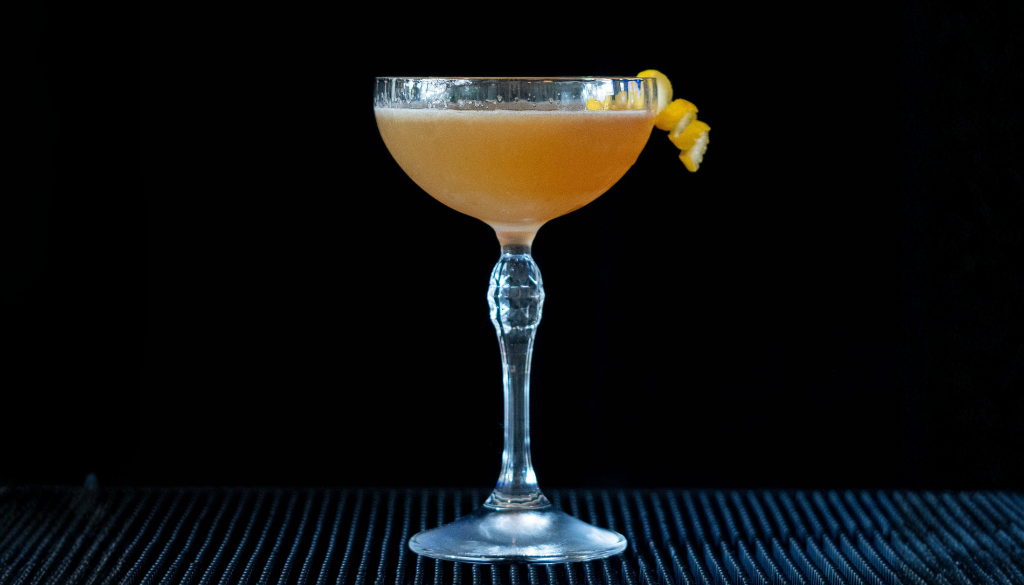
A chilled coupe is the traditional — and most elegant — way to serve a Sidecar. Its curved bowl shape showcases the color of the drink beautifully while keeping aromas close to the nose.
Prefer something sharper in silhouette? A V-shaped cocktail glass works just as well.
Sugar Rim: A Touch of Old-School Glamour
The sugar rim isn’t mandatory, but it’s iconic. It adds:
- A delicate sweetness with each sip
- Sparkling visual appeal
- A nod to the drink’s 1920s roots
For a clean, professional look, rim only half the glass. This keeps the aesthetic refined and gives guests the choice between sweet and unsweetened sips.
Garnish: Orange Twist vs. Lemon Twist
- Orange Twist: The most traditional garnish — offers warm citrus oils that complement the Cointreau.
- Lemon Twist: Brightens the drink and emphasizes its tart freshness.
Both work beautifully; choose depending on whether you want the Sidecar to lean warmer (orange) or crisper (lemon).
Pro tip: Express the twist over the glass to release essential oils before dropping it in or placing it on the rim.
Shaken or Stirred? Why the Sidecar Needs a Hard Shake
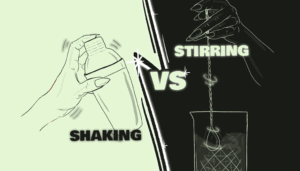
The Sidecar belongs firmly in the shaken cocktail family. Since it contains fresh citrus, shaking is essential for proper mixing, chilling, and dilution.
Shaking the Sidecar achieves three important things:
- Emulsifies citrus + liqueur + spirit into a silky, unified texture
- Adds micro-aeration, giving the drink a lively brightness
- Creates perfect dilution to round out the tart lemon without overpowering the brandy
If you’re curious why shaking works the way it does, check out our full breakdown here:
👉 The Difference Between Shaking and Stirring
Comparatively, classic spirit-forward drinks like the Boulevardier, Manhattan, or Old Fashioned are stirred to preserve clarity. The Sidecar? It’s all about lift, brightness, and texture — and shaking is the only way to achieve that.
Modern Twists: Fresh Spins on a Timeless Classic
One of the Sidecar’s strengths is how adaptable it is. With its simple structure — spirit, citrus, orange liqueur — it’s the perfect canvas for creative riffs. Whether you’re experimenting at home or refining your signature cocktail lineup, these variations add fresh personality without losing the Sidecar’s essence.
Mezcal Sidecar: Smoky, Bold & Unforgettable
Swap the brandy for mezcal and you get a cocktail that’s smokier, earthier, and edgier.
This variation is perfect for anyone who loves adventurous, modern cocktails.
Flavor notes: charred citrus, subtle smoke, bright acidity.
Raspberry Sidecar: Fruity, Fresh & Vibrant
Add muddled fresh raspberries — or a splash of raspberry syrup — to give the drink a juicy twist.
Great for spring and summer gatherings.
Flavor notes: berry sweetness, lifted citrus, bold color.
Spiced Sidecar: Cozy, Warm & Winter-Ready
Infuse your brandy with warm spices like cinnamon, clove, or star anise for a comforting cold-weather riff.
Flavor notes: holiday warmth, aromatic spice, softened acidity.
Food Pairings That Shine with the Sidecar
The Sidecar’s bright, citrus-forward profile makes it an ideal companion for a variety of foods. Whether you’re hosting a pre-dinner cocktail hour or a casual gathering, these pairings elevate the experience and highlight the cocktail’s elegance.
Cheese & Charcuterie: Soft, Creamy, and Balanced
Soft cheeses and charcuterie boards pair beautifully with the Sidecar’s citrusy brightness. The acidity in the cocktail cuts through creamy textures and complements savory notes.
Try pairing with:
- Brie or Camembert
- Aged Gouda or Havarti
- Prosciutto, soppressata, or mild salami
- Drizzle of honey or fig jam for a subtle sweetness
Pro Tip: Serve your Sidecar alongside a small charcuterie platter at your next gathering — the combination of citrus, sweetness, and savory bites will impress your guests.
Savory Bites: Bold Flavors That Play Nice
The Sidecar is versatile enough to pair with small plates or tapas-style appetizers. Its refreshing acidity balances smoky, salty, or umami flavors.
Recommended pairings:
- Smoked salmon crostini or smoked trout
- Roasted or spiced nuts
- Prosciutto-wrapped melon or fig bites
- Mini quiches or savory tarts
Fun idea: Offer a tasting flight of Sidecars with a variety of small bites for an elegant at-home experience.
Sweet Treats: Citrus Meets Sugar
The cocktail’s natural sweetness and brightness allow it to pair seamlessly with desserts — adding sparkle without overwhelming flavors.
Desserts to try:
- Lemon tarts or lemon bars (amplifies the citrus notes)
- Shortbread cookies or buttery pastries
- Dark chocolate or chocolate truffles
- Fruit tarts or fresh berries
Tip: Consider a sugar-rimmed Sidecar alongside a lemon tart for a picture-perfect pairing that tastes as good as it looks.
Pairing for Every Occasion
The Sidecar isn’t just a cocktail — it’s an experience that adapts to your event:
- Pre-dinner aperitif: Pair with light cheeses, smoked salmon, or citrusy canapés to awaken the palate.
- Casual gatherings: Serve alongside roasted nuts, crostini, or simple charcuterie boards for approachable sophistication.
- Dessert time: Highlight its citrus charm with lemon-based desserts, chocolate, or shortbread for a sweet finish.
Related Reading: For more cocktail and food pairing inspiration, check out our blog on shaking vs. stirring. Understanding the technique can enhance the flavor and texture of your Sidecar and other cocktails.
Related Classics You’ll Love
The Margarita
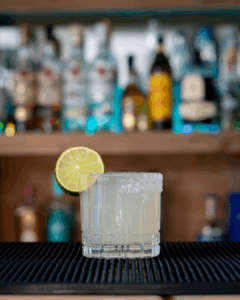
Ingredients: Tequila, Cointreau or Triple Sec, Lime Juice
Flavor Profile: Tart, slightly sweet, refreshing, spirit-forward
Vibe: Fun, vibrant, and adventurous
Why You’ll Love It: Much like the Sidecar, the Margarita balances citrus, sweetness, and a base spirit — here, tequila instead of brandy. If you adore the Sidecar’s bright, zesty edge, the Margarita offers a bold, sunny alternative.
Learn more about the Margarita here.
The Daiquiri
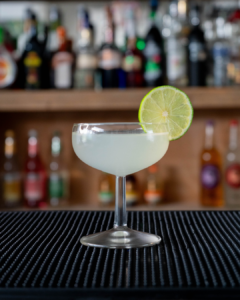
Ingredients: Rum, Lime Juice, Simple Syrup
Flavor Profile: Crisp, refreshing, citrus-forward, balanced
Vibe: Classic, tropical, and lively
Why You’ll Love It: The Daiquiri shares the Sidecar’s simple yet elegant formula of spirit + citrus + sweetness. Perfect for those who want a clean, bright cocktail without any fuss.
Learn more about the Daiquiri here.
The Old Fashioned
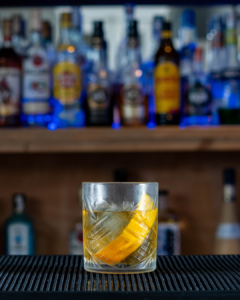
Ingredients: Whiskey, Sugar, Bitters, Orange Twist
Flavor Profile: Rich, warming, spirit-forward, subtly sweet
Vibe: Timeless, classic, and sophisticated
Why You’ll Love It: The Sidecar and Old Fashioned both celebrate spirit-forward elegance. While the Sidecar adds citrus and liqueur, the Old Fashioned keeps it minimalist, letting the whiskey shine — perfect for fans of bold simplicity.
Learn more about the Old Fashioned here.
The Classic Martini
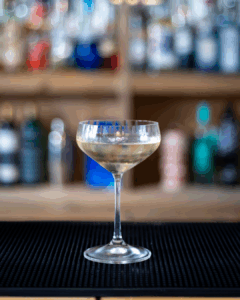
Ingredients: Gin, Dry Vermouth, Lemon or Olive Garnish
Flavor Profile: Crisp, aromatic, spirit-forward
Vibe: Elegant, refined, and iconic
Why You’ll Love It: Like the Sidecar, the Martini is a showcase for your base spirit. If you appreciate clarity, balance, and sophistication in your cocktail, the Classic Martini is a natural companion to the Sidecar.
Learn more about the Classic Martini here.
The Negroni
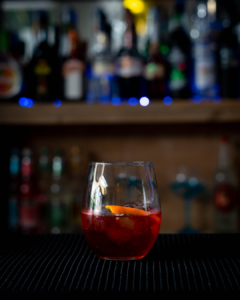
Ingredients: Gin, Campari, Sweet Vermouth
Flavor Profile: Bitter, slightly sweet, aromatic, bold
Vibe: Sophisticated, complex, and European
Why You’ll Love It: The Negroni offers a more bitter and herbaceous experience than the Sidecar but shares the same level of elegance and balance. A perfect choice for those who enjoy nuanced, spirit-forward drinks.
Learn more about the Negroni here.
The Boulevardier
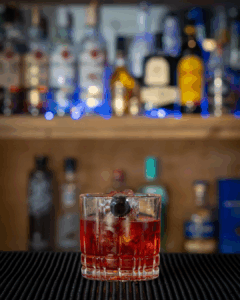
Ingredients: Bourbon or Rye, Campari, Sweet Vermouth
Flavor Profile: Rich, bittersweet, warming, sophisticated
Vibe: Classic, refined, and slightly adventurous
Why You’ll Love It: If you love the Sidecar’s balance of sweet and spirit-forward notes, the Boulevardier offers a richer, darker spin — perfect for cozy evenings or sophisticated sipping sessions.
Learn more about the Boulevardier here.
The French 75
Ingredients: Gin, Lemon Juice, Simple Syrup, Champagne
Flavor Profile: Bright, bubbly, crisp, citrus-forward
Vibe: Elegant, celebratory, and effortlessly chic
Why You’ll Love It: The French 75 shares the Sidecar’s love of citrus and refined balance, but adds sparkling wine for a festive twist. Think of it as the Sidecar’s effervescent cousin — ideal for brunch, toasts, or any moment that calls for bubbles.
Learn more about the French 75 here.
The Martinez
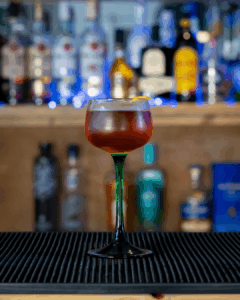
Ingredients: Gin, Sweet Vermouth, Maraschino Liqueur, Orange Bitters
Flavor Profile: Herbal, slightly sweet, citrus notes
Vibe: Vintage, aromatic, and subtly complex
Why You’ll Love It: Considered a predecessor to the Martini, the Martinez shares the Sidecar’s balance and elegance but with a touch more herbal complexity. Perfect for fans of classic European-style cocktails.
Learn more about the Martinez here.
The Manhattan
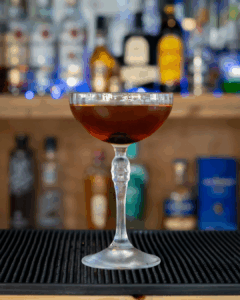
Ingredients: Rye or Bourbon, Sweet Vermouth, Bitters
Flavor Profile: Rich, warming, slightly sweet, aromatic
Vibe: Timeless, confident, and sophisticated
Why You’ll Love It: The Manhattan and Sidecar both celebrate the beauty of spirit-forward drinks. While the Sidecar is bright and citrusy, the Manhattan is deep, warming, and perfect for contemplative sipping.
Learn more about the Manhattan here.
🏍 The Sidecar 🏍
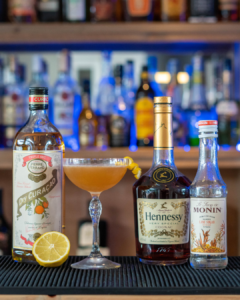
Ingredients
- 45 ml Cognac
- 30 ml Orange Curaçao or Triple Sec
- 22.5 ml Lemon juice
- 5 ml Simple Syrup
Garnish with a lemon twist.
Instructions
- Combine all ingredients into a shaker.
- Add ice cubes.
- Shake.
- Strain into a chilled coupe glass.
- Garnish with a lemon twist, wheel, or wedge.
- Enjoy!
Remember: Drink Responsibly, Don’t Spill Any!😉
📸 Don’t forget to capture the magic of your Sidecar creation and share it with us using #WorthingtonsBar. We can’t wait to see the artistry and creativity you bring to this fantastic cocktail! Cheers to the perfect balance of flavors and the timeless pleasure of a classic cocktail! 🌟✨
Final Thoughts: Sip Through History
Some cocktails tell a story — the Sidecar tells a whole chapter of 1920s Paris. With its perfectly balanced mix of brandy, citrus, and orange liqueur, this cocktail embodies Parisian charm, jazz-filled nights, and timeless elegance.
Shake it, strain it, and garnish with a twist. Each sip delivers bright, warming flavors that transport you straight to cobblestone streets and flapper-era sophistication. Whether you’re toasting a special occasion or simply unwinding at home, the Sidecar offers a classic experience that never goes out of style.
Curious about the spirit behind the cocktail? Learn more about Brandy and cognac here and elevate your Sidecar game even further.
Raise your glass and celebrate the Sidecar — bright, balanced, and endlessly captivating.
Frequently Asked Questions About the Sidecar
Q: What is a Sidecar cocktail?
A: The Sidecar is a classic cocktail made with brandy or cognac, dry curaçao or triple sec, and fresh lemon juice. It’s shaken with ice, strained into a coupe or cocktail glass, and often garnished with an orange or lemon twist.
Q: Where did the Sidecar originate?
A: The Sidecar likely originated in the 1920s, either in Paris or London, during the post-World War I cocktail boom. Its name is said to reference either a dashing American Army captain or the motorcycle sidecar he arrived in.
Q: What does a Sidecar taste like?
A: Expect a bright, balanced cocktail — the brandy provides warmth and depth, dry curaçao adds sweetness and citrus aroma, and lemon juice delivers a crisp, refreshing tartness. Optional sugar rims can add an extra touch of elegance.
Q: Can I use bourbon or whiskey instead of brandy?
A: While traditional Sidecars use brandy or cognac, some mixologists experiment with bourbon or rye whiskey. The flavor will be richer and slightly spicier but still balanced and delightful.
Q: Should the Sidecar be shaken or stirred?
A: The Sidecar should always be shaken, not stirred. Shaking blends the tart lemon juice with the liqueur and brandy, chills the drink quickly, and creates a smooth, vibrant cocktail.
Q: What glassware and garnish are recommended?
A: Serve in a coupe or cocktail glass. Garnish with an orange twist for aroma and visual appeal, or a lemon twist for extra citrus brightness. Optional sugar rims add a classic touch.
Q: What foods pair well with a Sidecar?
A: The Sidecar pairs beautifully with soft cheeses (brie, camembert), charcuterie, smoked salmon crostini, lemon tarts, and dark chocolate. Its bright, citrusy profile complements rather than overpowers your appetizer spread.
Q: How is the Sidecar related to other classic cocktails?
A: The Sidecar shares the elegance and citrus-forward charm found in cocktails like the Boulevardier, Old Fashioned, French 75, and even a modern Sidecar Royale. Each one highlights balance, simplicity, and sophisticated flavor.
If you want to see the video tutorial on this drink, check it out on our Instagram page and TikTok! We would love to connect with you and hear about what recipe we should make next. 😁