

The Classic Martini
Simplicity at Its Most Sophisticated
It’s about time we gave the Classic Martini its moment.
After all the Appletinis, Pornstar Martinis, and Espresso Martinis we’ve been shaking up lately, it feels right to slow down, stir things up, and return to where it all began — the original, unapologetically refined Gin Martini.
The Story Behind the Classic Martini: Origins & Evolution
Classic Martini Origins: From the Martinez Cocktail to Modern Gin Elegance
One of the most enduring stories traces the Martini’s roots back to the mid-19th century during America’s Gold Rush era. At the Occidental Hotel in San Francisco, legend has it a miner walked in, placed a gold nugget on the bar, and challenged bartender Jerry Thomas (the “father of American mixology”) to “make me something special.” The result: a cocktail of Old Tom gin, sweet vermouth, maraschino liqueur, and bitters — known as the Martinez, a clear ancestor of today’s Classic Martini.
Martini Name Origins: Did Martini & Rossi Inspire the Cocktail?
Another strong contender for the Martini’s name comes from the Italian vermouth brand Martini & Rossi, founded in 1863. As vermouth became widely used in cocktails, bartenders might have asked for “a Martini” — referring to the vermouth — which gradually evolved into the gin-and-vermouth cocktail we know today. This story links the cocktail directly to international trade, branding, and cocktail culture.
Dry Martini Legend: The Knickerbocker Hotel Connection
In the early 1900s, bartender Martini di Arma di Taggia at New York’s Knickerbocker Hotel is said to have created the first dry gin martini for wealthy clientele like John D. Rockefeller. While historical recipes show the term “martini” earlier, this tale popularized the “dry” version and helped cement its signature sophistication in cocktail culture.
Prohibition & Martini Evolution: From Speakeasies to Iconic Status
During Prohibition (1920–1933), gin became the easiest spirit to produce illicitly, making the gin + vermouth combination a speakeasy favorite. By the 1920s–30s, martinis became drier, served in the newly popular V-shaped martini glass, emphasizing elegance, crispness, and style. Over decades, the Classic Martini evolved into the timeless gin cocktail known for minimalism, aroma, and subtle complexity.
Why Classic Martini History Matters: Style, Culture, and Legacy
Every origin story adds a layer of meaning to the Classic Martini. The Martinez tale highlights rugged ingenuity. The vermouth brand story connects the cocktail to global culture. The Knickerbocker legend adds glamour and urbane sophistication. Together, they show that this cocktail isn’t just gin and vermouth — it’s a cultural icon, a statement of style, and a sip of history.
The Gin Martini: The OG That Started It All
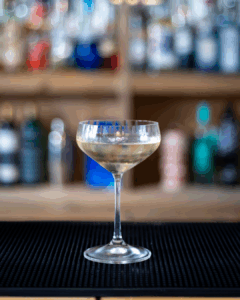
While there are dozens of Martini variations (we’re looking at you, Espresso Martini and Pornstar Martini), the Gin Martini remains the original and arguably, the best.
A perfectly balanced Martini should be crisp, cold, and aromatic. We love ours with dry gin, dry vermouth, and just a dash of orange bitters for that subtle citrus twist. Stirred, not shaken (sorry, 007). If you want to read more about what Hollywood got wrong in movies about iconic drinks, read our Bartender Myths: What Movies Get Wrong About Cocktails blog.
The Martini: The Cocktail That Defines “Classic”
There’s no drink more iconic — or more misunderstood — than the Classic Martini.
It’s not just a cocktail; it’s a cultural icon. Elegant, minimal, and steeped in ritual, the Martini doesn’t shout to be noticed — it whispers confidence. It’s the drink that says: you know what you like, and you like it cold, clean, and unapologetic.
What Makes the Classic Martini So Elegant and Timeless
The Classic Martini has long been shorthand for sophistication.
Picture it: crystal-clear, perfectly chilled, catching the light in that way only a Martini can. It’s the cocktail of movie stars, jazz legends, and anyone who knows that true style doesn’t need to scream: it just is.
On paper, it’s simple — gin, vermouth, and a dash of bitters — but in practice, it’s a masterclass in balance. Every ingredient must earn its place. The Gin Martini rewards precision, not excess. One extra splash or second of stirring can make or break it, which is why mastering it feels so satisfying.
This isn’t a cocktail for overcomplicating. It’s about confidence in simplicity — an understanding that when the ingredients are this pure, less really is more.
The Classic Martini isn’t about trends: it is the trend.
It’s the drink of choice for old Hollywood stars, suave spies, and modern minimalists alike. Whether you prefer it bone-dry, slightly wet, or somewhere in between, the Martini adapts to your taste while always keeping its signature edge.
It’s crisp, elegant, and endlessly customizable. The Classic Martini is a reflection of personality more than preference. Each stir is a quiet nod to over a century of cocktail culture, distilled down to pure perfection in a chilled glass.
How the Perfect Gin Martini Balances Flavor and Simplicity
A well-made Martini is all about proportion and patience.
The gin brings backbone and botanicals like juniper, citrus and herbs, while the vermouth softens and smooths, adding subtle herbal depth. That final dash of bitters? It’s the quiet connector that ties everything together.
Get it right, and your reward is a drink that’s crisp, aromatic, and quietly powerful: a symphony of cool precision in a glass.
Get it wrong, and you’ve got gin with an identity crisis.
The Martini doesn’t forgive shortcuts. It demands respect for temperature, ratio, and clarity. It’s a cocktail that proves mastery through restraint, where control and care are the real secret ingredients.
Why the Classic Martini Is Every Bartender’s Ultimate Test
Ask any professional bartender what the hardest cocktail to perfect is, and most will point to the Classic Martini. Why? Because there’s nowhere to hide.
No syrup to mask mistakes, no citrus to distract, just technique and temperature.
The stir must be deliberate. The ice must be fresh. The pour must be smooth and silent. Even the glass matters; chilled to the exact point where condensation forms, but the liquid stays sharp and clear.
That’s why the Martini is considered the benchmark of cocktail craftsmanship.
It’s the drink that separates the casual pourer from the confident craftsman. Because when you can master a Martini, you can master anything.
Martini Garnish Guide: Olive or Lemon Twist?
Ah, the age-old debate: olive or lemon twist?
Each choice tells a story about your mood. The olive adds a whisper of briny depth — a savory counterpoint that makes the gin’s botanicals sing. It’s bold, salty, and classic. The lemon twist, on the other hand, delivers a fragrant burst of citrus oil — clean, bright, and modern.
There’s no right answer, only preference. The olive is tradition. The twist is flair. And if you’re feeling adventurous, there’s nothing stopping you from exploring both — one Martini at a time.
(At Worthington’s Bar, we’re partial to the lemon twist for a crisp weekday sip… and an olive when Friday rolls around.)
The Classic Martini Lifestyle: More Than Just a Cocktail
More than a recipe, the Classic Martini is a mindset. It’s a declaration of taste — a subtle way of saying you appreciate craft, precision, and poise. It’s not just what’s in the glass, but what the glass represents.
Drinking a Martini isn’t about chasing trends — it’s about honoring a tradition that’s remained effortlessly cool for over a century. It’s minimalism at its most luxurious: no foam, no glitter, no gimmicks. Just gin, vermouth, and confidence, served cold.
In a world of neon cocktails and over-the-top garnishes, the Classic Martini remains a refreshing reminder that real sophistication doesn’t need decoration. Sometimes, the boldest move you can make is keeping it simple.
The Recipe That Inspired Ours

For this one, we turned to one of our favorite cocktail creators, Steve the Bartender — the Aussie mixologist known for his easygoing charm, crystal-clear tutorials, and knack for making even the most intimidating classics feel achievable.
Steve’s version of the Classic Martini uses 75 ml of dry gin, 15 ml of dry vermouth, and a dash of orange bitters, stirred over ice until perfectly chilled and smooth. It’s a simple, balanced take that respects tradition while keeping things refreshingly approachable — just the way we like it at Worthington’s Bar.
If you’re not already familiar with Steve, he’s been sharing cocktail wisdom on YouTube and his website for years, helping both beginners and enthusiasts elevate their home bartending game. His focus on technique, flavor balance, and understanding the why behind the recipe is exactly why we trust him with the classics.
Why This Martini Ratio Works: 75ml Gin, 15ml Vermouth + Bitters
The Perfect Balance: Why the 2:1 Ratio Matters
The 2:1 ratio of gin to vermouth is the sweet spot for Classic Martini perfection. Gin takes center stage, showcasing its botanical complexity and aromatic punch. The vermouth is the quiet co-star, adding herbal depth and subtle sweetness that rounds out the spirit without overpowering it. A dash of orange bitters ties it all together, providing a whisper of citrusy warmth and complexity that elevates every sip.
Stirring vs Shaking: How Technique Shapes Flavor
Stirring is the mark of a true martini craftsman. By stirring gently over ice, you chill the drink while preserving the crystal-clear appearance and silky texture. Shaking can introduce froth, dilute flavors too quickly, and even mute some of the gin’s botanical notes. Stirring ensures that each sip is elegant, balanced, and perfectly polished — exactly what a classic gin martini is all about.
Quick Tips: Master Your Classic Martini in a Few Steps
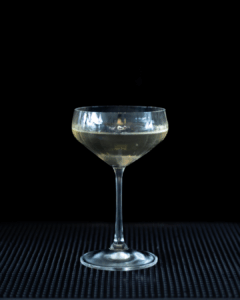
1. Chill Everything
Glass, gin, vermouth — the colder, the better. A frosty glass keeps your Martini crisp and refreshing.
2. Stir, Don’t Shake
Gentle stirring over ice preserves clarity, aroma, and texture. Shaking? That’s a party trick — not classic technique.
3. Mind the Ratio
Our go-to: 75ml gin : 15ml vermouth + dash of orange bitters. Simple, balanced, and perfection in a glass.
4. Garnish with Intention
Olive for briny depth. Lemon twist for brightness. Choose based on your mood — or do both!
5. Sip Slowly, Appreciate Fully
Take in the aroma, taste the botanicals, enjoy the finish. A Classic Martini isn’t a quick sip — it’s a moment of sophistication.
Flavor Experience: How to Taste a Classic Martini
First Impression: Aromatic and Inviting
Bring the glass to your nose and inhale deeply. The gin’s botanicals — juniper, coriander, citrus, and subtle floral notes — hit first, crisp and invigorating. Then comes the gentle herbal aroma of the vermouth, softening the sharpness just enough to intrigue your palate. Finally, a hint of orange bitters adds a whisper of citrus complexity that keeps your senses alert.
Middle Notes: Smooth Herbal Harmony
As you take your first sip, the vermouth slides in gracefully. Its herbal sweetness balances the gin’s assertive flavors, creating a layered, harmonious experience. This is where the Martini proves its sophistication: every element works together, never competing, always complementing.
Finish: Clean, Crisp, and Satisfying
The finish is where the Martini shines. Cool and dry, the flavors linger without cloying the palate. The ice has done its job: chilled the cocktail, softened the edges, and allowed the flavors to integrate perfectly. You taste clarity, quality, and craft in every drop — a reminder that sometimes less truly is more.
When to Make a Classic Martini: Perfect Occasions & Pairings
Ideal Moments to Sip
The Classic Martini is the ultimate conversation starter and confidence booster. Serve it:
- On a chill night in, with soft music and a vinyl record spinning.
- During a bar cart gathering, where elegance and simplicity rule.
- To impress guests who appreciate subtle, spirit-forward cocktails.
Presentation Tips: Glassware & Garnish
- Glassware: Chilled coupe or a sleek martini glass for maximum style.
- Garnish: Lemon twist for brightness, or a green olive for a touch of briny sophistication — it’s your mood, your martini.
- Technique: Stir over ice for 20–30 seconds, then strain to keep it crystal clear, silky, and perfectly balanced.
A Tale of Three Martinis: Classic vs. Vodka vs. Dirty
Ever wondered how the Classic Martini stacks up against its modern siblings? The Vodka Martini is smooth, subtle, and clean, letting the spirit shine without botanical intensity. The Dirty Martini introduces briny, savory charm, adding olives and olive juice for a bold twist. And of course, the gin-forward Classic Martini is about balance, aroma, and tradition.
Head over to our blog The Martini Line-Up: Classic vs. Vodka vs. Dirty to explore the differences, discover tasting notes, and find the version that best suits your style. Spoiler: there’s no wrong choice — just different moods in a martini glass.
🍸 The Classic Martini 🍸
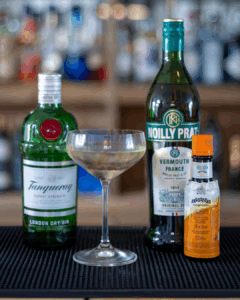
Ingredients
- 75 ml Dry Gin
- 15 ml Dry Vermouth
- 1 dash of orange bitters
Instructions
-
- Add all the ingredients into your mixing glass.
- Add ice cubes.
- Stir well for about 30-40 seconds.
- Strain into a chilled cocktail glass.
- Garnish with olives or a lemon twist.
- Enjoy!
Remember: Drink Responsibly, Don’t Spill Any!😉
📸 Don’t forget to capture the magic of your Martini creation and share it with us using #WorthingtonsBar. We can’t wait to see the artistry and creativity you bring to this classic cocktail! Cheers to the perfect balance of flavors and the timeless pleasure of a well-crafted cocktail! 🌟✨
Final Thoughts: Why the Classic Martini Will Always Reign
The Martini as a Statement Cocktail
The Classic Martini isn’t just a drink — it’s a statement cocktail. It proves that simplicity, balance, and attention to detail never go out of style. While trends come and go — Espresso Martinis with sugar rims, Pornstar Martinis with passion fruit theatrics — the gin martini stands firm, quietly commanding respect in every chilled, crystal-clear glass.
Less Is More: Elegance in Every Sip
Making a Classic Martini is about restraint, precision, and confidence. Less is more: no flashy garnish, no sugary syrup, no gimmicks — just gin, vermouth, and a dash of bitters. Master the perfect stir, serve it in a chilled martini glass, and you’ve created a cocktail that’s elegant, balanced, and utterly timeless.
A Ritual That Connects You to Cocktail History
Drinking a gin martini is a ritual. The chill of the glass, the swirl of the stirrer, the scent of botanicals and citrus oils — it’s an experience. Every sip is a nod to history, from Gold Rush saloons to Prohibition-era speakeasies, from old Hollywood glamour to modern minimalism. This isn’t just a drink; it’s a connection to over a century of cocktail culture, all in one Classic Martini recipe.
Your Twist on a Timeless Martini
Whether you choose a lemon twist or a classic olive garnish, and whether you like it bone-dry or slightly wet, every choice tells your story. The Classic Martini is endlessly customizable — elegant, aromatic, and perfectly suited for your home bar or next cocktail night.
Cheers to the Perfect Gin Martini
So here’s to simplicity. To mastery. To balance. To the Classic Martini — the cocktail that started it all, the drink that defines sophistication, and the recipe every cocktail lover should know. Learn how to make a martini that’s crisp, refreshing, and unforgettable, and raise your glass to timeless elegance.
Classic Martini FAQ: Everything You Need to Know
Q: What is a Classic Martini?
A: A Classic Martini is the original gin-and-vermouth cocktail, often served with a dash of orange bitters and garnished with a lemon twist or olive. It’s crisp, elegant, and a masterclass in simplicity. Unlike the more modern or gimmicky Martinis — think Espresso, Pornstar, or Appletini — the Classic Martini is all about balance, technique, and precision.
Q: What is the difference between a Classic, Vodka, and Dirty Martini?
A: Each has its own personality — read our full blog The Martini Line-Up: Classic vs. Vodka vs. Dirty for a full comparison.
-
Classic Martini: Gin-forward, aromatic, stirred, and perfectly balanced.
-
Vodka Martini: Smooth and clean, letting the vodka shine without botanical complexity.
-
Dirty Martini: Adds olive brine for a savory, bold twist that’s perfect if you like a salty edge.
Q: Should a Classic Martini be stirred or shaken?
A: Always stir. Stirring chills the drink evenly, preserves the gin’s botanicals, and keeps the cocktail crystal clear. Shaking can introduce froth, dilute the drink too fast, and even mute some of the gin’s delicate flavors.
Q: How do you garnish a Classic Martini?
A: You have two iconic options:
-
Olive: Adds a subtle briny depth, making the gin pop.
-
Lemon Twist: Bright, aromatic, and clean — perfect if you want a modern touch.
At Worthington’s Bar, we love a lemon twist for weekday sipping and an olive when Friday rolls around.
Q: What gin should I use for a Classic Martini?
A: Go for a dry, botanical-forward gin. London Dry gins are classic choices, but feel free to experiment — the gin’s flavor is the star of the show, so choose one you love sipping on its own.
Q: How dry should a Martini be?
A: That’s up to your taste. Bone-dry? Just a splash of vermouth. Slightly wet? Add a little more vermouth for balance. At Worthington’s Bar, we use a 75ml gin to 15ml vermouth ratio plus a dash of orange bitters for the perfect balance of clarity, aroma, and subtle complexity.
Q: Can I make a Classic Martini without bitters?
A: Yes, but adding a dash of orange bitters enhances the aroma and adds a subtle citrus complexity that ties the gin and vermouth together beautifully. Think of it as the finishing touch that makes a good Martini great.
Q: When is the best time to enjoy a Classic Martini?
A: Anytime you want a drink that’s sharp, elegant, and sophisticated:
-
Chill night in with music or a book.
-
Bar cart gatherings with friends who appreciate spirit-forward cocktails.
-
Impressing guests with minimal effort but maximum impact.
Q: Can I make a batch of Classic Martinis for a party?
A: Absolutely! Mix your gin, vermouth, and bitters in a pitcher or bottle, chill, and stir with ice just before serving. Garnish individually with a lemon twist or olive for that finishing touch.
Q: Where can I find the full Classic Martini recipe we used?
A: We based ours on the legendary Steve the Bartender recipe — 75ml dry gin, 15ml dry vermouth, and a dash of orange bitters, stirred over ice. Check out our full blog post for tips, history, and flavor notes to perfect your Martini game.
If you want to see the video tutorial on this drink, check it out on our Instagram page and TikTok! We would love to connect with you and hear about what recipe we should make next. 😁
Wicked-Inspired Mocktails: Elphaba & Glinda Alcohol-Free Drinks for the Movie Premiere - Worthington's Bar
November 17, 2025 @ 19:48
[…] – A sophisticated green twist on the classic martini. Melon liqueur gives a sweet, juicy note, perfectly balanced with gin or vodka. Served in a martini […]
The Eggnog Martini - Worthington's Bar
December 3, 2025 @ 10:25
[…] martini looks festive, tastes festive, and photographs like a dream, all things that help boost engagement […]
9 Holiday Martinis You NEED to Try This Christmas - Worthington's Bar
December 7, 2025 @ 14:31
[…] season is officially here, which means twinkling lights, festive gatherings, cozy nights in… and martinis. Lots and lots of Holiday […]
Gingerbread Syrup - Worthington's Bar
December 10, 2025 @ 13:41
[…] Gingerbread Martini is a cozy, spiced twist on the classic martini : smooth, creamy, and packed with nostalgic holiday flavor. The gingerbread syrup blends with the […]
9 Holiday Martinis You NEED to Try This Christmas Copy - Worthington's Bar
December 15, 2025 @ 09:15
[…] season is officially here, which means twinkling lights, festive gatherings, cozy nights in… and martinis. Lots and lots of Holiday […]
Why Water Is the Most Important Ingredient in Cocktails - Worthington's Bar
January 31, 2026 @ 11:47
[…] ever enjoyed, whether it’s a classic Negroni, a refreshing Vodka Soda, or a silky stirred Martini. It just shows up in quieter, more subtle ways: through ice, dilution, soda water, or even the […]