
A Beginner’s Guide to Brandy and Cognac
Because We’re Learning Too
Introduction: We’re Diving Into Brandy and Cognac (Finally)
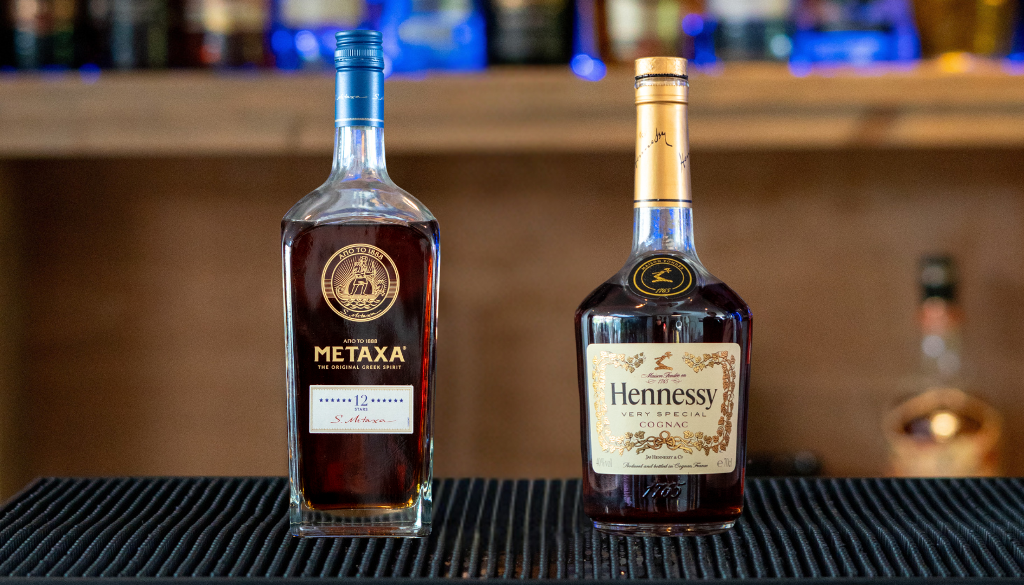
We’ll be honest, when we started planning this month’s Worthington’s Bar Pub Quiz, we realized something a little embarrassing: Britt and I know next to nothing about brandy or cognac. We’ve had both bottles sitting on our home bar shelf for ages. A bottle of Hennessy we only bought because it was on sale (and, let’s be real, it looked cool), and a bottle of Metaxa 12 Stars that Edward got as a gift. Both are still nearly full.
The only time we’ve ever used cognac was for baking. When we made Alfajores cookies using Queen Máxima’s recipe (which turned out amazing, by the way). The only brandy cocktail we’ve actually tried is a Sidecar, and we didn’t hate it. So, this month, we thought we’d take the opportunity to finally get to know these mysterious brown spirits. If you’re also a beginner, welcome — we’re learning right alongside you.
What Is Brandy, Anyway?
Let’s start simple: brandy is distilled wine. The word itself comes from the Dutch “brandewijn,” meaning “burnt wine” — not because anyone literally sets wine on fire (though that would be dramatic), but because of the heating process during distillation.
When wine or fermented fruit juice is distilled, the alcohol and flavor compounds are concentrated, creating something far stronger, smoother, and more complex. That’s brandy in a nutshell — but the story doesn’t stop there, because not all brandy begins with grapes.
Brandy Basics: More Than Just Grapes
While grape-based brandy is the most common, you’ll also find versions made from fermented fruit juice — apples, pears, cherries, plums, apricots, and even peaches. Each fruit gives the spirit its own character and sweetness.
After distillation, brandy is typically aged in oak casks, which gives it its golden hue and layers of flavor — vanilla, caramel, spice, and sometimes even a touch of smoke. The longer it rests, the smoother and richer it becomes. Some producers might even age brandy in barrels that once held sherry or wine, adding extra depth and a whisper of sweetness.
Brandy’s alcohol content usually ranges from 35% to 60%, depending on style and region. That makes it strong enough to warm you on a chilly night, but mellow enough to sip slowly.
A Spirit With Many Personalities
What makes brandy fascinating is how versatile it is. It can be sipped neat, swirled gently in a snifter after dinner, or shaken up into bright, citrusy cocktails like the Sidecar or Between the Sheets. It can be sweet and silky or bold and spicy — it really depends on where it’s from and how it’s aged.
It’s also one of those spirits that feels both old-school and elegant — something your granddad might have kept in a cut-crystal decanter, but that’s making a quiet comeback among craft cocktail lovers.
So, think of brandy as wine’s stronger, more sophisticated cousin — the one who left for France, learned how to age gracefully, and now sips cocktails in a velvet armchair, telling stories about the good old days.
Types of Brandy Around the World
Brandy isn’t just one drink — it’s a whole universe of spirits. Depending on where it’s made, what it’s made from, and how long it’s aged, brandy can taste completely different. Here’s a beginner-friendly tour of the most popular types — plus a peek at the bottles sitting on our bar shelf.
Cognac: The Star of the Show
If brandy had a celebrity cousin, it would be Cognac. This French gem can only be produced in the Cognac region of France, and it’s distilled twice in copper pot stills. After that, it’s aged in French oak barrels for at least two years — often much longer — giving it that smooth, layered complexity with hints of vanilla, dried fruit, and spice.
Think of Cognac as the Champagne of brandy: region-protected, carefully crafted, and a little indulgent. Sipping a good Cognac feels like stepping into a French café without ever leaving your living room. (Also, ours is still sitting mostly full… but it’s looking very elegant on the shelf.)
The Six Cognac Subregions (Crus)
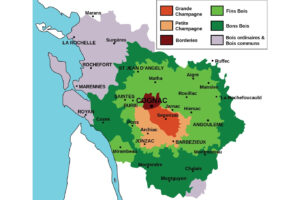
Cognac isn’t just one place — it’s made across six distinct subregions, each lending its own personality to the spirit:
-
Grande Champagne – The “king” of Cognac crus. Known for chalky soil and slow-aging spirits, it produces the most elegant, refined Cognacs, often ideal for XO or luxury bottles.
-
Petite Champagne – Similar to Grande Champagne, but slightly less delicate. Blending Grande & Petite Champagne gives the famous “Fine Champagne” designation.
-
Borderies – The smallest cru, producing Cognacs with floral aromas and a rich, round mouthfeel.
-
Fins Bois – Surrounding the central crus, Fins Bois produces softer, fruitier Cognacs that age a bit faster.
-
Bons Bois – Cognacs from this cru are robust and earthy, often blended with other regions.
-
Bois Ordinaires (or Bois à Terroirs) – Known for its bolder, rustic flavors. Often used in blends to add structure and depth.
Some well-known Cognac bottles across different price points include:
-
Affordable: Courvoisier VS, Hennessy VS (the one we have on our shelf!)
-
Mid-range: Remy Martin VSOP, Martell VSOP
-
Luxury: Hennessy XO, Louis XIII
Sipping a good Cognac feels like stepping into a French café — aromatic, warming, and a little fancy. And now, you can impress your friends by naming not just the region, but the exact cru it came from!
Armagnac: Rustic and Full-Bodied
Also from France, Armagnac comes from Gascony. Unlike Cognac, it’s distilled only once, giving it a bolder, earthier character. It’s the kind of spirit that feels like a cozy, leather-bound book: slightly rough around the edges, but packed with personality.
Bottle examples:
- Affordable: Tariquet VS, Domaine Boingnères VSOP
- Mid-range: Delord VSOP, Château de Laubade VSOP
- Luxury: Château de Laubade XO, Domaine d’Espiès XO
If Cognac is polished and refined, Armagnac is its rugged, soulful sibling — perfect for sipping slowly, preferably by a fireplace with a good story to tell.
Spanish Brandy: Sweet and Dark
Produced mainly in Jerez, Spanish brandy is richer, darker, and often aged using the solera system — the same method used for sherry. The result is a smooth, approachable brandy with caramel, dried fruit, and nutty notes.
Some notable bottles:
- Affordable: Carlos I Solera, Fundador Solera Reserva
- Mid-range: Lepanto Brandy de Jerez Gran Reserva
- Luxury: Torres 20 Gran Reserva
It’s dangerously easy to sip, and before you know it, that “just one glass” turns into a very cozy evening.
American Brandy: Light, Fruity, and Experimental
In the U.S., California is the heart of brandy production. American brandies tend to be lighter, fruitier, and less oak-heavy than European ones, which makes them very versatile for cocktails. Modern distillers are also experimenting with small-batch fruit brandies, giving classic spirits a new twist. If you’re into approachable sipping spirits or want to try a beginner-friendly brandy cocktail, this is a great place to start.
Examples:
- Affordable: Christian Brothers Brandy, Korbel California Brandy
- Mid-range: Germain-Robin, Copper & Kings American Brandy
- Luxury: St. George Spirits Brandy, Clear Creek Pear Brandy
Perfect for approachable sipping or beginner-friendly cocktails.
Greek Brandy: Metaxa
Ah yes, the infamous Metaxa. This Greek brandy is blended with wine, botanicals, and spices and aged in oak casks. It’s smooth, floral, and slightly sweet — and ours (a 12-star) still sits untouched on the bar shelf. Honestly, We’ve only taken a tiny sip just to try it, but it’s already intriguing.
Some Metaxa bottles to note:
- Affordable: Metaxa 5 Stars
- Mid-range: Metaxa 7 Stars, Metaxa 12 Stars (our shelf treasure!)
- Luxury: Metaxa Private Reserve
Metaxa is perfect for people who want something different from the usual grape brandy. It’s warm, aromatic, and a little exotic.
Fruit Brandies: Bold and Unique
Finally, we have fruit brandies like Calvados (apple brandy from Normandy) or Kirsch (cherry brandy from Germany). These aren’t always meant for sipping neat, but they shine in cocktails, desserts, and cooking. in cocktails, desserts, and cooking.
Examples:
- Calvados: Domaine Dupont VSOP (affordable), Père Magloire XO (luxury)
- Kirsch: Schladerer Kirschwasser (affordable), Morand Kirsch XO (luxury)
Think rich apple or cherry flavor, a gentle warmth, and endless creativity. For a beginner, trying fruit brandies in a cocktail is a fun way to explore the spectrum of brandy flavors without committing to a big sip of something you might find intense.
Quick Takeaway
From Cognac’s elegance to Armagnac’s rustic charm, Spanish sweetness, American lightness, Metaxa’s botanicals, and fruit brandies’ versatility, the world of brandy is surprisingly broad. Even a small home bar can have a tiny corner of this universe (like ours), and each bottle has a story, a flavor profile, and a cocktail waiting to happen.
Brandy Classifications Explained: VS, VSOP & XO
If you’ve ever picked up a bottle of Cognac or brandy, you’ve probably noticed letters like VS, VSOP, and XO on the label. Don’t worry; they’re not secret codes or cocktail passwords. These classifications simply tell you how long the spirit has been aged, which is a big deal when it comes to flavor.
VS (Very Special)
VS, short for “Very Special,” means the youngest brandy in the bottle has been aged at least 2 years in oak casks.
- Flavor Profile: Bright, lively, and bold. You can taste the fruit and oak, but it hasn’t mellowed completely.
- Best For: Mixing into cocktails where you still want the brandy to shine without being too heavy.
- Examples:
- Hennessy VS (France)
- Courvoisier VS (France)
- Christian Brothers VS (USA)
Think of VS as the “entry-level” stage: approachable, versatile, and a good way to start exploring brandy without committing to something super aged.
VSOP (Very Special Old Pale)
VSOP, or “Very Special Old Pale,” means the youngest brandy in the bottle has been aged at least 4 years. This extra time in oak softens the spirit and develops more complex flavors: caramel, vanilla, dried fruit, and sometimes a hint of spice.
- Flavor Profile: Smooth, well-rounded, and aromatic. Perfect for sipping neat or using in classic cocktails.
- Best For: Sidecars, Brandy Alexanders, or enjoying in a snifter after dinner.
- Examples:
- Remy Martin VSOP (France)
- Martell VSOP (France)
- Metaxa 12 Stars (Greece — our mostly untouched bottle!)
VSOP is like brandies’ “teenage years”, mature enough to be confident, but still playful and approachable.
XO (Extra Old)
XO, or “Extra Old,” is the luxury tier. Cognacs and brandies labeled XO are aged for at least 10 years (sometimes much longer), giving them deep, rich, and sophisticated flavors.
- Flavor Profile: Lush, complex, and incredibly smooth, with layers of oak, spice, dried fruit, and sometimes chocolate or tobacco notes.
- Best For: Sipping slowly in a snifter, celebrating special occasions, or savoring on a cozy night.
- Examples:
- Hennessy XO (France)
- Louis XIII (France — very fancy, very expensive)
- Delord XO Armagnac (France)
XO is the “grown-up, fancy cousin” of brandy: elegant, confident, and perfect for impressing friends (or just treating yourself).
Quick Tips for Beginners
- Start simple: VS and VSOP are great for experimenting with cocktails.
- Savor slowly: XO is best enjoyed neat so you can appreciate the layers of flavor.
- Don’t stress the label: Even if you don’t know the exact age, the taste is what matters most.
Understanding these classifications makes picking a bottle much less intimidating and gives you confidence to explore the world of brandy without having to know everything about barrels, distillation, or grape types (we’re still learning too!).
The History & Origins of Brandy and Cognac
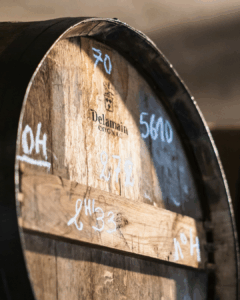
Brandy’s story is as rich and layered as the spirit itself. Its origins stretch back to the 15th century, when wine merchants and sailors faced a serious problem: how to transport wine across long sea voyages without it spoiling. Their solution? distillation.
By heating the wine, they concentrated the alcohol and flavors, creating a stronger, more shelf-stable spirit that we now know as brandy. Interestingly, when they added water back to the concentrated spirit, they noticed something magical: it tasted better than the original wine. What started as a practical preservation technique had accidentally given birth to a whole new category of drink. Sailors may have just been trying to avoid spoiled wine, but we’re the ones celebrating it centuries later.
Cognac: From Humble Beginnings to French Luxury
While brandy began as a practical invention, Cognac quickly became an art form. In the 17th century, distillers in the Charente region of France refined the process. By double distilling in copper pot stills and aging the spirit in French oak barrels, they created a drink with smooth complexity and a delicate balance of flavors.
Cognac’s evolution wasn’t just about flavor; it became a symbol of craftsmanship, heritage, and sophistication. Merchants carefully monitored aging, experimented with barrels, and ensured strict adherence to regional rules. Over time, Cognac earned its status as one of the most prestigious spirits in the world, celebrated for its elegance and depth.
Brandy Around the World: A Global Story
While Cognac took the spotlight in France, brandy was spreading across Europe and beyond. By the 18th and 19th centuries, Spanish, German, and later American distillers were crafting their own regional versions, each reflecting local fruits, climate, and distillation techniques. Spanish brandy leaned sweet and dark, Armagnac remained rustic and bold, and American brandies embraced a lighter, fruitier style.
This rich history shows that brandy isn’t just a drink; it’s a spirit with stories, shaped by centuries of experimentation, travel, and craftsmanship. Every sip carries a little bit of history, from the sailors preserving wine at sea to French artisans perfecting Cognac in oak barrels.
How to Drink Brandy & Cognac (Without Feeling Like an Impostor)
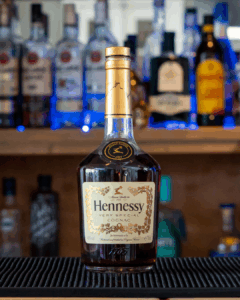
If you’ve ever watched someone swirl brandy in a balloon glass and wondered if you’re doing it all wrong, welcome to the club. Spoiler: you’re not. There’s no single “right” way to enjoy brandy or cognac, and honestly, even seasoned enthusiasts have their quirks. Here are some ways to sip like a pro without pretending you know everything:
Neat or On the Rocks
Traditionalists love brandy neat in a snifter glass, which allows the aromas to concentrate and lets you really smell the spirit before sipping. If that feels too intense, pour it over ice. The chill softens the alcohol, making it smoother and easier for beginners (like us) to appreciate. Bonus: the ice slightly opens up the flavors, revealing subtle fruit or spice notes you might otherwise miss.
With a Splash
If you’re still nervous, add a splash of water, soda, or even a bit of tonic. This opens up the spirit’s aromas and makes it approachable without diluting the experience too much. Think of it as easing yourself into the sophisticated world of brandy, one sip at a time.
In Cocktails
If sipping neat feels intimidating (or traumatic), cocktails are your friend. Brandy and cognac have rich, layered flavors that play beautifully with citrus, cream, spices, and even bubbly. They’re versatile, warming, and perfect for both Halloween parties and cozy nights in.
Brandy & Cognac Cocktails You Should Try (And We Should Too)
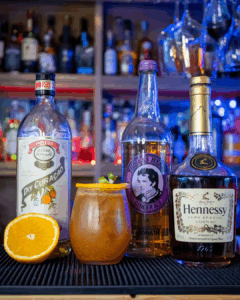
Brandy isn’t just for sipping; it’s a cocktail superstar. Some classics are familiar, while others are surprisingly fun, seasonal, or show-stopping. Here’s a tour of cocktails we love, have tried, or are itching to make:
Halloween-Friendly Cognac
- The Jack O’ Lantern – Bright orange, slightly spiced, and perfect for spooky season. We’ve used cognac here to add depth and warmth. It’s the kind of cocktail that makes you forget there’s a fancy spirit in there because it tastes like autumn in a glass.
Find the full Jack O’ Lantern recipe here.
Classic Hits
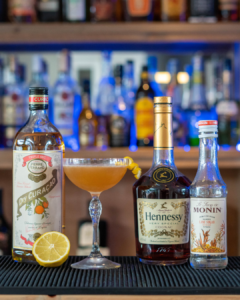
- Sidecar – Cognac, orange liqueur, lemon juice. We’ve tried this one already, and honestly, it’s balanced, citrusy, and just a touch boozy — beginner-friendly for cocktail newbies.
Read the full Sidecar recipe here.
- Brandy Alexander – Brandy, crème de cacao, cream. Think dessert in a glass; perfect for when you want a cocktail and a treat in one sip.
- Stinger – Cognac and crème de menthe. Minty, refreshing, and ideal as a digestif.
- Vieux Carré – Cognac, rye whiskey, sweet vermouth, Bénédictine. Complex, bold, and slightly mysterious. The Vieux Carré is great for cocktail adventurers.
Seasonal & Forgotten Gems
- Brandy Flip – Brandy, sugar, egg, and nutmeg. A warming, cozy drink that feels festive and indulgent. Perfect for winter nights.
- Champagne Cocktail – Brandy, sugar cube, bitters, topped with bubbly. Elegant, effervescent, and surprisingly easy to make.
- Weep No More – Brandy, coffee liqueur, cream. Smooth, comforting, and slightly decadent. It’s a drink that whispers “treat yourself.”
Beginner-Friendly Tips for Trying Brandy Cocktails
- Start with familiar flavors — citrus, cream, or chocolate-based drinks are approachable for beginners.
- Measure carefully — brandy has a strong, rich flavor, so a little goes a long way.
- Garnishes matter — cinnamon sticks, nutmeg, citrus twists, or even a fun Halloween element can elevate the cocktail experience.
- Experiment boldly — we’ve only explored the Sidecar and a Halloween cocktail so far, but the world of brandy cocktails is enormous. There’s a reason mixologists keep experimenting: the possibilities are endless.
Pairing Brandy & Cognac With Food
Brandy and cognac aren’t just for sipping; they can also elevate a meal or snack. Here are some beginner-friendly pairing ideas:
Cheese & Savory Snacks
- Aged cheddar, gouda, or blue cheese — the creamy, bold flavors contrast beautifully with brandy’s sweetness.
- Nuts and charcuterie boards — roasted almonds, walnuts, or spiced meats add texture and depth.
Desserts & Sweet Treats
- Chocolate — dark, milk, or spiced chocolate highlights brandy’s warm notes.
- Pastries — think almond croissants, scones, or even fruit tarts.
- Queen Máxima’s Alfajores — if you’re feeling fancy and nostalgic (like us).
Fun Seasonal Ideas
- Apple or pear desserts — pair with fruit brandies like Calvados for autumn vibes.
- Cinnamon-spiced desserts — perfect with Armagnac or Metaxa’s warm botanicals.
Pairing food with brandy or cognac turns sipping into a complete tasting experience, and it’s a fun way for beginners to explore flavors without committing to a big glass of neat spirit.
Fun Facts About Brandy & Cognac
Because learning is more fun with a few quirky tidbits.
Origins & Names
- Burnt Wine: Brandy comes from the Dutch brandewijn, meaning “burnt wine,” referring to the heating process during distillation — no flames required! 🔥🍷
- Cognac’s Exclusive Club: True Cognac can only come from six French subregions: Grande Champagne, Petite Champagne, Borderies, Fins Bois, Bons Bois, and Bois Ordinaires. Think of it as a VIP spirit with strict rules. 🏰
Cocktail History & Fun Stories
- Sidecar Origins: The Sidecar cocktail was reportedly invented for a man who rode to a bar in a motorcycle sidecar — a stylish entrance deserves a stylish drink! 🏍️🍸
- Brandy in Desserts: Some fruit brandies, like Calvados (apple) or Kirsch (cherry), have long been used in cooking and baking. Cognac even stars in Queen Máxima’s Alfajores cookies recipe. 🍏🍒
Famous Fans
- Napoleon’s Choice: Napoleon Bonaparte loved Cognac so much that he reportedly stocked it on ships and military campaigns — history with a side of sophistication. 🇫🇷
- Celebrity Sippers: Over the years, Cognac and brandy have been favoured by icons like Frank Sinatra, Winston Churchill, and even some modern musicians. A little old-school glamour in every glass! 🎶🥃
Aging & Labels
- XO Update: XO used to mean “aged 6 years.” As of 2018, the minimum is now 10 years — extra time in oak equals extra sophistication. ⏳🥂
- VS & VSOP Basics: VS = Very Special (youngest 2 years), VSOP = Very Special Old Pale (youngest 4 years), XO = Extra Old (10+ years). Even just knowing this helps decode Cognac labels. 🏷️
Quirky Facts & Tips
- Not Always Grapes: Brandy isn’t only grape-based — there are apple, cherry, plum, and peach brandies, each with unique flavors. 🍑
- Sipping Isn’t Strict: You don’t need a snifter or to swirl like a pro. Sometimes the best way to enjoy brandy is just to relax, sip, and enjoy. 🥃😉
- Oldest Cognac: The oldest Cognac ever sold is a bottle of 1762 Gautier Cognac, which went for over $146,000 (€135,000) at a Sotheby’s auction in 2020. This bottle holds the Guinness World Record for the oldest Cognac sold at auction. 🥃💰
Unusual Cocktails: From the Champagne Cocktail (brandy + sugar cube + bubbly) to the Weep No More (brandy, coffee liqueur, cream), there are tons of forgotten gems waiting to be rediscovered. 🍹
🍸 The Worthington’s Bar Monthly Pub Quiz: Brandy & Cognac Classics Edition!
Now that we’ve covered the basics (and learned a ton ourselves), it’s time to put your knowledge to the test with our November Pub Quiz!
It’s all about the classics — from Sidecars to Stingers — and even if you’re a total beginner like us, you might surprise yourself.
🌟 How It Works:
- 10 multiple-choice questions
- Answers (and fun facts) at the end — no peeking!
- Grab your favorite drink, call your friends, and play along!
👉 Take the quiz here — Brandy & Cognac Classics Edition!
Explore More Brandy & Cognac Inspiration at Worthington’s Bar
Now that you’ve gotten a beginner-friendly tour of brandy and cognac, why stop here? There’s so much more to explore — and we’ve got plenty of recipes and cocktail inspiration to keep your home bar adventurous.
- Try a Halloween Favorite: Check out our Jack O’ Lantern Cocktail for a spooky, cognac-infused autumn treat.
- Master a Classic: Our Sidecar Cocktail blog dives into one of the most approachable and delicious cognac drinks for beginners.
- Get Inspired: Explore our Cocktail Recipes page for more ways to enjoy brandy and cognac in seasonal sips, dessert cocktails, and classic favorites.
Whether you’re mixing your first Sidecar, experimenting with a Brandy Alexander, or just curious about Metaxa, we’re learning alongside you. Bookmark these pages, try a new cocktail, and share your experiences with friends. The world of brandy and cognac is waiting, and there’s always something new to discover.
What’s Next at Worthington’s Bar
We’ll be sipping (and studying) our way through more spirits soon — from rum and gin to winter warmers and holiday favorites. Until then, our Hennessy will continue to look cool on the shelf, and our Metaxa will stay exactly where it is… for now.
Next month’s theme? Holiday & Winter Cocktails — so get ready for something cozy, spicy, and festive.
Final Thoughts: Brandy & Cognac Are Fun, Not Intimidating
Whether you’re sipping neat, experimenting with cocktails, or just staring at a fancy bottle on your shelf (like our Hennessy or Metaxa), brandy and cognac don’t have to be scary. Britt and I are still beginners, and that’s part of the fun — discovering flavors, trying new cocktails, and laughing at our own guesses along the way.
Start simple, explore classic cocktails, and don’t stress about “doing it right.” Every bottle has a story, a flavor, and a little bit of adventure. Brandy and cognac are warming, versatile, and perfect for cozy nights, Halloween experiments, or impressing friends with a sophisticated sip.
Remember: the goal isn’t perfection, it’s enjoyment. And if you learn something new while having fun, you’re already winning.
Cheers to learning together!
Brandy & Cognac FAQ: Beginner Questions Answered
Q: What’s the difference between brandy and cognac?
A: Cognac is a type of brandy, but it has strict rules: it must come from the Cognac region in France, be double-distilled in copper pot stills, and aged in French oak barrels. All cognac is brandy, but not all brandy is cognac.
Q: Can I mix cognac or brandy in cocktails?
A: Absolutely! Brandy and cognac are incredibly versatile. Try classics like the Sidecar, Brandy Alexander, Stinger, or Jack O’ Lantern for a seasonal twist. Even a splash in a Champagne cocktail or dessert recipe can elevate the flavor.
Q: Is brandy strong?
A: Yes — it typically ranges from 35% to 60% ABV. But don’t worry, you don’t have to drink it neat. On the rocks, in cocktails, or with a splash of soda or water, it’s approachable for beginners.
Q: How do I know if I’ll like brandy or cognac?
A: Start with VS or VSOP for approachable flavors, try it in cocktails, and taste slowly. Remember, even seasoned brandy lovers explore different types — it’s all about finding your own favorite sip.
Q: Are there other types of brandy besides Cognac?
A: Yes! From Armagnac (rustic French brandy) to Spanish, American, Greek (Metaxa), and fruit brandies like Calvados or Kirsch, there’s a whole world to explore. Each has its own flavor, aging process, and cocktail potential.


The Sidecar Copy - Worthington's Bar
November 17, 2025 @ 15:56
[…] Before you dive into the recipe, it’s worth taking a look at the spirit that makes the Sidecar shine: cognac (or brandy). If you want a quick refresher on the difference, check out our Beginner’s Guide to Brandy and Cognac. […]
The Sidecar - Worthington's Bar
November 21, 2025 @ 08:02
[…] Before you dive into the recipe, it’s worth taking a look at the spirit that makes the Sidecar shine: cognac (or brandy). If you want a quick refresher on the difference, check out our Beginner’s Guide to Brandy and Cognac. […]
🍸 Worthington’s Bar Monthly Pub Quiz: Brandy & Cognac Classics Edition! 🍸 Copy - Worthington's Bar
November 26, 2025 @ 15:39
[…] of these sophisticated sips. If you’re new to brandy or Cognac (like we were!), check out our Beginner’s Guide to Brandy & Cognac for a full intro before diving […]
Eggnog - Worthington's Bar
December 2, 2025 @ 16:07
[…] and cognac, including how to choose the right one for your eggnog or other cocktails? Check out our Beginner’s Guide to Brandy and Cognac for tips, tasting notes, and expert […]
Eggnog Copy - Worthington's Bar
December 3, 2025 @ 09:53
[…] and cognac, including how to choose the right one for your eggnog or other cocktails? Check out our Beginner’s Guide to Brandy and Cognac for tips, tasting notes, and expert […]
The Between The Sheets - Worthington's Bar
February 11, 2026 @ 12:25
[…] 👉 A Beginner’s Guide to Brandy and Cognac […]