
Bartender Myths: What Movies Get Wrong About Cocktails – Part 1
Part 1 – Shaken, Not Stirred… and Other Cocktail Science Myths
Hollywood loves a good cocktail moment. A suave secret agent orders his Martini “shaken, not stirred.” A bartender dramatically stirs a drink while delivering life-changing wisdom. A flaming shot gets lit with a single flick of a match, no safety precautions needed. It’s all cinematic gold, but yeah… a lot of it is nonsense.
In this first series of Bartender Myths, we’re tackling the biggest lies Hollywood tells about cocktail science. Because as much as we love a good movie moment, some of these myths would make any real bartender roll their eyes (or cry into their jigger).
🍸 1. Martini: “Shaken, Not Stirred” — Does Shaking Really “Bruise” the Gin?
Ah yes, the James Bond Martini. The most famous drink order in cinematic history — and one that would probably make a seasoned bartender sigh. Bond insists on his Martini being shaken, not stirred. But why?
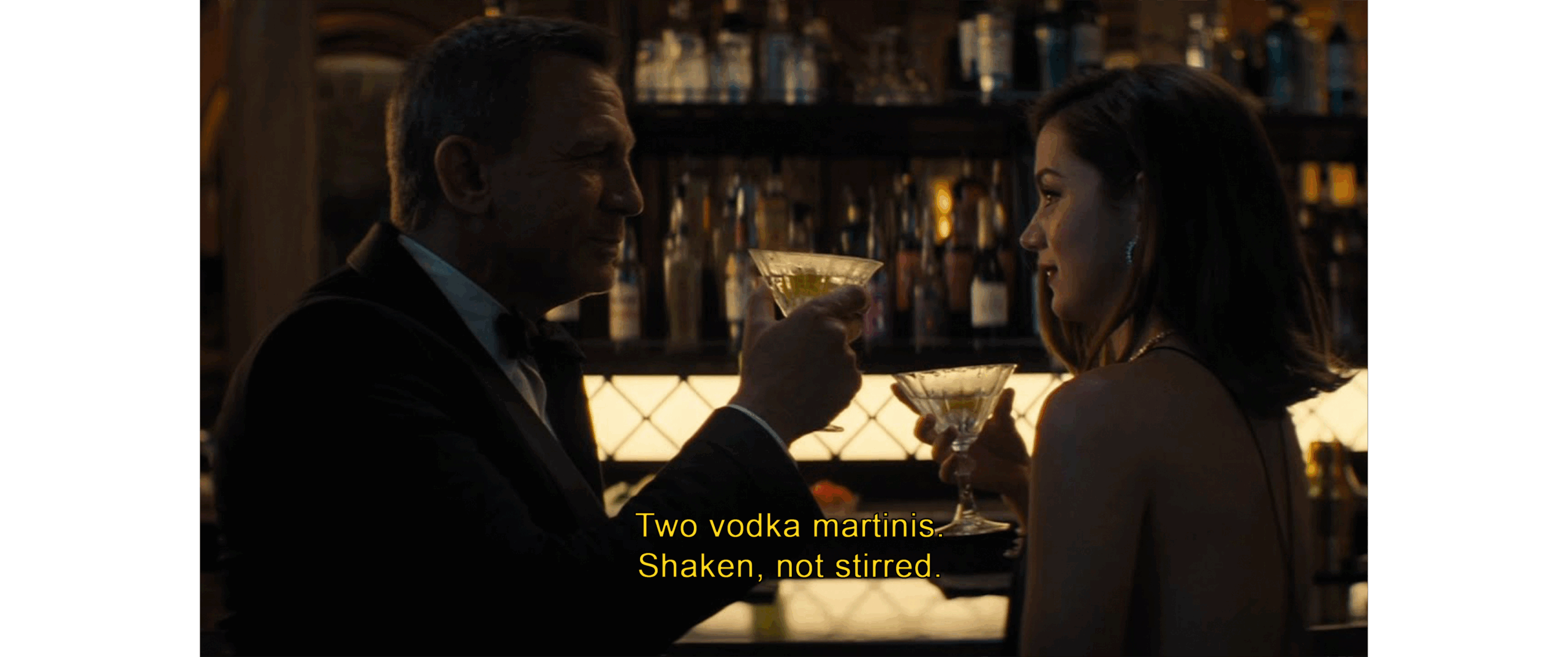
First, let’s clear up the misconception: shaking doesn’t “bruise” gin. That’s not a thing. At all. The idea suggests that shaking somehow damages gin’s delicate botanicals, but there’s no science to back it up.
What shaking does do: aerate the drink, chill it faster, and dilute it more. This creates a colder, slightly cloudy Martini with a different texture. Stirring, on the other hand, keeps the drink silkier and less diluted.
So, if Bond actually knew his cocktails, he’d probably be ordering his Martini stirred. But hey, he’s saving the world — so we’ll let him get away with it.
🧊 2. Shake vs. Stir — Does It Even Matter?
Back to the age-old question: shaking or stirring. Hollywood loves a dramatic shake. Someone orders an Old Fashioned? The bartender goes full workout mode. A Negroni? Shake, shake, shake! And we get it… a good shake does look hot on screen. 😉
But here’s the reality: not every cocktail is meant to be shaken.
Shake drinks with citrus, egg white, or cream (Margarita, Whiskey Sour, Espresso Martini). The shake blends the ingredients and adds texture.
Stir spirit-forward drinks (Manhattan, Old Fashioned, Negroni). Stirring keeps them cold, smooth, and crystal clear.
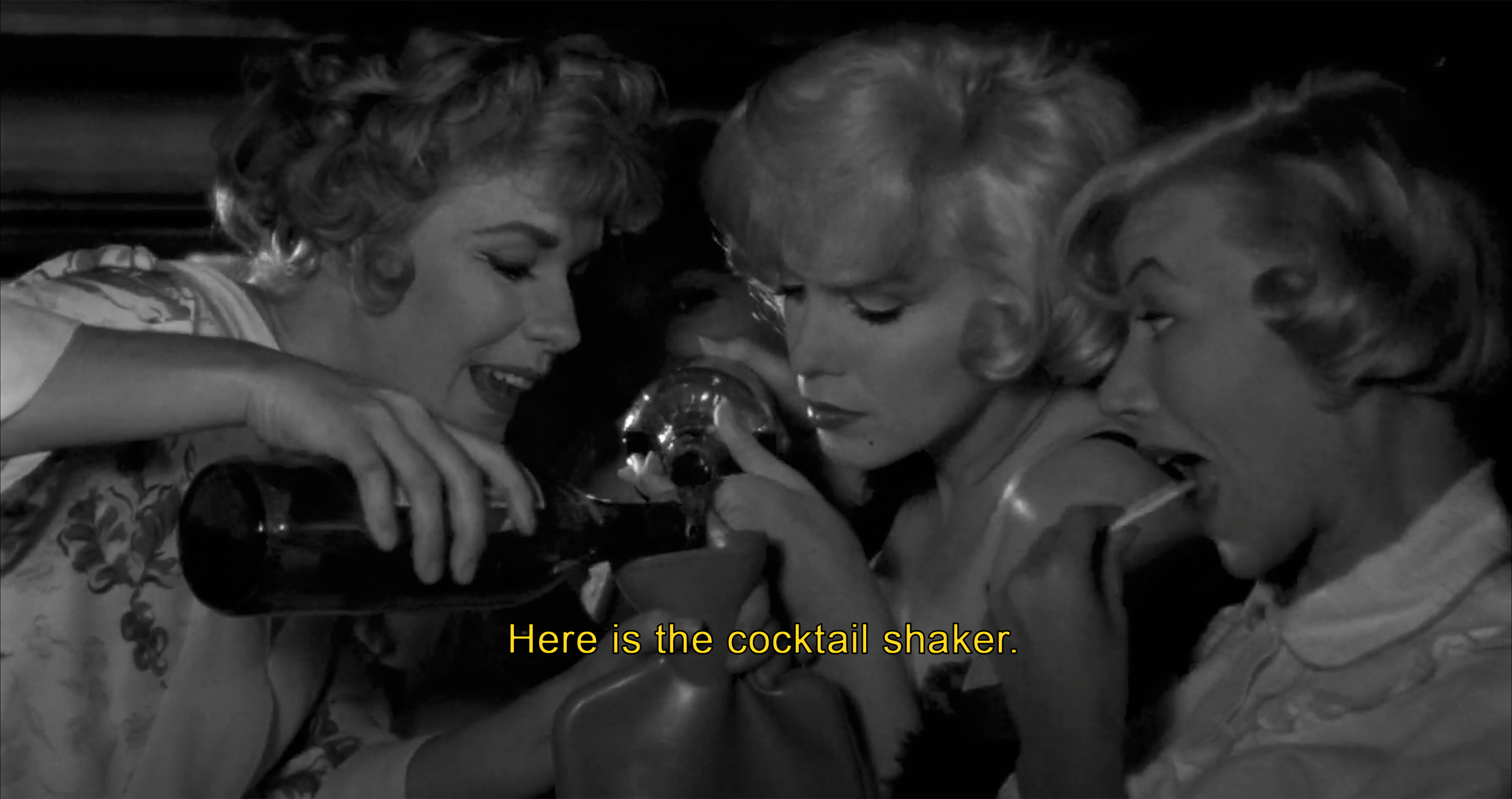
Take Some Like It Hot (1959). Marilyn Monroe, in all her charm, mixes Manhattans for her bandmates in a cramped train car. She pulls out a hot-water bottle, pours in the booze, and shakes away. Clever? Absolutely. But a Manhattan should always be stirred, not shaken. Otherwise, you lose that silk-smooth texture.
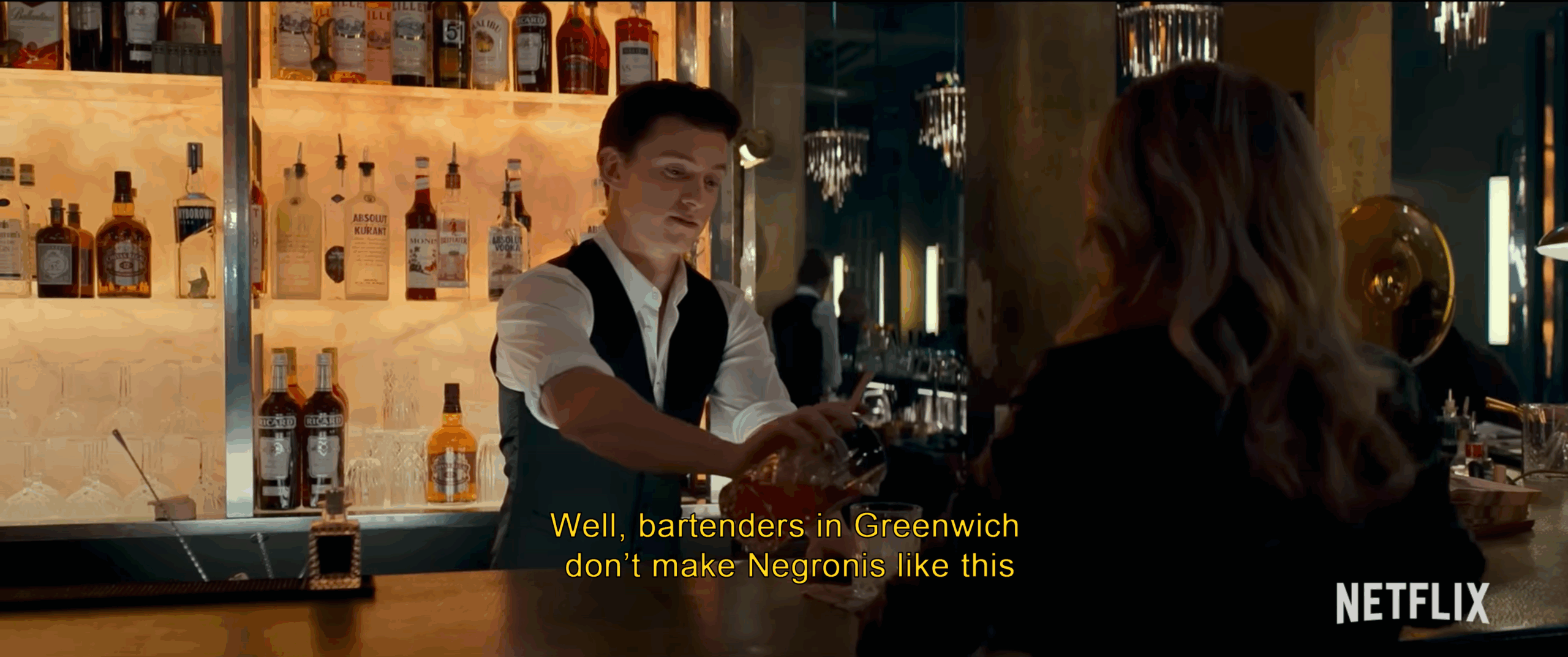
On the other side, Uncharted (2022) actually gets it right. Tom Holland (aka Peter Parker) plays Nathan Drake and makes a Negroni behind the bar. He doesn’t shake it. He doesn’t fumble it. He just gives it the calm, proper stir it deserves — and still looks cool doing it. Proof that bartender swagger doesn’t require a dramatic shaker routine.
So yes, shaking and stirring both matter. Shake when there’s citrus, cream, or egg white. Stir when it’s booze-forward. Otherwise, you’re just making a Marilyn-style Manhattan in a hot-water bottle.
🔥 3. Lighting Drinks on Fire — Do Flaming Cocktails Really Work Like That?
On screen, it looks effortless. A bartender flicks a match, and suddenly a cocktail is blazing with a beautiful blue flame. But here’s what Hollywood doesn’t tell you:
➡️ Alcohol doesn’t just catch fire. Regular liquor won’t ignite unless it’s over 50% ABV (100 proof). Your average vodka or rum? Not flammable enough.
➡️ It’s a safety nightmare. Open flames + loose sleeves + hair flying around? Disaster. And yes, glasses can literally crack from heat. Fire behind the bar is dangerous (ugh.. maybe our parents were right).
➡️ Most flaming drinks don’t even taste good. That pretty flame? It’s probably burning off the flavor.
Think Coyote Ugly (2000): bartenders dancing on the bar, pouring flammable liquid, tossing a match on top of a wooden counter — while wearing flared jeans and tossing their hair around. Spectacular to watch, but in reality? That’s just accidents waiting to happen.

Or The Simpsons’ legendary “Flaming Moe’s” (1991), where Moe lights up a whole row of drinks with a torch. Iconic TV, sure — but also a fire departments’ nightmare.
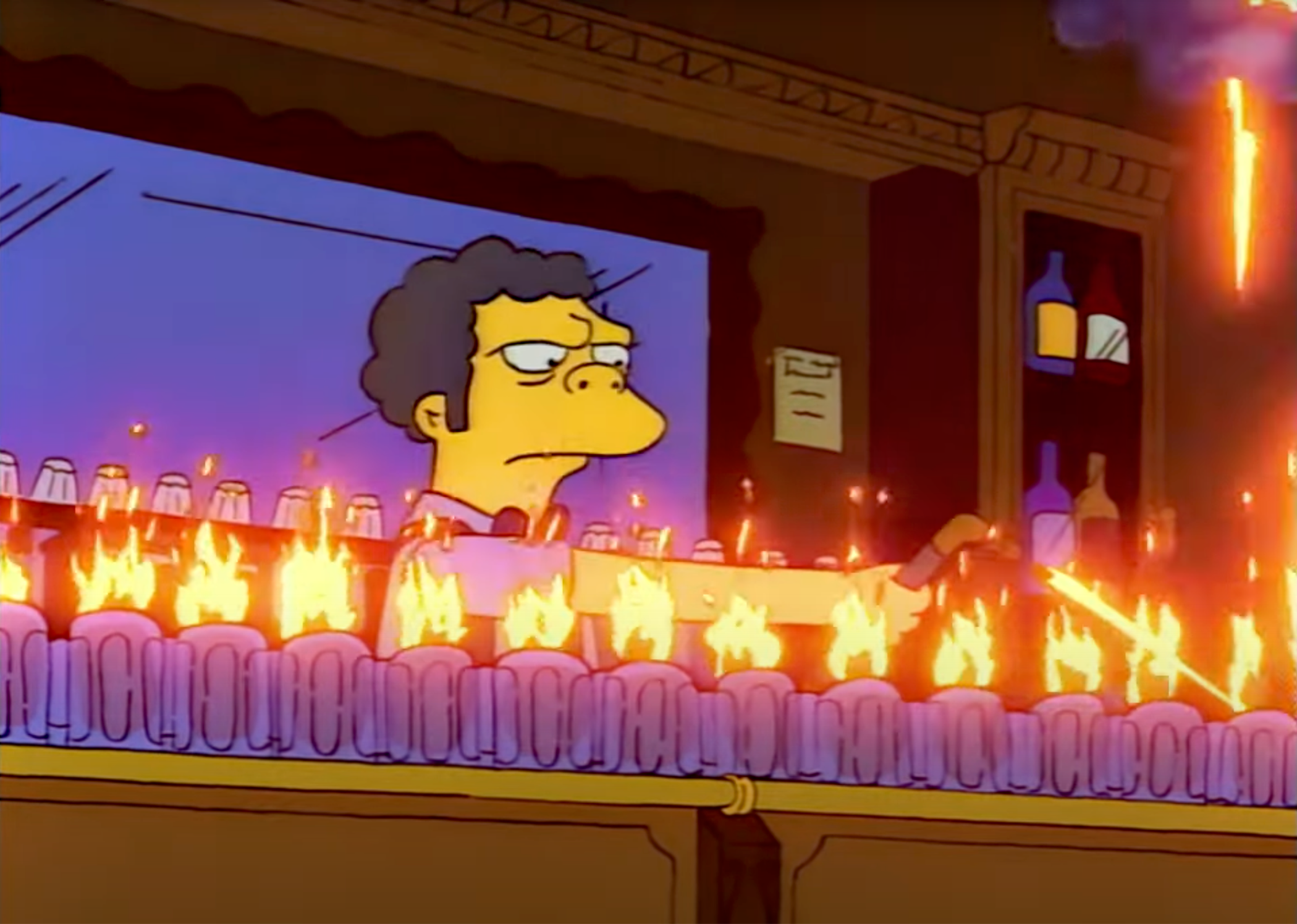
After all this, you’d think we didn’t try lighting up our drinks. Wrong! Of course we did. But we were smart enough to only light the garnish on our Mai Tai, not the whole drink.
🥃 4. Is Layering Shots as Easy as It Looks?
You’ve seen it — a bartender casually pours a perfectly layered shot in seconds, no bar spoon, no slow pour, just movie magic. Reality check: it’s not that simple.
If you paid attention in your high-school class, you should know how it works. Layered shots rely on the density of the liquor, meaning the heavier ingredients sink while the lighter ones float. But that’s not all, to get that perfect layered look, you need:
✅ A steady hand
✅ A bar spoon or very slow pour
✅ Knowledge of which spirits are heavier
Without that, you’re just dumping booze and praying.
Dumping the booze is exactly what Jeff Bridges’ character “Dude” in The Big Lebowksi (1998) is doing with his many White Russians. For a brief moment, the drink is layered, but because of his lack of skill or intentions it all mixes to the well-known white color of his White Russians.
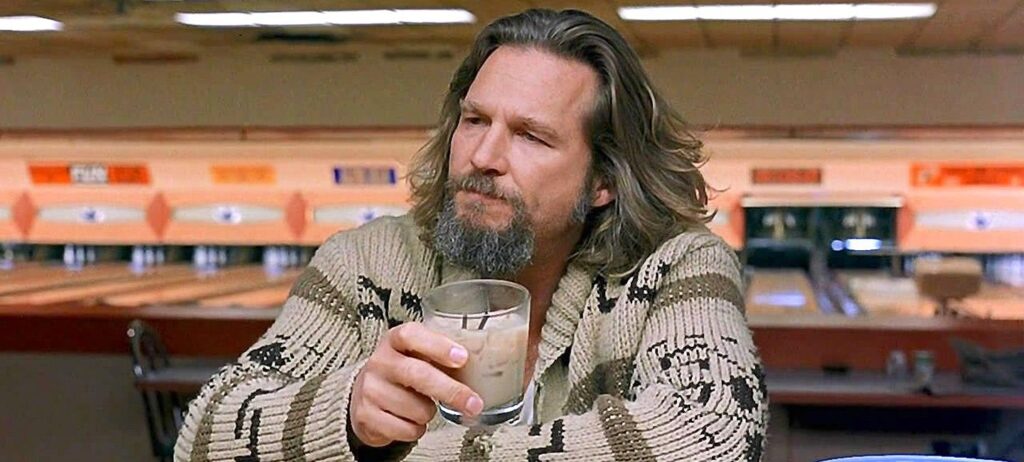
So no, layering isn’t as easy as it looks. But when it’s done right? It’s one of the prettiest tricks in the cocktail playbook.
🤫 5. The Myth of the “Secret Ingredient”
And then there’s the oldest trope in the book: the wise bartender with the mysterious “secret ingredient.” One wink, one splash of something unknown, and suddenly — life-changing cocktail.
The best parody of this? The Simpsons’ “Flaming Moe’s.” Moe’s secret ingredient is… cough syrup. Not exactly a recipe for greatness, but it plays into the idea that a drink isn’t special unless it hides a little mystery.
In truth, there’s no ancient, magical ingredient that transforms a cocktail. Great drinks come from balance, fresh ingredients, and solid technique. Sure, bartenders have tricks — a drop of saline, a house-made syrup, a signature garnish. But “secret ingredients” as the magic key? Pure Hollywood nonsense.
🎬 Final Verdict: Hollywood vs. Real Bartending
Hollywood myths
- Everything gets shaken.
- Fire = flavor.
- There’s always a magic ingredient.
Reality
- Shake or stir with intention.
- Fire is a safety stunt, not a flavor builder.
- Balance > mystery.
So, next time you see a bartender in a movie whip up a flawless drink, look twice — chances are, they’re doing it wrong.
What’s your favorite ridiculous bar scene? Drop it in the comments and we’ll fact-check it in Part 2: Bar Fight! Myths About Drunk People, Fights, and Over-the-Top Drama. 🍻
P.S. We’re lining up a movie marathon with Bond, Some Like It Hot, Uncharted, The Big Lebowski, and Coyote Ugly. Who’s watching with us?

The Difference Between Shaking and Stirring (and When to Do What) - Worthington's Bar
November 15, 2025 @ 08:02
[…] Hollywood got wrong about James Bond’s famous ‘shaken, not stirred’ line, check out our blog Bartender Myths: What Movies Get Wrong About Cocktails. Spoiler: Bond was stylish, but not always technically […]
The Difference Between Shaking and Stirring (and When to Do What) Copy - Worthington's Bar
November 26, 2025 @ 13:13
[…] Hollywood got wrong about James Bond’s famous ‘shaken, not stirred’ line, check out our blog Bartender Myths: What Movies Get Wrong About Cocktails. Spoiler: Bond was stylish, but not always technically […]