Dilution in Cocktails: Why Ice and Water Make or Break a Drink
Dilution in Cocktails: Why Ice and Water Make or Break a Drink
When people talk about “watering down” a cocktail, it’s usually said like a bad thing.
But here’s the truth:
Every great cocktail is diluted on purpose.
Dilution isn’t a mistake, it’s a technique. One of the most important ones you’ll ever learn behind a home bar.
Whether you’re shaking a Daiquiri (our go-to example of citrus-driven balance), stirring a Negroni with its bittersweet complexity, or building a deceptively simple Vodka Soda, water is shaping the final drink more than you think. Each of these cocktails relies on dilution in a completely different way, and that’s exactly why understanding it matters.
Get it right, and the cocktail sings. Get it wrong, and even the best spirits can taste harsh, flat, or unbalanced.
Let’s break down what cocktail dilution actually is, and why ice and water can make or break a drink.
What Is Dilution in Cocktails?
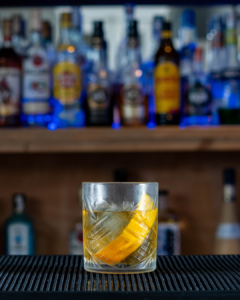
In simple terms, dilution is the water added to a cocktail as ice melts during shaking or stirring.
That water:
- Lowers alcohol burn
- Softens sharp edges
- Helps flavors blend
- Unlocks aromas
- Improves mouthfeel
By the time a well-made cocktail reaches your glass, it usually contains 20–30% water. And yes, that’s intentional.
Without dilution, cocktails are often:
- Too strong
- Too sharp
- Too aggressive
- Or just unpleasant to drink
Water doesn’t weaken a cocktail.
It completes it.
Why Dilution Matters More Than You Think
Alcohol is a powerful flavor carrier, but it’s also loud.
Dilution turns raw alcohol into something:
- Smoother
- More expressive
- More balanced
It allows:
- Citrus to feel bright instead of sour
- Sugar to feel rounded instead of sticky
- Bitterness to feel intentional instead of harsh
A Negroni without proper dilution tastes sharp and overpowering.
An Old Fashioned without water tastes like whiskey with a grudge.
Dilution is the difference between “strong” and “well-made.”
Ice Is Not Just Ice: How It Controls Dilution
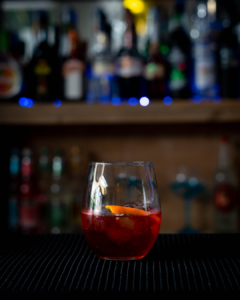
Ice is water, but how it melts determines how water enters the drink.
Big Ice Cubes: Slow & Controlled Dilution
Large cubes melt slowly, meaning:
- Less water over time
- More control
- A longer-lasting, balanced drink
Perfect for spirit-forward cocktails like:
- Negroni – where slow dilution softens bitterness and opens up the gin’s botanicals
- Old Fashioned – where water rounds out sugar and tames high-proof whiskey
- Boulevardier – a richer, whiskey-led Negroni that needs controlled dilution
- Classic Martini – where clarity, texture, and restraint are everything
These drinks don’t hide behind juice or soda. Ice and water are what make them elegant instead of aggressive.
Small Ice or Crushed Ice: Fast & Expressive Dilution
Smaller ice melts quickly, which:
- Chills the drink rapidly
- Adds more water
- Creates a lighter, more refreshing profile
Great for:
- Mojito – where crushed ice keeps mint and lime lively and refreshing
- Caipirinha – allowing lime oils and sugar to fully integrate
- Jungle Bird – balancing bitter Campari with tropical sweetness
- Tiki-style cocktails – where dilution is part of the experience, not a flaw
Fast dilution here isn’t a mistake, it’s the reason these drinks feel playful, juicy, and endlessly drinkable.
Shaking vs Stirring: How Dilution Enters the Drink
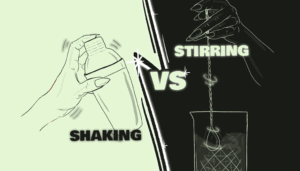
This is where dilution, texture, and technique collide.
Shaking Cocktails
Shaking:
- Adds more dilution
- Introduces air
- Creates texture and lightness
Best for:
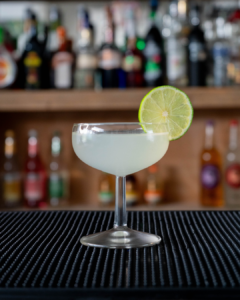
- Citrus-heavy drinks
- Creamy cocktails
- Anything that needs full integration
Think:
- Daiquiri – where shaking integrates citrus, sugar, and rum into one bright whole
- Margarita – balancing acidity, sweetness, and tequila heat
- Espresso Martini – where aeration creates that iconic foam
- Pornstar Martini – where all of the above come together
These drinks don’t just need chilling, they need movement, air, and dilution to become complete.
Stirring Cocktails
Stirring:
- Adds controlled dilution
- Keeps the drink clear
- Maintains a silky mouthfeel
Ideal for:
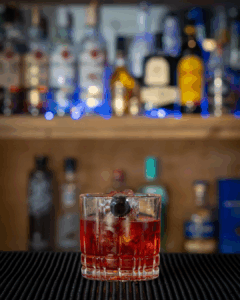
- Martini – preserving clarity and a silky mouthfeel
- Negroni – allowing bitterness to soften without losing structure
- Manhattan – balancing whiskey, vermouth, and bitters
- Boulevardier – keeping richness intact while smoothing the edges
Stirring is about intention. These cocktails reward patience.
Too Much vs Too Little Dilution
Under-Diluted Cocktails
Taste like:
- Hot alcohol
- Sharp edges
- Flavors fighting each other
Common cause:
- Rushing the stir
- Shaking too briefly
- Fear of “watering it down”
An under-diluted Negroni tastes sharp and confrontational. An under-diluted Old Fashioned feels like whiskey shouting instead of speaking.
Over-Diluted Cocktails
Taste like:
- Flat flavors
- Muted aromatics
- Lost structure
Common cause:
- Shaking too long
- Melty ice
- Warm glassware
An under-diluted Negroni tastes sharp and confrontational. An under-diluted Old Fashioned feels like whiskey shouting instead of speaking.
Great cocktails live in the middle.
Cold, balanced, expressive, not drowned, not aggressive.
Common Dilution Mistakes Home Bartenders Make
Even experienced cocktail lovers slip up here:
❌ Shaking “until tired”
❌ Under-diluting because stronger feels better
❌ Using old freezer ice that smells like leftovers
❌ Warm glassware melting ice instantly
❌ Letting cocktails sit too long before serving
Cocktails don’t need more alcohol.
They need better balance.
How to Start Mastering Dilution at Home
You don’t need lab equipment, just awareness.
Try this:
- Taste a cocktail before and after proper stirring
- Compare a Negroni built with fresh ice vs melty ice
- Notice how aromas change as the drink opens up
Once you feel dilution, you’ll never unfeel it.
Try this with cocktails you already know:
- Make two Negronis: one rushed, one patiently stirred
- Shake a Daiquiri properly, then under-shake one and compare
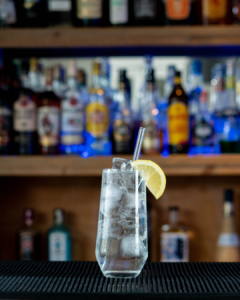
- Build a Vodka Soda with fresh ice vs freezer ice
The differences are subtle, until they’re not.
The Mini Science of Cocktail Dilution (For Nerds, Obviously 🤓🧊)
Let’s get a little geeky, because cocktail magic is really just delicious physics.
Temperature: Cold Changes Everything
Alcohol behaves very differently at different temperatures.
At room temperature:
- Alcohol vapors are aggressive
- Aromas feel sharp
- Flavors clash instead of blend
When you chill a cocktail:
- Alcohol volatility drops
- Aromas become smoother
- Flavors feel more integrated
This is why cold drinks taste “rounder” and more balanced, even before dilution enters the picture.
Ice Melting Is Not Random (It’s Physics Doing Its Thing)
Ice melts because it absorbs heat from the liquid around it. That process is called heat exchange, and it’s happening constantly while you shake or stir.
Important nerd facts:
- Colder liquids melt ice more slowly
- Warmer liquids melt ice faster
- Bigger ice cubes have less surface area → slower melting
- Cracked or crushed ice melts faster due to more exposed surface
That’s why ice choice directly controls dilution speed.
Why Shaking Dilutes More Than Stirring
This one’s huge.
Shaking:
- Increases surface contact between ice and liquid
- Traps air bubbles
- Breaks ice slightly
- Raises melting rate
Result: faster chilling + more dilution + aeration
Stirring:
- Moves liquid gently around ice
- Keeps ice intact
- Slows heat exchange
Result: precise, controlled dilution with a silky texture
Neither is better, they just serve different cocktail structures.
The Sweet Spot: Why 20–30% Water Is Ideal
Here’s where it gets spicy (scientifically).
Studies and bar testing show that most cocktails taste best when diluted to about 20–30% water because:
- Alcohol burn softens
- Sugar doesn’t feel sticky
- Bitterness becomes intentional
- Aromas open up
Below that range = harsh
Above that range = flat
That narrow window is why timing matters so much behind the bar.
Air Matters Too (Yes, Really)
When you shake a cocktail, you’re not just adding water, you’re adding air.
Air:
- Lightens texture
- Helps emulsify citrus and dairy
- Creates foam in drinks with egg white or cream
That’s why shaken drinks often feel brighter and more expressive, while stirred drinks feel calm and composed.
Why Warm Glassware Ruins Everything
If your glass isn’t chilled:
- Ice melts faster on contact
- Dilution spikes instantly
- The drink warms before it’s finished
That’s not romance, that’s thermodynamics ruining your cocktail.
Chilling glassware slows heat transfer and preserves balance longer.
The Big Nerd Takeaway
Cocktail dilution isn’t guesswork. It’s:
- Temperature control
- Surface area management
- Timing
- Intentional water addition
When bartenders talk about “feel,” they’re really talking about physics they’ve learned to sense.
In Other Words…
You’re not watering down your drink.
You’re engineering it. 🧪🍸
Final Thought
Dilution isn’t a flaw.
It’s the finishing touch.
Ice and water aren’t just there to chill your drink, they shape flavor, texture, and balance in ways no spirit can do alone.
Master dilution, and suddenly:
- Your classics taste cleaner
- Your drinks feel smoother
- Your cocktails feel intentional
Ice matters.
Water matters.
And once you understand dilution, every cocktail gets better.
This article is part of our Water in Cocktails series, where we explore how water, ice, dilution, and technique shape every drink, from classics to modern favorites.
Cocktail Dilution FAQ: Everything You Need to Know About Ice & Water
What is dilution in cocktails?
Dilution in cocktails refers to the water that is added to a drink when ice melts during shaking or stirring. This water is essential for balancing alcohol, smoothing harsh flavors, and allowing aromas to open up. Most properly made cocktails contain 20–30% water by the time they’re served.
Why is dilution important in cocktails?
Dilution is important because alcohol on its own is intense and overpowering. Water:
- Softens alcohol burn
- Helps flavors blend
- Improves mouthfeel
- Enhances aroma
Without dilution, cocktails often taste sharp, hot, and unbalanced, even when made with high-quality spirits.
Does dilution make a cocktail weaker?
Technically, yes, but in the best possible way.
Dilution lowers the alcohol concentration, but it actually improves flavor perception. A well-diluted cocktail tastes smoother, more complex, and more enjoyable than an undiluted one. Stronger does not mean better; balanced does.
How much dilution should a cocktail have?
Most classic cocktails are designed to contain about 20–30% water after mixing.
- Spirit-forward stirred drinks (like a Negroni or Martini) sit closer to 20%
- Shaken citrus or creamy drinks often reach closer to 30%
This range allows flavors to open up without becoming flat or watery.
Why do some cocktails need more dilution than others?
It depends on the structure of the drink.
Cocktails with:
- Citrus
- Sugar
- Cream or egg white
require more dilution to integrate ingredients and soften acidity.
Spirit-forward cocktails rely on precise, controlled dilution to smooth alcohol without losing structure.
Why are some cocktails shaken and others stirred?
Shaking and stirring affect how dilution enters the drink.
Shaking:
- Adds more water
- Introduces air
- Creates texture
Best for citrus-heavy or creamy cocktails.
Stirring:
- Adds water slowly
- Keeps the drink clear
- Preserves a silky texture
Ideal for spirit-forward cocktails.
For a deeper breakdown with examples, visuals, and technique tips, check out our full guide:
👉 The Difference Between Shaking and Stirring (and When to Do What)
Does ice type affect dilution?
Absolutely.
Ice size, shape, and quality directly affect how quickly water melts into a drink.
- Large ice cubes melt slowly → controlled dilution
- Small or crushed ice melts quickly → faster dilution
- Old freezer ice can add off-flavors
Fresh, clean ice is just as important as fresh citrus or good spirits.
Can you over-dilute a cocktail?
Yes.
Over-dilution happens when:
- Ice melts too much
- Cocktails sit too long before serving
- Shaking or stirring goes on too long
The result is a flat, lifeless drink with muted flavors. Timing and temperature control are key.
Can a cocktail be under-diluted?
Definitely, and it’s one of the most common home bartending mistakes.
Under-diluted cocktails taste:
- Harsh
- Hot
- Disconnected
This often happens when people rush the process or avoid dilution out of fear of “watering it down.”
Why do professional bartenders care so much about dilution?
Because dilution controls:
- Balance
- Texture
- Temperature
- Drinkability
Professionals know that a cocktail isn’t finished until it’s properly diluted. Ice and water are treated as ingredients, not afterthoughts.
Does dilution affect aroma?
Yes, significantly.
Dilution lowers the alcohol’s volatility, allowing subtler aromas to rise. Botanicals in gin, oak in whiskey, and citrus oils become more noticeable once the alcohol burn is softened.
Should you dilute a cocktail before serving?
Dilution should happen during mixing, not after.
Adding water directly to a finished cocktail rarely gives the same integrated result as proper shaking or stirring with ice.
Is dilution different for mocktails?
Yes, but it’s still important.
Even alcohol-free drinks rely on dilution for balance, texture, and refreshment, especially in citrus-based or sparkling mocktails.
How can I practice better dilution at home?
Start paying attention:
- Use fresh, solid ice
- Chill your glassware
- Taste your drinks as they open up
- Compare shaken vs stirred versions
Once you notice dilution, you’ll never overlook it again.
Is dilution really that important?
Short answer: yes.
Long answer: It’s one of the most important skills in cocktail making.
Master dilution, and everything else, spirits, ratios, garnishes, suddenly works better.