
Why Water Is the Most Important Ingredient in Cocktails
Why Water Is the Most Important Ingredient in Cocktails
When people think about cocktails, they think about spirits, syrups, bitters, and beautiful garnishes.
Water rarely gets an invitation to the conversation.
But here’s the truth every good bartender knows:
Water is already in every cocktail — and it’s often the most important ingredient of all.
Whether it comes from ice, dilution, soda water, or the spirit itself, water plays a crucial role in how a drink tastes, feels, and finishes. Get it wrong, and even the best ingredients won’t save the cocktail. Get it right, and suddenly everything clicks.
After a quiet January (and a certain very clear cocktail 👀), we’re diving into the fundamentals, starting with the ingredient that holds it all together.
Water: The Invisible Ingredient in Every Cocktail
You won’t usually see water listed on a cocktail menu — but make no mistake, it’s always there.
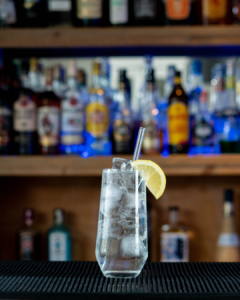
In fact, water is present in every single cocktail you’ve ever enjoyed, whether it’s a classic Negroni, a refreshing Vodka Soda, or a silky stirred Martini. It just shows up in quieter, more subtle ways: through ice, dilution, soda water, or even the spirits themselves.
Water affects every major aspect of a cocktail’s drinking experience, including:
- Flavor balance – how sweet, bitter, sour, or strong a drink tastes
- Alcohol perception – whether a cocktail feels smooth or aggressively boozy
- Mouthfeel and texture – thin and sharp vs rounded and silky
- Aroma and finish – how flavors open up and linger after each sip
Most people are surprised to learn that well-made cocktails typically contain 20–30% water by the time they reach your glass. That water isn’t accidental; it’s essential.
It’s what transforms:
- Raw alcohol into something approachable
- Strong spirits into layered, complex drinks
- Individual ingredients into a cohesive whole
Without proper water, cocktails tend to fall apart quickly.
They become:
- Too sharp
- Too hot
- Too intense
- Or simply unpleasant to drink
This is why a poorly diluted Negroni can feel bitter and aggressive, while a properly diluted one tastes smooth, balanced, and endlessly sippable. It’s also why a Vodka Soda made with bad ice or flat sparkling water tastes dull, even though it only has two ingredients.
Water doesn’t dilute a cocktail’s quality; it reveals it.
When used correctly, water allows every other ingredient to shine.
Dilution: The Secret Behind a Well-Balanced Cocktail
Dilution is one of the most misunderstood and most important principles in cocktail making.
At home, many people assume:
“Less dilution = stronger = better”
In reality, the opposite is often true.
When you stir or shake a cocktail with ice, two critical things happen at the same time:
- The drink becomes properly chilled
- Ice melts, adding controlled amounts of water
That melting ice is not a flaw; it’s the goal.
Proper dilution:
- Softens the burn of alcohol
- Opens up aromas that are muted at room temperature
- Helps flavors blend instead of competing with one another
This is especially important in classic cocktails.
Why Dilution Matters in Classic Drinks
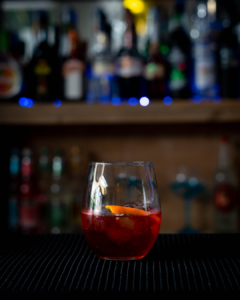
Take a Negroni, for example.
Without enough dilution, the bitterness from Campari and the alcohol from gin hit too hard, too fast. With proper dilution, the drink becomes rounder, smoother, and far more balanced, allowing the herbal notes to unfold slowly.
An Old Fashioned relies on water even more. The combination of whiskey, sugar, and bitters needs dilution to soften the spirit and integrate sweetness. Without it, the drink tastes sharp and disjointed.
Even something as simple as a Vodka Soda depends on water balance. Too little dilution and it feels harsh and medicinal. Too much, and it tastes flat and lifeless.
The Delicate Balance
Great cocktails live in a very specific middle ground:
- Too little dilution = harsh, aggressive, unbalanced
- Too much dilution = watery, dull, lacking structure
Skilled bartenders don’t just chill drinks, they manage water intentionally. That’s what separates a strong drink from a good drink.
This concept is explored more deeply in our water series, especially in Dilution in Cocktails: Why Ice and Water Make or Break a Drink.
Ice vs Water: Why They’re Not the Same Thing
Ice is water, but how you use it makes all the difference.
The size, shape, and amount of ice determine how quickly water enters your cocktail, which directly affects flavor, texture, and temperature.
Big Ice Cubes: Slow, Controlled Dilution
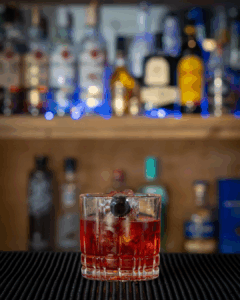
Large ice cubes or clear ice blocks melt slowly, releasing water gradually. This makes them ideal for spirit-forward cocktails where control is everything.
Big ice cubes:
- Melt slowly
- Keep drinks colder for longer
- Provide controlled, even dilution
Perfect for cocktails like:
In these drinks, you want the flavors to evolve slowly as the ice melts, not collapse all at once.
Small Ice Cubes or Crushed Ice: Fast & Refreshing
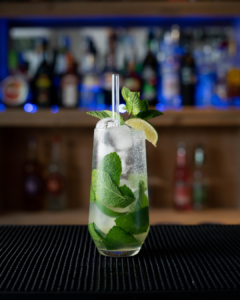
Smaller cubes and crushed ice melt much faster, which creates quicker dilution and rapid chilling.
Small or crushed ice:
- Chills drinks quickly
- Adds more water faster
- Creates a lighter, more refreshing profile
Great for cocktails like:
These drinks rely on brightness, citrus, and refreshment, and faster dilution actually improves balance and drinkability.
Why Water Matters Even More in Alcohol-Forward Cocktails
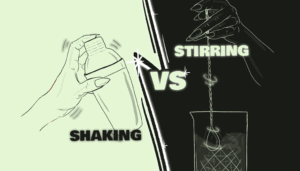
How you mix a cocktail matters just as much as the ice itself. Shaking and stirring don’t just change how a drink looks, they directly control how water enters the cocktail, shaping texture, dilution, and overall balance.
(We dive much deeper into this in our full guide: The Difference Between Shaking and Stirring (and When to Do What), a must-read if you want to level up your cocktail technique.)
Shaking
Shaking is all about energy and integration.
When you shake a cocktail, you:
- Introduce air into the drink
- Create more dilution in a shorter time
- Chill aggressively
- Add texture, lightness, and a slightly frothy mouthfeel
This extra water and aeration help bold or rich ingredients come together smoothly.
Best for:
- Citrus-heavy cocktails
- Creamy or egg-based drinks
- Cocktails that need full integration
Think:
Without proper shaking (and the water it adds), these drinks would taste sharp, heavy, or disjointed.
Stirring
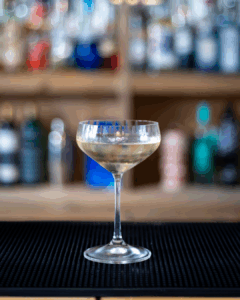
Stirring is about control and elegance.
When you stir a cocktail, you:
- Minimize air
- Add slow, controlled dilution
- Maintain clarity and structure
- Create a silky, polished texture
This method allows spirit-forward cocktails to open up without losing their backbone.
Ideal for:
Here, water isn’t rushing in, it’s easing its way into the drink, softening alcohol and enhancing aroma without breaking the cocktail’s structure.
Why Water Matters Even More in Alcohol-Forward Cocktails
Spirit-forward cocktails don’t have anywhere to hide.
Unlike fruity, shaken, or soda-based drinks, these cocktails rely almost entirely on base spirits, aromatics, and balance. There’s no citrus juice to soften the edges. No sweetness to mask harshness. No bubbles to distract the palate.
That’s exactly why water becomes even more important.
Think about classic alcohol-forward cocktails like:
On paper, these drinks are simple, often with just two or three ingredients. But in practice, they live or die by proper dilution.
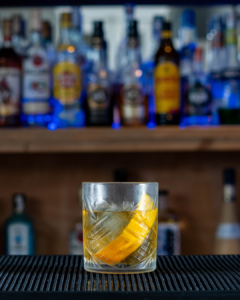
Without enough water, these cocktails are:
- Aggressive
- Sharp
- Overwhelmingly boozy
- One-dimensional
With the right amount of water, something almost magical happens.
Water allows:
- Botanicals in gin to open up and become aromatic rather than sharp
- Oak, vanilla, and spice in whiskey to soften and round out
- Bitterness (like Campari in a Negroni) to feel intentional and elegant instead of harsh
This is why a well-made Martini feels silky and refined, not hot or burning.
It’s why a properly diluted Old Fashioned tastes balanced and comforting rather than harsh and sweet.
In spirit-forward cocktails, water doesn’t weaken the drink.
It completes it.
That’s the difference between:
- “This is strong”
and - “This is well-made.”
Still Water vs Sparkling Water in Cocktails
Not all water plays the same role in a cocktail, and understanding the difference between still water and sparkling water is essential for balance and structure.
Still Water: The Foundation of Balance
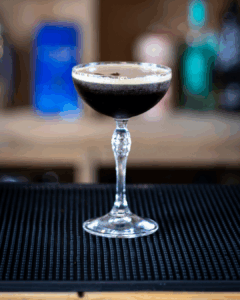
Still water enters cocktails primarily through:
- Ice melt
- Shaking or stirring
- Dilution during mixing
This type of water is subtle but powerful. It:
- Shapes mouthfeel
- Softens alcohol
- Allows flavors to integrate
Still water is absolutely essential in:
- Stirred cocktails (like a Negroni or Martini)
- Shaken classics (like a Daiquiri or Espresso Martini)
Without still water, these drinks would feel sharp, hot, and unfinished.
With it, they become smooth, cohesive, and balanced.
Still water is the quiet architect behind structure and elegance.
Sparkling Water: Lift, Freshness & Brightness
Sparkling water plays a very different, but equally important, role.
Instead of shaping structure, it adds:
- Lift
- Effervescence
- A refreshing finish
Sparkling water:
- Brightens flavors
- Lightens the perception of alcohol
- Makes cocktails feel more refreshing and sessionable
It’s a defining ingredient in classics like:
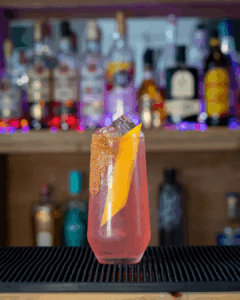
The bubbles do more than add texture. They:
- Push aromas upward toward your nose
- Make citrus and botanicals feel more vibrant
- Change how flavors land on the palate
That’s why a Paloma feels crisp and refreshing, while a Vodka Soda tastes clean and light, even though both rely heavily on water.
Sparkling water doesn’t replace still water, it builds on it.
A cocktail still needs proper dilution before the bubbles ever hit the glass.
The Takeaway: Water Is a Design Choice
Whether still or sparkling, water is never an afterthought in a great cocktail.
Bartenders choose:
- How much water
- How fast it enters the drink
- In what form
Those decisions shape:
- Balance
- Texture
- Aroma
- Drinkability
Once you start paying attention to water, you’ll notice it everywhere, and you’ll never look at a cocktail the same way again.
Does the Type of Water Matter?
Short answer: yes, more than you think.
Water is the silent majority in most cocktails, yet it’s often the least considered ingredient. If you care about good spirits and fresh citrus, water deserves the same respect.
Filtered vs. Tap Water
- Chlorine-heavy tap water can mute flavors and leave a dull finish
- Filtered water keeps cocktails clean, neutral, and expressive
You don’t need fancy equipment, just water that doesn’t fight your ingredients.
Mineral Water
- Can add subtle texture and weight
- Too many minerals can clash with delicate or spirit-forward drinks
Great for highballs and spritzes. Less great for something precise and elegant.
Sparkling Water Quality
- Flat or overly aggressive carbonation throws off balance
- Clean, crisp bubbles make a noticeable difference
Not all fizz is created equal, and your drink will tell you immediately.
Common Water Mistakes in Cocktails
Even experienced home bartenders slip up here:
❌ Over-diluting by shaking too long
❌ Under-diluting because “stronger is better”
❌ Using freezer ice that smells like last week’s pizza
❌ Flat soda water
❌ Warm glassware that melts ice instantly
Cocktails don’t need more alcohol.
They need better balance.
Why January Is the Perfect Time to Talk About Water
January is about resets, reflection, and getting the fundamentals right.
Dry or not, it’s the ideal moment to look at how we drink, not just what we drink. Understanding water makes you a better cocktail maker year-round:
- Better balance
- Better texture
- Better appreciation of spirits
And yes… sometimes that means enjoying water exactly as it is.
(We even named a cocktail after it. You might’ve seen it.)
From Fundamentals to Flavor
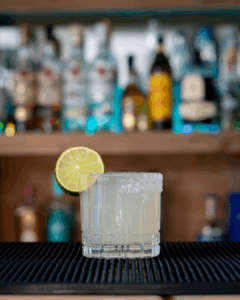
Once you understand water, every cocktail improves, not because you’re adding more, but because you’re balancing better.
Suddenly:
- Daiquiris become brighter, because proper dilution softens the lime’s sharp edge and lets the rum shine
- Negronis become smoother, with bitterness that feels intentional instead of aggressive
- Margaritas feel more refreshing, not heavy or overly sour
- Martinis turn elegant, silky, and aromatic instead of harsh
Water is the quiet connector between every ingredient in your glass. It’s what transforms individual components into a unified drink.
From the simplest Vodka Soda to the most complex stirred classic, water determines:
- How flavors open up
- How alcohol is perceived
- How long a drink stays enjoyable
And this is just the beginning.
Throughout the year, we’ll be diving deeper into:
- The science of dilution
- Different ice types and why they matter
- Sparkling water and carbonation in cocktails
- How water shapes aroma, texture, and finish
Because great cocktails aren’t just about what you add,
they’re about what you balance.
Final Thoughts
Water may be invisible in cocktails, but its impact is impossible to ignore.
It’s the difference between:
- Strong and well-made
- Harsh and smooth
- Forgettable and memorable
Mastering water doesn’t mean overthinking, it means paying attention. To ice. To temperature. To dilution. To balance.
Whether you’re stirring a Negroni, shaking a Daiquiri, or simply topping off a highball, water is doing more work than you realize.
Master water, and you master the drink.
And once you notice it, you’ll never taste cocktails the same way again.
FAQ: Water in Cocktails 💧🍸
Why is water important in cocktails?
Water softens alcohol, blends flavors, enhances aroma, and improves mouthfeel. Most cocktails contain 20–30% water through dilution, which is essential for balance and drinkability.
Does dilution ruin a cocktail?
No, proper dilution improves a cocktail. Too little dilution makes drinks harsh and aggressive; too much makes them flat. The goal is balance.
How much water should a cocktail have?
There’s no fixed amount, but most well-made cocktails reach ideal balance when properly chilled and diluted through stirring or shaking with ice.
Is ice just frozen water in cocktails?
Yes, but how ice melts matters. Different ice sizes control dilution speed, temperature, and texture, dramatically affecting the final drink.
Does the type of water matter in cocktails?
Absolutely. Filtered water is best, as chlorine-heavy tap water can mute flavors. Sparkling water quality also affects freshness and balance.
Why do spirit-forward cocktails need water?
Drinks like Martinis, Negronis, and Old Fashioneds rely on dilution to open up botanicals, soften alcohol, and round out bitterness.
What’s the difference between shaking and stirring in terms of water?
Shaking adds more dilution and aeration, ideal for citrus or creamy drinks. Stirring adds controlled dilution while keeping drinks silky and spirit-forward.
Can bad ice ruin a cocktail?
Yes. Ice that smells or tastes off will transfer those flavors directly into your drink. Clean ice is non-negotiable.
Is sparkling water better than still water in cocktails?
They serve different purposes. Still water shapes structure through dilution; sparkling water adds lift, freshness, and aromatic brightness.
Why talk about water during Dry January?
January is the perfect time to revisit fundamentals. Understanding water improves cocktails year-round, whether you’re drinking alcohol or not.

The SeeThrough Special - Worthington's Bar
January 31, 2026 @ 11:55
[…] The Candy Cane Martini Why Water Is the Most Important Ingredient in Cocktails […]