
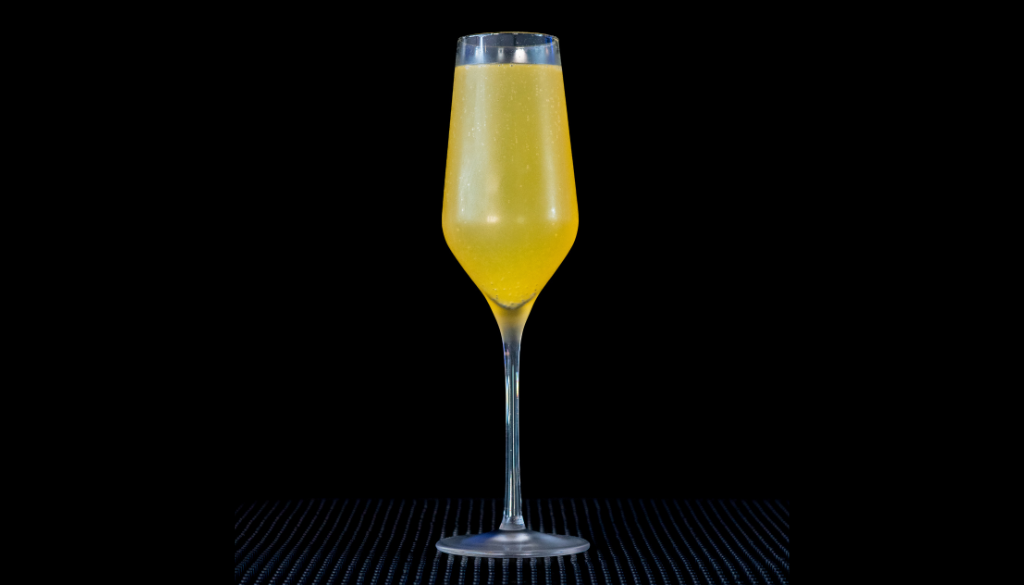
The Mimosa
The Ultimate Brunch Cocktail Classic
Few cocktails are as universally loved, effortlessly elegant, and endlessly versatile as the Mimosa. Light, bubbly, citrusy, and celebratory without being overpowering, the Mimosa has earned its place as the official drink of brunch, breakfasts, weddings, baby showers, holidays, and lazy weekends that start a little later than planned.
Whether you’re clinking glasses on a sunny Sunday morning, hosting a festive Christmas brunch, or easing into the day after a long night, the Mimosa always feels appropriate. It’s approachable, refreshing, and proof that great cocktails don’t need complicated techniques or endless ingredients.
At its heart, the Mimosa is a simple combination of sparkling wine and fresh orange juice, but there’s a rich history, a few important ratios, and plenty of ways to elevate it from “basic” to bar-worthy.
A Brief History of the Mimosa Cocktail
The Mimosa may feel modern and effortless, but this iconic brunch cocktail has a surprisingly elegant past. Long before it became synonymous with bottomless brunches and lazy Sundays, the Mimosa was a refined daytime drink enjoyed in some of Europe’s most stylish settings.
Understanding where the Mimosa comes from not only adds charm to the cocktail, but also explains why it works so well as a light, celebratory drink that fits almost any occasion.
Where Did the Mimosa Come From?
The Mimosa cocktail is widely believed to have originated in France in the early 20th century, during a time when café culture was flourishing, and daytime drinking leaned toward elegance rather than excess.
The drink is most famously associated with The Ritz Hotel in Paris, where it appeared on menus as a sophisticated option for late mornings and early afternoons. Unlike heavier cocktails of the time, the Mimosa felt appropriate before sunset; sparkling, citrusy, and refreshingly light.
Its name comes from the mimosa flower, a bright yellow bloom popular in southern France and Italy. The connection is both visual and symbolic:
- The flower’s vibrant yellow color mirrors the sunny hue of orange juice
- The mimosa plant blooms in late winter and early spring, aligning perfectly with daytime, celebratory sipping
In many ways, the Mimosa was designed to feel cheerful, fresh, and approachable qualities that still define the drink today.
Mimosa vs. Buck’s Fizz: What’s the Difference?
The Mimosa is often confused with (or compared to) the Buck’s Fizz, a similar cocktail that originated in London around the same era. While they share the same two ingredients, sparkling wine and orange juice, the key difference lies in proportion and intention.
The Mimosa
- Sparkling wine-forward
- Lighter, more refreshing
- Designed for daytime drinking and brunch
- Crisp, bubbly, and balanced
The Buck’s Fizz
- Heavier on orange juice
- Richer and more filling
- Often served earlier in the 20th century as a more substantial drink
Over time, the Mimosa emerged as the preferred choice, especially for brunch. Its lighter ratio made it easier to sip, more refreshing, and better suited to social settings where food, conversation, and lingering at the table mattered just as much as the drink itself.
Today, the Mimosa has largely eclipsed the Buck’s Fizz, becoming the global standard for sparkling wine and orange juice cocktails.
Why the Mimosa Became a Brunch Staple
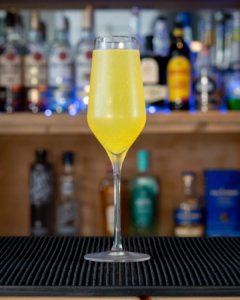
The Mimosa didn’t just accidentally become a brunch icon. Its rise is rooted in practicality, flavor balance, and social appeal. Few cocktails check as many boxes as this one.
Low-Alcohol, High Enjoyment
One of the Mimosa’s biggest strengths is its lower alcohol content compared to classic cocktails made with spirits.
Because it’s built around sparkling wine rather than vodka, gin, or whiskey, the Mimosa:
- Feels lighter on the palate
- Is easier to enjoy earlier in the day
- Allows guests to sip without feeling overwhelmed
This makes it ideal for:
- Breakfasts and brunches
- Holiday mornings
- Long, social meals where drinks are enjoyed slowly
It offers the feeling of celebration without the intensity of a full-strength cocktail, a huge reason it remains so popular.
Easy to Batch for Groups
From a hosting perspective, the Mimosa is almost unbeatable.
There’s:
- No shaking
- No stirring
- No complicated techniques
- No specialty tools required
You can easily:
- Set up a self-serve Mimosa bar
- Pre-chill bottles of sparkling wine
- Offer fresh juice in carafes
- Let guests build their own drinks
This makes Mimosas perfect for:
- Brunch parties
- Baby showers
- Weddings
- Holiday gatherings
- Casual weekend hosting
Minimal effort, maximum reward, exactly what brunch drinks should be.
Universally Approachable
Another reason the Mimosa dominates brunch menus is its broad appeal.
It effortlessly bridges the gap between:
- Wine drinkers, who enjoy the bubbles
- Cocktail lovers, who want something festive
- Casual brunch guests, who may not usually order cocktails
The flavor profile is:
- Light
- Citrus-forward
- Gently sweet
- Refreshing rather than heavy
It’s rare to meet someone who actively dislikes a Mimosa, which makes it a safe, crowd-pleasing option for hosts and restaurants alike.
Choosing the Best Sparkling Wine for Mimosas
Not all bubbles are created equal, and when it comes to making a truly great Mimosa, the sparkling wine you choose matters more than most people realize. The right bottle can enhance the freshness of the orange juice, balance sweetness, and keep the drink light and celebratory rather than flat or cloying.
The good news? You don’t need an expensive bottle to make an excellent Mimosa, you just need the right style.
Prosecco: The Most Popular Choice
Prosecco is hands-down the most popular sparkling wine for Mimosas, and for very good reason. Produced in Italy, Prosecco is known for its approachable flavor profile and bright fruitiness, making it ideal for brunch cocktails.
Why Prosecco Works So Well in Mimosas
- Light, fresh, and gently fruity
- Slightly sweeter than other sparkling wines
- Affordable and widely available
- Doesn’t overpower the orange juice
Prosecco’s soft bubbles and subtle sweetness complement citrus beautifully, allowing the orange juice to shine without tasting sharp or acidic.
For this recipe, we used Martini Prosecco, which is:
- Crisp and clean
- Well-balanced
- Reliable for both sipping and mixing
It’s exactly what you want in a Mimosa: refreshing, uncomplicated, and easy to drink.
Best For
- Classic brunch Mimosas
- Large gatherings and parties
- Casual celebrations
- Mimosa bars and pitchers
If you’re unsure which sparkling wine to choose, Prosecco is always a safe and delicious option.
Cava: Crisp & Food-Friendly
Cava is Spain’s answer to sparkling wine, and it’s an underrated gem when it comes to Mimosas. Made using the traditional method (the same process as Champagne), Cava tends to be drier, crisper, and more structured than Prosecco.
Why Choose Cava
- Drier profile with higher acidity
- More complex and wine-forward
- Excellent with savory foods
Because Cava is less fruity and slightly sharper, it pairs exceptionally well with rich or salty brunch dishes like:
- Eggs Benedict
- Smoked salmon
- Cheeses and charcuterie
- Croissants and pastries
In a Mimosa, Cava creates a cleaner, more refined drink that still feels refreshing but slightly more sophisticated.
Best For
- Savory brunch spreads
- Guests who prefer drier drinks
- Elevated brunch menus
If your brunch leans more savory than sweet, Cava might be your perfect match.
Champagne: Luxurious & Celebratory
Yes, you can use Champagne in a Mimosa. But whether you should depends on the occasion.
Champagne brings elegance, prestige, and beautifully fine bubbles, but it also comes at a higher price point and often features delicate flavors that can be masked by orange juice.
Pros of Using Champagne
- High-quality, persistent bubbles
- Elegant mouthfeel
- Ideal for special occasions
Cons
- Significantly more expensive
- Nuanced flavors can get lost
- Often better enjoyed on its own
Best For
- Weddings
- Milestone celebrations
- Upscale brunches
- When you already have Champagne on hand
💡 Pro Tip: If you’re using Champagne for Mimosas, choose a Brut style. This keeps the drink balanced and prevents it from becoming overly sweet once the orange juice is added.
The Perfect Mimosa Ratio (This Actually Matters)
If there’s one thing that can make or break a Mimosa, it’s the ratio. Too much juice, and you lose the sparkle. Too much sparkling wine, and it stops feeling like a brunch cocktail.
The Golden Ratio
The best Mimosa is sparkling wine-forward, not juice-heavy.
The ideal balance:
- More sparkling wine than orange juice
This keeps the drink:
- Light and refreshing
- Bright and bubbly
- Easy to sip over a long brunch
A Mimosa should still taste like a celebratory drink, not breakfast juice with bubbles.
For reference, we used:
- 60 ml fresh orange juice
- 120 ml prosecco
This ratio allows the citrus to enhance the wine rather than dominate it.
Customizing the Ratio to Taste
One of the great things about Mimosas is how adaptable they are. While the golden ratio works for most people, small adjustments can tailor the drink to your preferences.
- Prefer it lighter and fresher?
Add a little more prosecco for extra bubbles and crispness. - Prefer it juicier and softer?
Increase the orange juice slightly, just don’t overpower the wine. - Hosting an all-day brunch?
Keep the drink wine-forward to avoid palate fatigue and keep things refreshing.
Finding the right balance ensures your Mimosa stays enjoyable from the first sip to the last refill.
Fresh Orange Juice vs. Store-Bought
When a cocktail only has two main ingredients, quality matters. A Mimosa is simple by design, which means every component is fully on display, especially the orange juice.
Fresh Is Always Best
Freshly squeezed orange juice will always produce the best Mimosa.
Why fresh juice makes such a difference:
- Brighter acidity that balances the bubbles beautifully
- Cleaner, fresher flavor without artificial sweetness
- More vibrant, natural color in the glass
Fresh juice brings the cocktail to life and keeps it from tasting flat or dull. It’s especially important when serving Mimosas at brunch, where freshness is part of the experience.
💡 Tip: If possible, juice your oranges just before serving. Even a few hours can make a noticeable difference.
If You Use Store-Bought Juice
We get it; sometimes convenience wins. If you’re using store-bought orange juice, choose carefully.
Look for:
- 100% orange juice
- No added sugar or sweeteners
- Pulp-free (optional, but better for a smooth Mimosa texture)
Avoid concentrates or heavily processed juices, which can taste overly sweet or dull once mixed with sparkling wine.
A good rule of thumb: if you wouldn’t happily drink the juice on its own, it won’t shine in a Mimosa either.
Fun Facts About the Mimosa 🍊🥂
The Mimosa may be simple, but it’s one of the most iconic cocktails in the world, and it comes with some fun trivia.
- The Mimosa is one of the most ordered brunch cocktails globally
- It’s a staple at weddings, baby showers, and bridal brunches
- In many cities, bottomless mimosas are a brunch tradition (for better or worse 😉)
- For many people, the Mimosa is the first cocktail they ever try
- It’s one of the easiest cocktails to make non-alcoholic by simply swapping the sparkling wine
Its universal appeal is exactly what makes it such a crowd favorite.
When to Serve a Mimosa
The beauty of the Mimosa lies in its versatility. It feels just as appropriate at an elegant event as it does at a casual kitchen table brunch.
Perfect occasions include:
- Brunch & breakfast gatherings
- Christmas morning
- Easter brunch
- Mother’s Day
- Bridal showers & baby showers
- Lazy Sundays
- Day-after celebrations
The Mimosa also works beautifully as a starter cocktail, easing guests into the day before transitioning to stronger drinks later on.
Popular Mimosa Variations to Know
While the classic orange Mimosa will always have a place at the table, variations keep things exciting, especially for holidays and themed brunches.
Popular Mimosa Variations:
- Cranberry Mimosa – Tart, festive, perfect for the holidays
- Peach Mimosa (Bellini-style) – Soft, fruity, and elegant
- Blood Orange Mimosa – Rich color with deeper citrus notes
- Grinch Mimosa – Playful, green, and perfect for Christmas
- Grapefruit Mimosa – Slightly bitter, refreshing, and grown-up
These variations stay true to the Mimosa’s brunch roots while offering new flavors and visual appeal.
Why the Mimosa Will Never Go Out of Style
Cocktail trends come and go, but the Mimosa has stood the test of time, and for good reason.
The Mimosa is:
- Simple
- Adaptable
- Social
- Celebratory
It doesn’t try to be complicated or flashy. Instead, it delivers exactly what people want from a brunch cocktail: ease, freshness, and a reason to linger a little longer at the table.
Whether you’re hosting an elaborate brunch or pouring one just because it’s a slow morning, the Mimosa always feels right.
🍊🍾 The Mimosa 🍊🍾
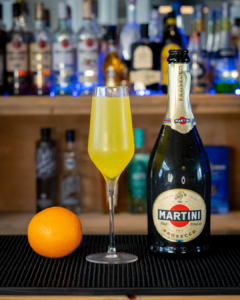
Ingredients
- 60 ml Fresh Orange Juice
- 120 ml Prosecco
Instructions
- Pour the orange juice and prosecco both in your chilled glass.
- Stir gently.
- Enjoy!
Remember: Drink Responsibly, Don’t Spill Any!😉
📸 Don’t forget to capture the magic of your Mimosa creation and share it with us using #WorthingtonsBar. We can’t wait to see the joy and zest you bring to this brunch classic! Cheers to the perfect balance of flavors and the timeless pleasure of a well-crafted spiced cocktail! 🌟✨
Final Thoughts: Why the Mimosa Will Always Be a Brunch Icon
The Mimosa proves that the best cocktails don’t need to be complicated. With just sparkling wine and orange juice, this timeless drink has earned its place as the ultimate brunch staple — light, celebratory, and endlessly adaptable.
From its elegant European origins to its modern-day presence at brunch tables around the world, the Mimosa continues to shine because it fits every moment. It’s perfect for slow mornings, joyful celebrations, holiday brunches, and everything in between.
Whether you prefer prosecco, cava, or Champagne, freshly squeezed juice or a quick pour from the fridge, the Mimosa invites you to make it your own. It’s approachable, crowd-pleasing, and effortlessly festive — the kind of drink that turns any gathering into a celebration.
Save this guide, share it with your brunch-loving friends, and let the Mimosa remain your go-to cocktail whenever bubbles and sunshine are required.
Cheers from Worthington’s Bar 🍊🥂
Mimosa FAQ: Everything You Need to Know
What is a Mimosa cocktail?
A Mimosa is a classic brunch cocktail made with sparkling wine and orange juice. It’s known for its light, refreshing flavor and low alcohol content, making it ideal for daytime drinking.
What is the best sparkling wine for a Mimosa?
The most popular choices are:
- Prosecco – Light, fruity, affordable, and perfect for brunch
- Cava – Drier and more structured, great with savory foods
- Champagne – Elegant and celebratory, best for special occasions
For everyday brunch, prosecco is the most balanced and accessible option.
What is the perfect Mimosa ratio?
The ideal Mimosa ratio is:
- More sparkling wine than orange juice
This keeps the drink bubbly, light, and refreshing. Too much juice can overpower the wine and make the cocktail feel heavy.
Can I make Mimosas ahead of time?
It’s best to mix Mimosas just before serving to preserve carbonation. However, you can:
- Chill your sparkling wine and juice in advance
- Set up a DIY Mimosa bar and let guests pour their own
For large gatherings, avoid pre-mixing to keep the bubbles fresh.
Is fresh orange juice really better?
Yes. Freshly squeezed orange juice provides:
- Brighter acidity
- Cleaner flavor
- More vibrant color
If using store-bought juice, choose 100% orange juice with no added sugar.
Are Mimosas strong?
No — Mimosas are considered low-alcohol cocktails, especially compared to spirit-based drinks. That’s one of the reasons they’re so popular for brunch and breakfast events.
Can I make a Mimosa without alcohol?
Absolutely. Replace the sparkling wine with:
- Sparkling water
- Sparkling lemonade
- Non-alcoholic sparkling wine
You’ll still get the festive bubbles with zero alcohol.
What glass is best for serving a Mimosa?
Traditionally, Mimosas are served in:
- Champagne flutes for elegance
- Coupe glasses for a vintage feel
Flutes help preserve carbonation and showcase the drink’s color.
What are the most popular Mimosa variations?
Some fan favorites include:
- Cranberry Mimosa
- Peach Mimosa (Bellini-style)
- Blood Orange Mimosa
- Grapefruit Mimosa
- Holiday-themed Mimosas like the Grinch Mimosa
These variations keep the classic fresh while maintaining its brunch appeal.
When is the best time to serve a Mimosa?
Mimosas are perfect for:
- Brunch & breakfast
- Holidays like Christmas and Easter
- Baby showers & bridal showers
- Lazy weekends and day-after celebrations
Any time you want something light, bubbly, and celebratory.
If you want to see the video tutorial on this drink, check it out here on our Instagram page! We would love to connect with you and hear about what recipe we should make next. 😁
🍸 Worthington’s Bar Monthly Pub Quiz: Brunch Edition! 🥂🍳 - Worthington's Bar
February 27, 2026 @ 08:57
[…] sparkling wine is traditionally used in a classic Mimosa?A) ChampagneB) ProseccoC) CavaD) […]
Best Brunch Cocktails to Make at Home (Easy & Impressive) - Worthington's Bar
February 27, 2026 @ 15:02
[…] Mimosa […]