
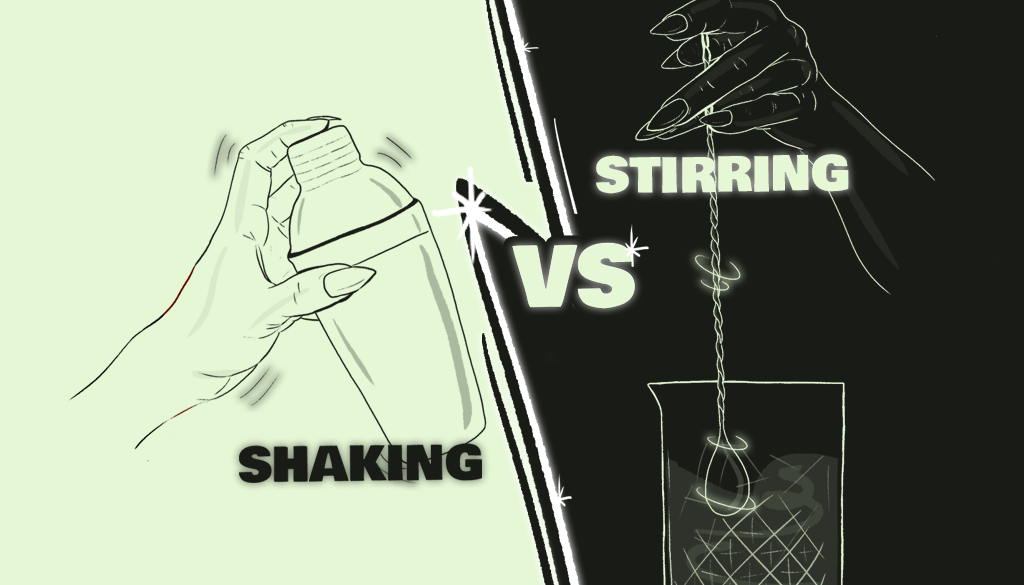
The Difference Between Shaking and Stirring (and When to Do What)
Why Technique Matters in Cocktails
When it comes to cocktails, technique is everything. Whether you’re a home bartender trying to impress your friends, or just someone who appreciates a properly crafted drink, how you mix it can make or break the experience.
You might think shaking vs. stirring is just a silly debate, fueled by James Bond movies and cocktail snobs—but there’s actual science, flavor, and style behind every swirl of your spoon or dramatic shake of the tin.
Why Shaking and Stirring Aren’t Interchangeable
At Worthington’s Bar, we know a cocktail is more than a drink—it’s a moment, a ritual, and sometimes, a little bit of mischief in a glass. Shaking and stirring aren’t interchangeable; each method has a purpose, and mastering both is a mark of a true cocktail craftsman.
How Technique Affects Your Drink
The way you mix a drink affects:
Flavor
Stirring keeps botanicals and spirits bright and aromatic. Shaking blends citrus and fruit juices seamlessly and creates frothy, airy textures.
Texture
A shaken cocktail often feels lively and light, while a stirred one is silky, smooth, and velvety.
Temperature & Dilution
Stirring chills slowly with minimal dilution; shaking chills fast, slightly diluting the cocktail for balance.
Showmanship
Yes, there’s a little bit of flair involved. Watching a cocktail being properly shaken or stirred is like seeing a chef plate a dish—it tells your guests, “I care about this. I know what I’m doing.”
James Bond and the Shaken vs. Stirred Myth

If you want the full inside scoop on what Hollywood got wrong about James Bond’s famous ‘shaken, not stirred’ line, check out our blog Bartender Myths: What Movies Get Wrong About Cocktails. Spoiler: Bond was stylish, but not always technically correct.
What You’ll Learn in This Guide
In this guide, we’ll break down:
- The difference between shaking and stirring
- The science and flavor impact of each technique
- Which cocktails belong in each category
- Common mistakes to avoid
By the end, you’ll know exactly when to shake, when to stir, and how to make every sip a little moment of perfection.
History & Culture: Shaking vs. Stirring Through the Ages
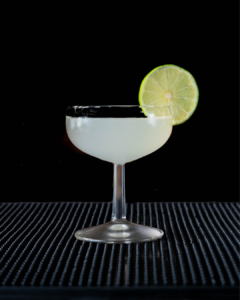
Long before James Bond made “shaken, not stirred” famous, bartenders were already debating the merits of each method. In 19th-century Europe, cocktails were often stirred. Why? Because clarity and aromatic precision were prized—the botanicals in gin or vermouth didn’t want to be muddled or over-diluted. Stirring became the hallmark of refinement and subtlety.
Across the Atlantic, American bartenders leaned toward shaking—especially with citrus-heavy cocktails like the Whiskey Sour or the Daiquiri. Shaking allowed for proper mixing of juices, syrups, and spirits while aerating the drink to create frothy, lively textures. Over time, these methods weren’t just functional—they became cultural markers.
By the 20th century, shaking and stirring weren’t just about taste—they were a statement. European bars favored elegance and restraint, while American bars loved energy, flair, and a touch of drama. Today, your choice of technique says as much about your cocktail knowledge as it does your style.
Pop Culture & Anecdotes: Hollywood vs. the Real Bar Life
Let’s be honest — Hollywood has done a lot for cocktail culture… and also, well, confused a few people along the way.
James Bond: Shaken, Not Technically Correct
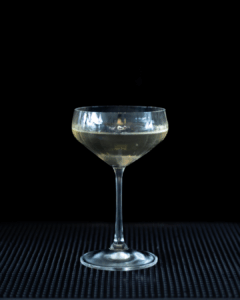
Sure, James Bond made “shaken, not stirred” iconic — but any bartender worth their bitters knows that shaking a Martini clouds it up and dilutes the gin’s botanical precision. Stirring, on the other hand, keeps the cocktail clear, silky, and balanced. Bond might look cool, but technically… he’s trading elegance for theatrics. (Still, we’d have a martini with him any day.)
Tom Cruise in Cocktail: Flair for the Dramatic
When Cocktail hit the big screen in the ‘80s, bartending became performance art. Bottles flying, shakers spinning, and lots of very dramatic splashes. But behind every great bar there’s one truth: technique always comes before theatrics. Sure, a little flair is fun, but it’s the taste that makes your cocktail unforgettable.
Social Media’s Cocktail Glow-Up
Fast forward to now: the spotlight isn’t just on bartenders, it’s on you. With a good camera angle and some chilled glassware, anyone can make a cocktail worthy of a close-up. When your shaken cocktail has that perfect froth, or your stirred Negroni gleams like ruby glass, your followers will double-tap with envy.
✨ Pro tip from Worthington’s Bar: Tag us in your creations — we love sharing beautifully crafted drinks that nail both the technique and the vibe.
The Basics of Cocktail Technique: Shaking vs. Stirring

Before we dive into specific cocktails, it’s important to understand what makes shaking and stirring different—and why it matters. Think of it like cooking: you wouldn’t blend a fine sauce in a frying pan, right? Same idea here.
What Stirring Really Does
Stirring is all about precision and control. It’s the method for cocktails that are spirit-forward, delicate, and where clarity matters.
Flavor Preservation
Stirring keeps the flavors clean, crisp, and aromatic, highlighting the nuances of your base spirits—gin, whiskey, or rum. No muddied flavors, no unnecessary dilution.
Texture & Temperature
A stirred cocktail is silky, smooth, and perfectly chilled. The ice gently cools the drink without breaking it down too much, leaving you with a velvety mouthfeel.
Classic Cocktails That Should Be Stirred
These are drinks you want to sip slowly and savor, where every ingredient shines and dilution is minimal. Stirring is the art of letting the spirit speak for itself.
Why Shaking Is More Dramatic—and Delicious
Shaking is bold, expressive, and perfect for cocktails with juices, syrups, or egg whites. It’s the method that adds texture, aeration, and a bit of flair.
Mixing & Dilution
Shaking combines ingredients quickly and thoroughly, chilling them fast while slightly diluting the drink. This is perfect for cocktails with citrus or other non-alcoholic components that need emulsifying.
Texture & Presentation
A properly shaken cocktail is frosty, airy, and sometimes frothy. Think of that layer of foam on a Whiskey Sour or the cloudiness in a shaken gin sour—it’s part of the charm.
Cocktails That Benefit from Shaking
Shaking is about energy, texture, and balancing stronger flavors with juice or syrup. It’s a little more forgiving than stirring, but the technique still matters.
Why Knowing the Difference Matters
Mixing method isn’t just technical—it affects flavor, balance, clarity, and experience. Get it wrong, and you can ruin a perfectly good cocktail. Get it right, and you’re a cocktail hero, impressing friends, family, or even just yourself.
Shaken vs. Stirred: Science, Flavor & Texture

It’s not just a James Bond thing—there’s real science behind whether a cocktail should be shaken or stirred. Understanding this will make you look like a pro behind the bar (or at your home bar, because why not?).
The Science of Stirring
When you stir:
- Less air is incorporated, keeping the drink crystal clear.
- Temperature drops gradually, chilling the drink without over-diluting it.
- Flavors stay pure and focused, perfect for spirit-forward cocktails like your Classic Martini or Negroni.
Stirring is essentially a gentle hug for your spirits. It respects them, lets them shine, and rewards precision.
The Science of Shaking
Shaking is a full-on workout for your cocktail:
- Ice breaks faster, slightly diluting the drink—perfect when you have strong citrus or syrup that needs balancing.
- Aeration occurs, giving frothy textures to drinks with egg whites or juices.
- Rapid chilling makes tropical and fruity drinks more refreshing.
It’s bold, energetic, and slightly theatrical—think Margarita, Whiskey Sour, or Espresso Martini. Your cocktail isn’t just cold; it’s alive.
Flavor Differences You Can Taste
- Stirred Drinks: Smooth, silky, focused. Flavors are layered delicately.
- Shaken Drinks: Light, frothy, slightly more diluted. Flavors are bright and refreshing, often with a subtle foam.
Knowing this difference is the fast track to mastering cocktails at home. You’ll know when to break out the shaker and when to quietly stir like a refined mixology ninja.
The Bond Effect: Shaken, Not Stirred
Of course, we can’t talk about shaking and stirring without mentioning the legendary James Bond line. Want the full story on what movies get wrong about cocktails? Check out our blog: Bartender Myths: What Movies Get Wrong About Cocktails.
Spoiler: Bond’s preference isn’t about flair—it’s about dilution and temperature, plus a little Hollywood dramatization. Real martinis? Usually stirred, because elegance > theatrics.
Common Mistakes to Avoid When Shaking and Stirring
Even seasoned home bartenders make mistakes. The good news? Most of them are easy to fix once you know what to look out for.
Over-Shaking: Froth Gone Wrong
Shaking too vigorously or too long can result in cocktails that are overly frothy or diluted. While a little foam can be fun in an Espresso Martini, no one wants a watery drink that has lost its balance.
Under-Stirring: Uneven Flavor Disaster
Stirred drinks aren’t “lazy cocktails.” Under-stirring leaves uneven flavors and overly strong sips of alcohol. A proper stir ensures smooth, balanced layers of flavor in cocktails like the Classic Martini or Boulevardier.
Wrong Ice Type or Glassware: Size Matters
Ice isn’t just for aesthetics (sorry, Instagram).
- Stirred cocktails: Go big—large cubes melt slowly, chilling without over-diluting.
- Shaken cocktails: Small or cracked ice works best, chilling quickly and creating the right aeration for texture and froth.
Pro tip: Respect your ice, respect your cocktail.
Tools & Technique Tips: Upgrade Your Home Bar Game
Shakers
- Boston shaker: Pro-level, two-piece, perfect for larger batches.
- Cobbler shaker: Three-piece, easier for beginners, with built-in strainer.
Stirring Tools
- Bar spoon: Long, twisted handle for control.
- Glass stirring rod: Minimalist and precise for delicate cocktails.
Ice Matters
- Stirred drinks? Large, clear cubes chill slowly without watering down the cocktail.
- Shaken drinks? Small or cracked ice ensures rapid chilling and aeration.
Garnish Like a Pro
- Stirred cocktails: Express oils from lemon or orange peel for aromatics.
- Shaken cocktails: Froth and foam give you room for playful touches like cocoa dusting or aromatic bitters.
Pro tip: Presentation isn’t just Instagram fuel—it’s how your cocktail smells, feels, and wows your guests before the first sip.
Pairing & Tasting Tips: Make Your Cocktails Shine
A great cocktail isn’t just about the drink — it’s about the moment. What you pair it with can make your flavors pop and turn a simple sip into an experience.
Shaken Cocktails: Bright, Bold, and Brunch-Ready
Shaken cocktails are your party starters — lively, refreshing, and often citrusy or creamy. They’re built for energy and flavor.
Perfect pairings:
- Zesty Margaritas with shrimp tacos or fresh ceviche
- Espresso Martinis with tiramisu or chocolate mousse
- Daiquiris with tropical fruit skewers or light tapas
When to serve: Afternoon aperitifs, rooftop sessions, or cocktail hours that start with laughter.
Stirred Cocktails: Sophisticated, Smooth, and Slow
Stirred cocktails are all about poise — the strong, silent types of the bar world. They’re smooth, spirit-forward, and made to be savored.
Perfect pairings:
- Classic Martinis with oysters or smoked salmon
- Negronis with cured meats, aged cheeses, or roasted nuts
- Boulevardiers with dark chocolate or espresso desserts
When to serve: After-dinner drinks, candlelit evenings, or any night where you want to feel like a cinematic icon.
Worthington’s Bar Pro Tip:
Hosting a tasting flight? Serve three stirred cocktails first, then three shaken. The order matters — starting with the spirit-forward drinks helps your palate notice how texture and aeration evolve. By the end, your guests won’t just be impressed; they’ll be converts to the art of balance.
Tips from Worthington’s Bar
Mastering shaking and stirring is part science, part personality—and yes, part sass.
Chill Your Glassware
Cold glass = cold cocktail. Simple as that. Nothing ruins the experience like a warm glass undermining all your effort.
Taste as You Go
Technique is important, but flavor rules the night. Sip and adjust your ratios as needed.
Experiment Boldly
Don’t be shy! Play with small tweaks, unexpected garnishes, or new twists. Your friends might think you’re a mixology prodigy… or just a little cheeky. Both are good outcomes.
Advanced Home Bartender Hacks: Your Shortcut to Mixology Glory
Ready to level up from “weekend shaker” to “resident cocktail genius”? These Worthington’s Bar-approved tricks will make every pour smoother and every sip more impressive — no bartending school required.
Double Shake vs. Reverse Shake: The Froth Factor
If you’re mixing drinks with egg whites or aquafaba (hello, Pornstar Martini), shaking technique is everything.
- Double Shake: Shake once without ice to build the froth, then again with ice to chill and integrate. Result? Maximum volume and Instagram-worthy foam.
- Reverse Shake: Chill first with ice, strain, then shake again without it. The outcome? A denser, silkier texture — pure cocktail luxury.
Layering Drinks: The Elegant Show-Off Move
To layer like a pro, pour each liquid slowly over the back of a spoon. This keeps the densities separate, creating a visual masterpiece. Think: coffee liqueur base, Baileys middle, cream float — like your own edible art exhibit.
Chill Everything (We Mean Everything)
Cold is clarity. Pre-chill your glassware, bar spoon, and even your spirits if you can. The difference between “pretty good” and “holy wow” often comes down to temperature control.
Worthington’s Bar Fun Fact:
Once you’ve mastered these hacks, you’ll have friends swearing you’ve been moonlighting at a speakeasy. But don’t worry — your secret’s safe with us. 😉
The Verdict: When to Shake and When to Stir
Understanding why you shake or stir is key to mastering cocktails.
Stir
- Use for spirit-forward cocktails: Classic Martini, Negroni, Old Fashioned, Boulevardier.
- Flavor profile: Aromatic, subtle, layered complexity.
- The result: Glossy, smooth, crystal-clear perfection.
Shake
- Use for cocktails with citrus, fruit juice, creamy ingredients, or egg whites: Espresso Martini, Pornstar Martini, Margarita.
- Flavor profile: Frothy, bright, texturally fun.
- The result: Bold, refreshing, and a little dramatic (in a good way).
Remember
Not every cocktail needs James Bond theatrics. Sometimes elegance is about restraint. Knowing when to stir vs. shake instantly makes you look like a mixology expert.
Quiz Your Skills
Are you a shaker or a stirrer? Let’s find out:
- You love dramatic wrist action and a little froth → Shake.
- You prefer precision, clarity, and silky textures → Stir.
- You’ve ever dumped ice, spirits, and juice into a glass and called it “cocktail time” → Don’t worry, we’ve all been there. Start practicing!
Bonus: Why Proper Technique Makes You Look Like a Pro
Presentation isn’t just about looking good for Instagram (though we’ll admit, that’s a nice bonus). Proper technique communicates skill, respect for your ingredients, and a bit of flair that makes every cocktail feel special.
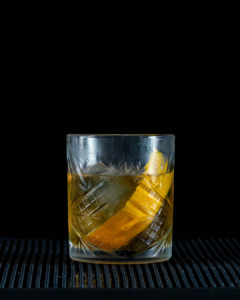
- Stirred drinks: Think Classic Martini, Negroni, Old Fashioned, Boulevardier. Stirring gently over large ice cubes preserves the cocktail’s clarity, smoothness, and layered flavors. The liquid glides like silk, and every sip tastes perfectly integrated. This is your “I’ve mastered craft cocktails without breaking a sweat” move.
- Shaken drinks: Perfect for Margaritas, Pornstar Martini, Espresso Martinis, and other citrusy or creamy creations. Shaking creates aeration, chills the drink quickly, and gives it a playful frothy texture. The shake is your chance to flex a little drama—your guests will notice the bubbles, the chill, and your confident wrist action.
- Extra credit tips:
- Use fresh, clear ice—cloudy or small ice cubes can dilute or muddy your cocktail.
- Glassware matters—always pre-chill for stirred drinks; choose the right vessel to showcase shaken cocktails’ foam and sparkle.
- Finishing touches—twist a lemon peel over stirred cocktails for aromatic oils, or add a dusting of cocoa on an Espresso Martini for a little cheeky flair.
With consistent practice, your guests won’t just enjoy the drinks—they’ll admire your craft. You don’t need a fancy bar setup to look like a pro; a little technique, attention, and a dash of showmanship goes a long way.
Conclusion: Master Your Sip
Shaking vs. stirring isn’t just a matter of preference—it’s a matter of respecting the cocktail, your ingredients, and your taste buds. When you understand the why behind the method, your drinks hit the perfect balance every time.
- Stir for spirit-forward cocktails: Gin, whiskey, or vermouth-based drinks—smooth, aromatic, sophisticated. Think Classic Martini or Boulevardier. You want precision, clarity, and elegance in a glass.
- Shake for frothy, bright, and citrusy cocktails: Margaritas, Pornstar Martinis, Espresso Martinis—refreshing, playful, and texturally fun. Here, drama is your friend, but technique is everything.
- Confidence is key: Knowing your technique allows you to focus on flavor, presentation, and creativity. A little flair, a twist of garnish, or the perfect stir can elevate even the simplest cocktail into a memorable experience.
- Cocktails are statements: They reflect your personality, your taste, and your care. With knowledge, precision, and a dash of sass, you can transform any home gathering into a sophisticated, fun, and memorable night.
- Practice makes perfect: Try stirring a Negroni, shaking an Espresso Martini, or perfecting a Boulevardier. Each cocktail is a lesson in balance, technique, and style—and every success boosts your confidence behind the bar (or your kitchen counter).
Your next cocktail night isn’t just about mixing drinks—it’s about mastering the art, impressing your friends, and having fun doing it. Because at the end of the day, a well-made cocktail isn’t just a drink—it’s a statement in a glass.
FAQ: Shaken vs. Stirred — Your Cocktail Questions, Answered
Q: What’s the main difference between shaking and stirring a cocktail?
A: Shaking aerates and chills a drink fast, giving it that frothy, lively texture (think daiquiris or espresso martinis). Stirring, on the other hand, is smooth and controlled — it chills and blends without adding air, keeping spirit-forward cocktails crystal clear (like martinis or negronis).
In short: shaking = drama, stirring = elegance.
Q: When should I shake a cocktail instead of stirring it?
A: If your cocktail has juice, dairy, or egg whites, shake it! Shaking helps combine ingredients that don’t naturally mix — like citrus and cream liqueurs — into a smooth, cohesive texture.
Examples: Margaritas, Pornstar Martini, Espresso Martinis, Cosmopolitans, Daiquiris.
Q: Which cocktails should always be stirred?
A: Spirit-forward cocktails deserve the gentle touch. Stirred drinks highlight the clarity and balance of strong spirits without unnecessary froth.
Examples: Martini, Negroni, Old Fashioned, Boulevardier, Manhattan.
Pro tip from Worthington’s Bar: Stir until your mixing glass feels icy cold — about 20–30 seconds — then strain and admire your masterpiece.
Q: Why do bartenders say “never shake a martini”?
A: Because shaking a martini clouds it up and dilutes it too fast — and honestly, that’s a crime against gin. The stirring method keeps your martini crystal clear, silky smooth, and perfectly cold. (Sorry, James Bond, we love you, but your technique is all Hollywood.)
Want more on that? Check out our blog Bartender Myths: What Movies Get Wrong About Cocktails for the full story.
Q: Does shaking a cocktail make it stronger or weaker?
A: Neither — it just affects texture and temperature. Shaking dilutes the drink slightly more (thanks to ice melt) and gives it a lighter, more refreshing feel. Stirring keeps it stronger and bolder, ideal for those who like their drinks spirit-forward.
Q: What type of ice should I use when shaking or stirring?
A: Ice matters more than you think!
- 🧊 For shaking: use smaller or cracked ice — it chills and aerates fast.
- 🧊 For stirring: use large, solid cubes — they melt slower and keep your drink clear.
And always, always start with fresh, cold ice. Your freezer-burned leftovers won’t do your drink any favors.
Q: Can I shake and stir the same drink?
A: Believe it or not — yes! Some bartenders use a “reverse shake” for cocktails with egg whites: shake without ice first to build the foam, then shake again with ice to chill it down. The result? A perfectly silky, stable head of foam that’ll make your drink look Michelin-star ready.
Q: Do I need special tools to shake or stir cocktails at home?
A: Not at all — though a few essentials help.
For shaking: a cocktail shaker or even a mason jar with a tight lid will do.
For stirring: a mixing glass, bar spoon, and strainer make things easier (and way more aesthetic).
Bonus: investing in these makes you look like you know what you’re doing — even if you’re just winging it.
Q: What’s the biggest mistake home bartenders make?
A: Over-shaking or under-stirring. Too much shake = watered-down chaos. Too little stir = uneven flavor bomb. Find your rhythm: shake for 10–15 seconds, stir for 20–30.
And remember — confidence is part of the technique. Shake like you mean it.
Q: How can I practice the difference between shaking and stirring?
A: Try a little side-by-side experiment:
Make two versions of the same cocktail — one shaken, one stirred — and taste them back-to-back.
You’ll instantly notice how texture, clarity, and flavor shift.
Start with something simple like a Negroni (stirred) vs. a Pornstar Martini (shaken), and you’ll be hooked.
Wicked-Inspired Cocktails: Elphaba & Glinda Drinks for the Movie Premiere Copy - Worthington's Bar
November 17, 2025 @ 19:39
[…] For more detailed cocktail technique, check out our post on Shaking vs. Stirring. […]
Wicked-Inspired Cocktails: Elphaba & Glinda Drinks for the Movie Premiere - Worthington's Bar
November 20, 2025 @ 13:57
[…] For more detailed cocktail technique, check out our post on Shaking vs. Stirring. […]
Why Water Is the Most Important Ingredient in Cocktails - Worthington's Bar
January 31, 2026 @ 11:40
[…] dive much deeper into this in our full guide: The Difference Between Shaking and Stirring (and When to Do What), a must-read if you want to level up your cocktail […]
Dilution in Cocktails: Why Ice and Water Make or Break a Drink - Worthington's Bar
February 21, 2026 @ 08:09
[…] 👉 We go deep on this in our full guide: The Difference Between Shaking and Stirring (and When to … […]
The Drunken Leprechaun - Worthington's Bar
March 17, 2026 @ 20:49
[…] 👉 The Difference Between Shaking and Stirring (and When to Do What) […]
The Drunken Leprechaun Copy - Worthington's Bar
March 18, 2026 @ 14:53
[…] 👉 The Difference Between Shaking and Stirring (and When to Do What) […]
🍸 Worthington’s Bar Monthly Pub Quiz: Classic Edition! ⌛ - Worthington's Bar
March 30, 2026 @ 16:23
[…] stirred to maintain clarity and smoothness. Learn more about shaking versus stirring in our blog: The Difference Between Shaking vs. […]