
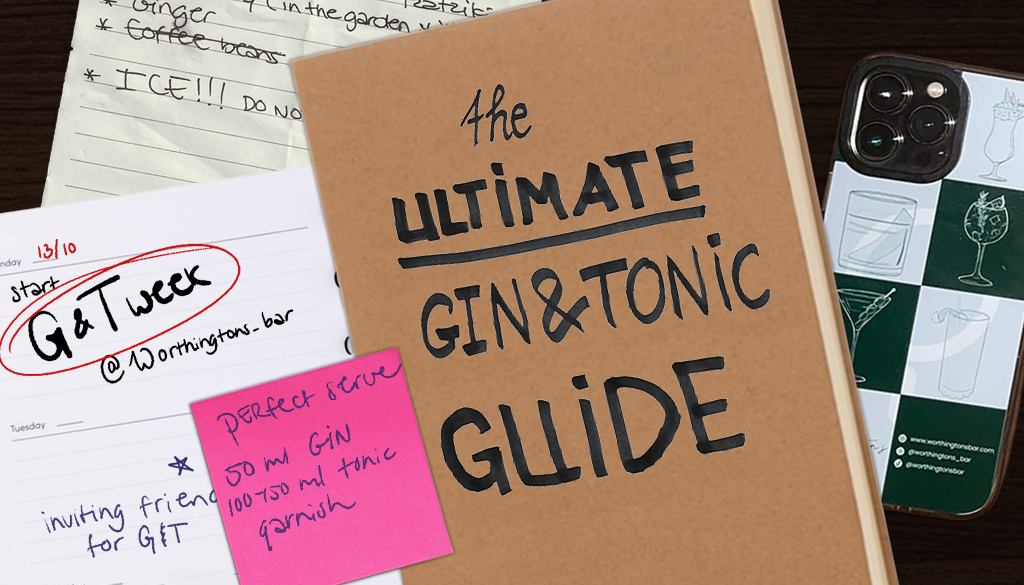
The Ultimate Gin & Tonic Guide
The Ultimate Gin & Tonic Guide: Best Gins, Tonics, Garnishes & How to Make the Perfect G&T Every Time
Everything You Need to Know About Gin & Tonic; The Drink That Never Goes Out of Style
Welcome to the Ultimate Gin & Tonic Guide, your one-stop destination for discovering the best gin and tonic combinations and learning how to make the perfect G&T at home.
💌 Meet Your New Obsession: The Gin & Tonic
Classic. Crisp. Effortlessly Cool.
Let’s get one thing straight: the gin & tonic is not just a drink—it’s a lifestyle. It’s the cocktail equivalent of white linen, killer sunglasses, and not texting your ex back. Whether you’re a gin newbie or a full-on botanical aficionado, there’s a reason the G&T continues to reign supreme in bars, on patios, and in the hearts of cocktail lovers everywhere.
Why This Guide is Your New Best Friend
This isn’t your average quick-read blog post. No babes—we’re going deep. This is your complete, no-BS guide to everything gin & tonic. From the different types of gin and tonic water, to ideal garnish combos, to why you should never (ever!) use crushed ice—we’ve got all your questions covered and even more. Think of it as your G&T bible, but make it cute.
We’ll also get into the history of the gin and tonic, the science of pairing flavors, and expert tips for building the ultimate cocktail at home. Basically? You’re about to become the friend who actually knows what they’re doing when they make that iconic crispy and bubbly drink.
🔍 What You’ll Learn in This Guide
Spoiler—There’s a Whole World Beyond “Just Gin & Tonic”
- What is gin? (And why it tastes like Christmas trees in the best way)
- The different types of gin (including the underrated ones)
- How to choose the perfect tonic water (because yes, it matters)
- What garnishes actually do (and which ones to skip)
- Our go-to flavor pairings that never miss
- How to make the perfect G&T at home (with flair)
- The most frequently asked questions—answered
- And bonus: our fave gin & tonic variations to try next
👀 Why You Should Bookmark This Post Right Now
Because There’s No One-Size-Fits-All G&T
The best part about a gin and tonic? It’s endlessly customizable. Whether you love it bold and bracing or soft and floral, there’s a perfect gin-tonic-garnish combo out there waiting for you. This guide will help you find your signature serve and tells you how to flex it confidently every time.
🕰️ The History of the Gin & Tonic
How the British Empire, Malaria, and Mixology Created a Global Icon
A Colonial Creation: The Gin & Tonic’s Imperial Origins
To understand the gin and tonic, you have to travel back to the 18th and 19th centuries, when the British Empire was expanding its reach across the globe, especially in tropical regions like India and Africa. These areas came with incredible heat, unfamiliar diseases, and one major killer: malaria.
The only known remedy? Quinine, a bitter compound extracted from the bark of the cinchona tree, indigenous to 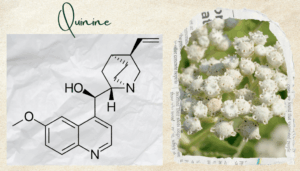 Peru. The quinine remedy worked, but the taste was so vile that soldiers and colonists often refused to take it. That was, until someone had the idea to mix it with soda water, sugar, and lime. This would turn out to be the first version of what would eventually become tonic water.
And since gin was already a favorite spirit among British troops, especially with the British Royal Navy (which had its own fascinating history with spirits like rum and gin), it was only natural to combine the two.
What began as a medicinal necessity quickly transformed into a daily ritual—and eventually, a cultural symbol.
Quinine & Tonic Water: The Medicine in the Mix
So, quinine was the main reason tonic existed at all. Because it was used as a malaria preventative, and thus consumed in high doses, it often caused unpleasant side effects like nausea or blurred vision. As far as we know, that is not happening anymore nowadays when tonic water is consumed ;). Probably because today’s tonic water contains far smaller, FDA-approved amounts that are completely safe (and mostly flavor-driven). And you know what? Quinine’s bitter note remains the signature taste of tonic water. It is actually what allows it to pair so beautifully with botanical-heavy gins.
As quinine-based tonic evolved, commercial brands began bottling it in the mid-19th century. Brands like Schweppes became household names, creating carbonated tonic water for wider audiences, including cocktail purposes.
Why Gin? A Spirit Born for Botanicals
So, adding gin wasn’t a random choice. Gin was already a staple in British drinking culture, having evolved from the Dutch spirit jenever, which British soldiers encountered during the Thirty Years’ War. By the time of the British Raj, gin was the go-to spirit for officers and the upper class.
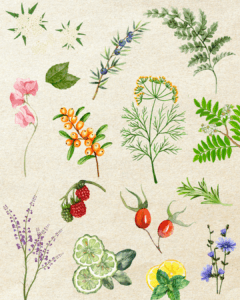
The gin’s herbal, floral, and citrus notes complemented tonic water’s bitterness in a way that no other spirit could. Add in a squeeze of lime (also used as a scurvy deterrent), and suddenly this malaria tonic became a refreshing, effervescent cocktail.
The G&T Takes Over: From Colonial Remedy to Global Classic
By the early 20th century, the gin and tonic had made its way from colonial outposts to fashionable bars across London. It gained popularity not just as a practical drink, but as an elegant highball associated with sophistication and refreshment.
During World War II and post-war years the gin and tonic kept its popularity. Especially in warm climates and among those who had lived or served abroad. The G&T popularity didn’t last. In the decades that followed, the G&T fell somewhat out of fashion, pushed aside by cocktails like the martini and whiskey sour.
Cue the craft cocktail revival of the 2000s and 2010s, and suddenly, the gin and tonic was back: stronger (and prettier) than ever. Bartenders and mixologists began experimenting with small-batch gins, flavored tonic waters, and luxurious garnishes, turning the simple gin and tonic into a high-end bar staple.
A Modern-Day Renaissance
Today, the gin and tonic is a global favorite and a prime canvas for creativity. With the rise of craft distilleries around the world, gin has become a spirit of endless experimentation. hink citrus-forward gins from California, floral gins from Japan, or spicy herbaceous gins from Spain. Pair those with artisanal tonics, and you’ve got a drink with endless personality.
And let’s not forget the aesthetic glow-up. A modern G&T isn’t just a drink. It’s an Instagram moment, often served in oversized balloon glasses, sparkling with ice, and topped with everything from fresh herbs to dehydrated fruit to edible flowers.
🧠 Did You Know? Fun Gin & Tonic History Facts
Before we dive into the full history of gin, here are some gin and tonic for you nerds.
- The British Navy issued gin as part of sailors’ daily rations well into the 20th century.
- Cinchona trees were so valuable that European powers literally fought over them during the 18th century.
- In WWII, British officers carried portable G&T kits to tropical postings—talk about priorities!
- The term “tonic” was a marketing genius, it made it sound like a health drink (which it kind of was).
🧬 What Is Gin? The Botanical Soul of Every G&T
If gin were a person, it would be the effortlessly cool one at the party: elegant, complex, and never trying too hard. But what exactly is gin, why does it pair so damn good with tonic, and why are there so many different types of gin?
Let’s break it down. Spoiler alert: it’s not just “flavored vodka” (how dare you even think that!). Gin has rules, personality, and centuries of drama to back it up.
What Makes a Spirit “Gin”?
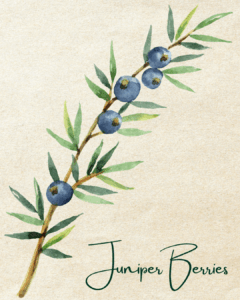
At its core, gin is a neutral grain spirit (basically unflavored alcohol) that gets redistilled with a blend of botanicals. One of those botanicals, by law, must be juniper berries.
And no, it’s not just a cute berry, it is the star of the show. Juniper brings that signature piney, fresh, and almost peppery flavor that screams “gin” and makes your G&T smell like a Mediterranean breeze with an attitude.
Other common, but not by law decided, botanicals include:
- Citrus peels (lemon, orange, grapefruit) – for zing and brightness
- Coriander seed – adds a subtle lemony spice
- Angelica root – earthy, grounding, slightly bitter
- Orris root – floral, powdery, almost perfume-like (aka the “glue” of gin, because of its binding aspects)
- Cardamom, cinnamon, or cassia – for warmth and spice
- Peppercorns or grains of paradise – for a fiery kick
- Herbs like rosemary, basil, lavender – a garden in your glass
And modern gins? They go wild. We’re talking everything from seaweed to saffron to truffle. It’s a botanical free-for-all — and we’re not mad about it.
A Quick Gin History (Because Booze With Backstory Is Better)
Gin’s origin story is anything but boring. It started as a Dutch medicinal liquor called jenever, made with juniper and used to “cure everything from kidney stones to heartbreak” (per our own research, this is not true 🙁). British soldiers fighting in the Low Countries in the 1600s caught wind of it, brought it home, and – boom – gin fever spread across England like wildfire.
While the Dutch used a mix of grain alcohol and malt wine to create jenever; the British used neutral alcohol which is aromatised with juniper berries.
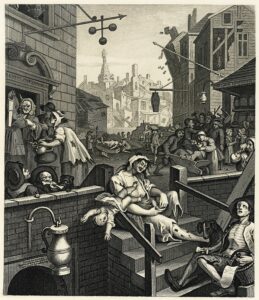
By the 18th century, things got real messy. We’re talking bathtub gin, public intoxication, and a government desperately trying to regulate the chaos. (Spoiler: they didn’t.) This era was literally called the Gin Craze. As the consumption increased rapidly in Great Britain, the phenomenon of “mothers ruin” arose. For the first time in history, women were allowed to drink gin alongside men. The story goes that this led many women to neglecting their children and turning to prostitution. We’re not really sure how one led to the other. So, the men who’d been drinking their own body weight in gin every night came up with “mother’s ruin.” We think they were just pressed that women could finally outdrink them and call them out on it. 🤷🏻♀️
Eventually, with better distilling methods and actual regulations, gin got a glow-up. By the 19th century, it was refined, crisp, and ready to be mixed with tonic water.
Today, gin is having a major renaissance. It’s not just the old-school London dry on your granddad’s shelf. It’s contemporary, diverse, and tailor-made for flavor exploration.
Types of Gin for Every G&T Mood
Let’s talk gin styles. Because not all gins are created equal, and choosing the right one for your gin and tonic can make or break the vibe.
🍋 London Dry Gin – The Icon
Crisp. Juniper-forward. No sweeteners. This is the OG style that defined what we now call a “classic” gin and tonic. Think: dry humor and sharp tailoring in a glass.
Perfect for: Citrus-lovers, classic G&T purists, minimalists with high standards
Famous picks: Tanqueray, Beefeater, Bombay Sapphire, Sipsmith
🌿 Plymouth Gin – Earthy and Unique
A little softer, a little rootier, and with a bit more body than London Dry. It’s also geographically protected, meaning a real Plymouth gin must be made in Plymouth, England.
Perfect for: Those who want a smoother G&T with depth and warmth
Fun fact: It was the gin of choice for the British Navy
🧁 Old Tom Gin – Sweet, Retro, Romantic
This style is a throwback to the 18th century. Slightly sweet, with rounder botanical notes. It bridges the gap between London Dry and jenever. It’s like gin with a vintage filter.
Perfect for: Cocktail nerds, fans of softer gin profiles, dessert G&T pairings
Delicious brands: Hayman’s, Ransom, Jensen’s
💐 New Western / Contemporary Gin – The Rebel
These gins don’t care about your juniper expectations. They put botanicals like lavender, cucumber, or hibiscus center stage. Expect floral, citrusy, spicy, even savory twists.
Perfect for: Creative spirits, Instagram-worthy cocktails, people who say “I don’t like gin” (until they try this)
Sexy options: Hendrick’s, Monkey 47, Roku, Gin Mare, Empress 1908
🔥 Navy Strength Gin – The Power Move
This gin comes in HOT. Bottled at 57% ABV (yep), it’s intense, aromatic, and designed to punch through tonic and garnishes like a champ.
Perfect for: Bold G&Ts, spice lovers, and anyone who wants their cocktail to bite back
Go-to bottles: Sipsmith V.J.O.P., Perry’s Tot, Navy Strength Plymouth
🇳🇱 Dutch Dry Gin – The Local Legend (aka: It’s Probably in Our Blood)
Dutch Dry Gin walks the line between heritage and hipster — think jenever’s cooler, more refined cousin who studied abroad and came back with stories. It’s got warmth, spice, and a splash of citrus, perfectly balanced for G&T greatness.
We might be biased, but we swear Dutch gin just hits different. Maybe it’s the craftsmanship. Maybe it’s the water. Or maybe it’s just… in our DNA. Either way, we’ll proudly raise a glass to that.
Perfect for: Curious drinkers, citrus-and-spice lovers, and anyone who likes their gin with a side of national pride
Famous Dutch legends: Rutte Dry Gin, Bobby’s Schiedam Dry Gin, Damrak Gin
🧠 Gin vs Vodka – Know the Difference
Still thinking gin is just fancy vodka? We’re a little disappointed in you, but here’s the tea anyway:
- Vodka = neutral, clean, flavorless (on purpose)
- Gin = infused with botanicals, full of personality
Gin is vodka’s opinionated cousin — the one who’s been abroad, listens to indie jazz, and judges your ice cubes. If vodka is a blank canvas, gin is an art installation.
Don’t forget, okay?
🍸 How to Pick the Right Gin for Your G&T
Now for the real talk: how to choose? ‘Cause we get it – you’re stressing just from seeing all of the options. Let’s break it down:
- For a bright, citrusy G&T: Go with a London Dry + Indian tonic + lemon twist
- For something herbaceous and elegant: Try Gin Mare + Mediterranean tonic + rosemary & olive
- Want to impress someone? Do Empress 1908 + elderflower tonic + grapefruit peel
- Feeling like a badass? Navy Strength + dry tonic + lime wedge + sip responsibly
🫧 The Tonic Water Breakdown: Why the Mixer Matters Just as Much
You’ve got your gin. It’s fabulous. Botanical. Bold. But if you’re pouring just any tonic water over it, babe… we need to talk. Because tonic water is not just sparkling filler. It’s the co-star of your G&T, and it can either elevate the drink to art… or make it taste like floor cleaner.
We’ve broken down what tonic really is, now it’s time to explore the types you’ll find on shelves, what to pair with what, and why you should never sleep on your mixer.
The Main Types of Tonic Water
1. Classic Indian Tonic Water
This is the standard bearer: balanced sweetness, a solid hit of quinine, and sharp carbonation. It’s what most people picture when they hear “tonic.”
Best with: London Dry gins, juniper-forward styles, citrusy garnishes
Top picks: Fever-Tree, Schweppes, Fentimans
2. Light or “Naturally Light” Tonic
Same as above, but less sugar (and sometimes calories). The good ones still taste clean and zippy without the syrupy feel.
Best with: Floral or contemporary gins that don’t need extra sweetness
Top picks: Fever-Tree Light, Double Dutch Skinny Tonic, Fentimans Naturally Light
3. Mediterranean Tonic Water
Flavored with herbs like rosemary and thyme, it’s softer on quinine and heavier on botanical vibes. Think garden party in the south of France.
Best with: Sir Edmond’s, Gin Mare, gins with olive or basil notes
Top picks: Fever-Tree Mediterranean, Lixir Herbal Tonic
4. Citrus Tonic
Bright, zesty, and citrus-heavy. These are great when you want your G&T to taste like summer in a glass.
Best with: Gins with grapefruit, lemon, or yuzu botanicals
Top picks: Fentimans Valencian Orange, Franklin & Sons Sicilian Lemon, London Essence Grapefruit & Rosemary, Fentimans Oriental Yuzu
5. Elderflower Tonic
Floral and slightly sweet, this is a crowd-pleaser with romantic vibes. It pairs beautifully with contemporary gins or fruity infusions.
Best with: Hendrick’s, Monkey 47, Empress 1908 or any gin that makes you feel cute
Top picks: Fever-Tree Elderflower, Lamb & Watt Elderflower, Fentimans Elderflower
6. Aromatic or Spiced Tonic
These are deeper, slightly more bitter, sometimes with warm spices or clove-like undertones. Think complex, cozy G&Ts.
Best with: Navy strength gins, gins with baking spice notes, or dark garnishes like cinnamon and star anise
Top picks: Schweppes Pink Pepper, Double Dutch Spiced Tonic
Tonic Pairing Tips – Match Like a Pro
If gin is the flavor, tonic is the amplifier. The goal is to complement, not clash. Here’s how to pair like a mixologist:
|
Gin Style |
Tonic Type |
Why It Works |
|
London Dry |
Indian or Light Tonic |
Keeps the juniper clean and classic |
|
Contemporary Floral |
Elderflower or Light Tonic |
Enhances botanical notes without overpowering |
|
Citrus-Heavy Gin |
Citrus or Mediterranean Tonic |
Bright, vibrant, summery pairing |
|
Herbal Gin |
Mediterranean Tonic |
Plays off those savory, herbaceous notes |
|
Navy Strength |
Aromatic or Indian Tonic |
Holds up to high ABV, adds richness |
|
Old Tom |
Elderflower or Spiced Tonic |
Accentuates sweetness, brings warmth |
Tonic Water Mistakes to Avoid
Let’s make sure your G&T game stays strong, so remember these:
- ❌ Using flat tonic: No fizz = no fun. Always use fresh, cold tonic from a newly opened bottle or can.
- ❌ Overpouring tonic: You’re drinking gin and tonic, not tonic and gin. Aim for a 1:2 or 1:3 ratio, depending on strength.
- ❌ Ignoring sugar content: Some tonics are super sweet and can drown your gin. If your gin is delicate, go for light or dry tonic.
- ❌ Not tasting first: Try your gin and tonic separately before garnishing to make sure the flavors actually vibe.
The Garnish Game: How to Dress Your G&T Like It’s Going to the Met Gala
A gin and tonic isn’t just about what’s in the glass. It’s about what’s on top. A thoughtful garnish does more than make your drink pretty; it enhances aroma, complements the botanicals in the gin, and can totally change the vibe of your G&T. This is your guide to garnishes that slaaaaaay
Why Garnishes Matter (No, It’s Not Just for Instagram)
Think of garnishes as the final accessory on a great outfit – they tie everything together. But instead of pearls or sunglasses, we’re talking citrus oils, herbal notes, and fragrant spices that hit your nose before the first sip.
- Aromatics: Garnishes release essential oils and aromas that prep your senses.
- Balance: The right garnish can brighten or mellow the overall profile.
- Pairing Power: They help highlight or contrast with the gin’s botanicals.
So yes, your lime wheel looks cute on that Instagram photo,but it’s also doing important work.
Classic Citrus Garnishes (The OGs)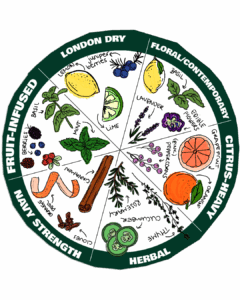
🍋🟩Lime
Sharp and zesty. Lime is the go-to garnish for a reason since it cuts through the bitterness of tonic and accentuates gin’s brightness.
Best for: London Dry, Navy Strength, juniper-forward gins.
🍊 Orange
Softer and sweeter than lime. Orange adds a rounder, slightly spiced citrus note.
Best for: Old Tom gin, citrus-forward gins, Mediterranean tonics.
🍋 Lemon
Crisp and clean. Lemon brightens and sharpens delicate floral gins without overpowering them.
Best for: Light-bodied gins, especially with elderflower or light tonic.
🟠 Grapefruit
Bold, bitter, and super aromatic. Grapefruit has big energy, so use it with intention.
Best for: Gins with citrus or spice, grapefruit tonics, herbaceous gins or elderflower tonics.
Herbal Garnishes (For That Garden-Chic Feel)
🌿 Rosemary
Strong, piney, and earthy—rosemary adds drama and depth. Smack it gently before adding it to your drink to release oils.
Best for: Mediterranean gins, gins with thyme, olive, or savory botanicals.
🌱 Basil
Sweet, peppery, and unexpectedly refreshing. Basil brings a fresh, summery twist.
Best for: Floral or cucumber gins, citrus tonics.
🌿 Mint
Cooling and vibrant, mint freshens up heavier or sweeter gins. Great for hot days and big glasses.
Best for: Fruity gins, berry-infused or flavored tonics.
Edgy & Unexpected Garnishes (Because You’re Not Basic)
🫐 Juniper Berries
Add a few whole berries for visual flair and a subtle aroma. It’s like bringing the gin full circle (you know, because gin must contain juniper berries).
🧂 Pink Peppercorns
Spicy and floral, these little pink powerballs add visual pop and a light heat.
Pro tip: Pair with citrus gins and grapefruit tonic.
🥒 Cucumber Ribbon or Twirl
Cool, crisp, and refreshing. Don’t just slice it, peel the cucumber into long ribbons for max surface area and drama. If you want it a little more sophisticated, go for a twirl. In this video Joy shows you exactly how to twirl a cucumber.
Perfect for: Hendrick’s, herbal gins, or any “spa day” G&T.
🌸 Edible Flowers
Violets, orange blossoms, jasmine or rose buds. Honestly, whatever’s edible and beautiful. Pure aesthetic goals.
Best for: Instagram. But also: delicate or floral gins.
Garnish Pairing Cheat Sheet
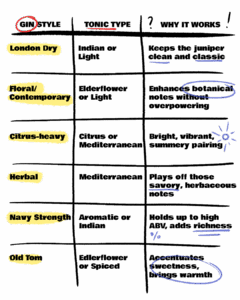
🍸 Gin & Tonic Pairing Guide: Matchmaking Botanicals and Bubbles Like a Pro
Sure, gin and tonic is a simple two-ingredient cocktail. But when you realize there are dozens of gin styles and a whole jungle of tonic flavors, the possibilities explode—in a good way. The magic happens when you understand how to pair your gin and tonic water intentionally, based on their flavor profiles.
This is where we turn your casual G&T into a curated experience.
The Basic Formula (It’s Not Just Gin + Tonic)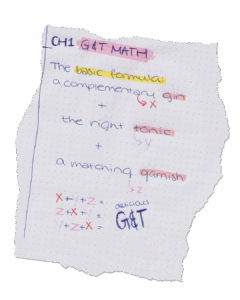
A well-balanced gin and tonic =
a complementary gin + the right tonic + a matching garnish.
The goal? To elevate the gin’s botanicals and let the tonic support the show, not steal it.
Use this simple formula to build your own perfect combo:
- Pick your base: What kind of gin do you like? Juniper-heavy, citrusy, floral, earthy?
- Match the tonic: Is your gin delicate? Go for light or Mediterranean. Strong and punchy? Try Indian or Aromatic.
- Choose your garnish: Think in flavor families — match citrus with citrus, herbs with herbs, or contrast with spice.
💡 Pro tip: Start small. Split a G&T with a friend and try it with two different garnishes or tonics. Discover what makes your taste buds dance.
London Dry Gin Pairings (Juniper-Heavy Classics)
What to expect: Bold juniper, citrus, coriander, maybe a little spice. Think Tanqueray, Beefeater, Bombay Sapphire or Gordon’s.
Perfect Tonics:
- Classic Indian Tonic (Fever-Tree, Fentimans, or Schweppes Premium)
- Aromatic tonics (Fever-Tree or Fentimans) for warmth and complexity
Garnishes:
- Lime wedge (fresh and zesty)
- Juniper berries (emphasizes botanicals)
- Lemon twist (crisp and clean)
Why it works: These gins are structured and dry, so they love a straightforward tonic with bite. You want to highlight, not soften.
Contemporary/Floral Gin Pairings (Soft & Pretty)
What to expect: Rose, lavender, hibiscus, cucumber—less juniper, more garden fairy vibes. Think Hendrick’s, The Botanist or Empress 1908.
Perfect Tonics:
- Elderflower tonic
- Mediterranean tonic
- Cucumber or hibiscus-toned tonics
Garnishes:
- Cucumber ribbon (ultra-refreshing)
- Edible flowers (go wild!)
- Basil or mint (adds fresh layers)
Why it works: These gins are delicate. You want a tonic that lifts the botanicals without overpowering them.
Citrus-Forward Gin Pairings (Bright & Zingy)
What to expect: Big lemon, orange, grapefruit energy. Think Malfy Con Limone, Tanqueray Flor de Sevilla, Black Forest Wild or Citadelle.
Perfect Tonics:
- Grapefruit tonic
- Mediterranean tonic
- Citrus-infused tonic
Garnishes:
- Grapefruit wedge or peel
- Orange slice
- Pink peppercorns (for a spicy twist)
- Rosemary sprig
Why it works: You’re playing into the citrus-forward profile here. Amplify those bright notes with complementary tonic and garnishes.
Herbal Gins (Earthy & Green)
What to expect: Sage, thyme, rosemary, and forest floor vibes. Think Gin Mare, Monkey 47, or other botanical-rich gins.
Perfect Tonics:
- Mediterranean tonic (herby and savory)
- Light tonic (so you don’t overpower the complexity)
- Olive or salty tonic for a twist (yes, it’s a thing)
Garnishes:
- Rosemary sprig (smack it to release oils!)
- Thyme
- Cucumber or olive
Why it works: These gins are complex. The tonic needs to support, not compete. Mediterranean tonic plays beautifully here.
Navy Strength Gin (Brace Yourself)
What to expect: High ABV, intense juniper and citrus, with major backbone. Think Plymouth Navy Strength or Four Pillars Navy.
Perfect Tonics:
- Classic Indian tonic (balanced and strong)
- Aromatic tonic (adds spice depth)
- Light tonic (if you want to tone it down slightly)
Garnishes:
- Orange peel
- Clove (sparingly)
- Dehydrated citrus wheel (for slow-release aroma)
Why it works: These gins are aggressive. You need a tonic that can hold its own. Avoid delicate floral ones—they’ll get lost.
Fruity Gins & Infused Variants
What to expect: Flavored with berries, tropical fruit, rhubarb, etc. Think pink gins (Gordon’s), berry gins (Bombay Bramble), or artisanal craft infusions.
Perfect Tonics:
- Elderflower tonic
- Aromatic tonic
- Light tonic (so the fruit can shine)
Garnishes:
- Berries (strawberries, raspberries, blueberries, etc.)
- Mint
- Orange peel or lime
Why it works: These gins already pack flavor, so pick a tonic that plays nice. Avoid heavy bitter tonics—they clash with sweet.
Pro Tips for Pairing Like a Bartender
- Taste separately first. Try the gin and the tonic on their own before pairing. You’ll get a feel for how strong or subtle they are.
- Don’t be afraid to experiment. Mix and match. You’re not locked into one combo forever.
- Use quality tonic. If you splurge on gin, don’t ruin it with cheap tonic that tastes like soda water and regret.
- Keep it cold. Gin and tonics are best ice-cold, and tonic loses fizz fast when warm. Chill everything.
Glassware & Ice — Because the Vessel Matters
Sure, you could drink a gin and tonic out of a coffee mug… but why would you, when glassware can make or break the entire experience? The shape of your glass changes how aromas hit your nose, how long your ice lasts, and how your garnishes shine. And let’s be honest: half the fun is the aesthetic.
Below are the top-tier glassware options for gin & tonic lovers, from the classics to the cocktail-cool alternatives.
The Balloon Glass — The Drama Queen of G&T Glassware
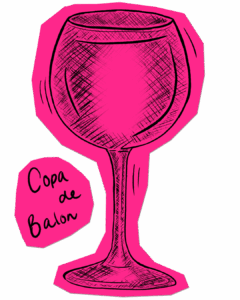
Also called a Copa de Balon, this wide, rounded glass was basically born for gin and tonic. It’s got flair. It’s got room. And it looks like it belongs on a rooftop terrace in Barcelona at golden hour.
🍃 Why It’s Perfect for G&Ts:
- The large, balloon-shaped bowl traps and enhances botanicals.
- Tons of space for ice and garnishes = elevated aroma and aesthetics.
- Designed for slow sipping and long drinks.
✅ Best for:
- Floral or citrusy gins that benefit from extra room to bloom.
- When you want your G&T to smell as good as it tastes.
- Heavily garnished cocktails with herbs, fruit peels, berries, or spices.
- That Instagram-worthy, “I make incredible cocktails at home” moment.
💡 Pro tip: Fill it with ice all the way to the top. This helps slow dilution and keeps your drink colder, longer. Yes, more ice actually means less water in your drink over time. Remember that for your next coffee order 😉.
So the balloon glass is effortlessly chic. It is your go-to when you want to impress, wherever you’re hosting a summer garden party of just feeling fancy on a Tuesday.
The Highball Glass — Sleek, Simple, and Always Reliable
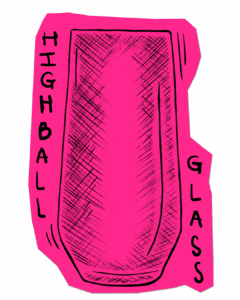
The highball is the workhorse of G&T glassware. Tall and lean, it’s designed to keep your carbonation intact and your drink refreshing. Think of it as the minimalistic counterpart to the dramatic balloon glass.
🧊 Why It Works:
- Narrow build preserves tonic bubbles for longer fizz.
- The vertical shape helps layer ice and ingredients cleanly.
- Feels balanced and easy to hold, even one-handed (for multitasking with snacks or selfies).
✅ Best for:
- Classic gins with juniper-forward profiles.
- Everyday G&Ts that are crisp, simple, and refreshing.
- Anyone who prefers their garnishes subtle and streamlined—think lime wedge or cucumber ribbon.
💡 Pro tip: Use tall, rectangular ice cubes if you can. They melt slower and look sleek AF.
The highball glass is clean, cool, and a little understated. It says “I care about good drinks,” but also “I didn’t try too hard.” And honestly? That’s kind of the sweet spot.
The Double Rocks Glass — Short, Strong, and Low-Key Sexy
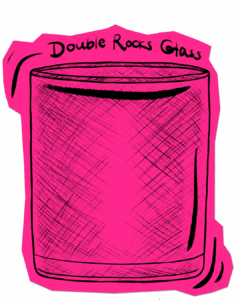
This glass might not be the first choice for a G&T, but it brings something extra when used right. Short, bold, and unapologetically sturdy, the double rocks glass (aka lowball or old fashioned glass) makes a statement.
💪 Why It Works:
- Its compact size means less tonic, more intensity.
- Thick base keeps your drink cold without rushing the melt.
- Perfect for showcasing a bold gin or playing with intense garnishes.
✅ Best for:
- Concentrated G&Ts with a strong flavor profile.
- Sipping-style gin drinks that don’t rely on a ton of tonic.
- Garnishes that pack a punch—like smoked rosemary, cracked pepper, or flamed citrus peel.
💡 Pro tip: Skip crushed ice. Instead, go for one big cube or sphere to maximize chill while minimizing dilution.
The double rocks glass is intimate, bold and just a little rebellious. Great for moody evenings, dim lights, and sipping slowly while your playlist does the talking.
The Ice Factor — Don’t Skimp on the Chill
No matter which glass you choose, ice matters more than you think. The more ice, the slower it melts—counterintuitive, but true.
🔹 Pro Tips for Ice:
- Crystal-clear ice always wins. It looks amazing and melts slower than cloudy cubes.
- Fill the glass—this isn’t the time to be dainty.
If possible, use specialty shapes like large cubes, spheres, or tall sticks for better chill and zero watered-down nonsense.
Our Top Gin & Tonic Combinations: From Classic to Creative
Welcome to the heart of our ultimate gin & tonic guide. Here, we explore our favorite G&T recipes, from crisp, classic serves to bold, inventive flavor adventures. Whether you’re a purist who loves the sharp simplicity of London Dry or a fearless explorer chasing unexpected botanicals, we’ve got a gin and tonic for every mood — and a few playful surprises along the way. Each combination has been carefully curated, tested, and perfected in our home bar, so you know it’s worth sipping slowly, savoring each layer of flavor, and maybe even debating the garnish with a friend or two.
1. Gordon’s & Schweppes: The Classic G&T
 This classic G&T recipe is everything a classic should be — crisp, clean, and impossibly drinkable. The juniper-forward Gordon’s London Dry Gin brings that signature piney aroma, while Schweppes Tonic provides the sharp, refreshing bitterness that makes a G&T feel like a proper highball in your hand.
We love it served with a fresh lime wedge, which cuts through the subtle sweetness of the gin and leaves a light, satisfying finish. This is the perfect gin and tonic for beginners, citrus lovers, and anyone who appreciates a reliable, no-frills cocktail.
Check out our Gordon’s & Schweppes recipe for the full guide to this classic serve.
2. Bombay Sapphire & Fever-Tree Indian Tonic: Aromatic and Elegant
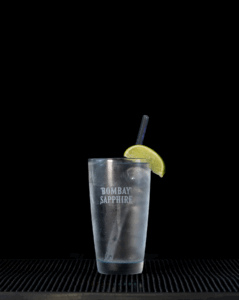
Bombay Sapphire’s 10 botanicals shine here — particularly coriander, angelica, and lemon peel — giving this G&T a floral, slightly spicy complexity that pairs beautifully with the quinine bite of Fever-Tree Indian Tonic.
It’s a G&T for the adventurer who loves easy gin and tonic recipes but craves subtle layers of intrigue. Served with a lemon twist, it brightens the botanicals and creates a cocktail that smells as exciting as it tastes.
Check our Bombay Sapphire G&T recipe to master this aromatic and elegant serve.
3. Hendrick’s & Fever-Tree Tonic: Quirky and Playful
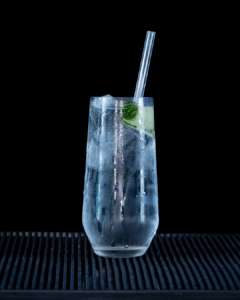
Hendrick’s unique cucumber and rose infusion turns this serve into more than a cocktail — it’s an experience. The Fever-Tree Tonic doubles down on the freshness, creating a glass that smells like a summer garden in full bloom.
It’s smooth, aromatic, and quirky enough to make you smile with every sip. Garnish with cucumber ribbons and mint for a cocktail that’s as visually delightful as it is refreshing. Perfect for home bar cocktails that impress friends.
Check out our full Hendrick’s & Fever-Tree Tonic recipe here.
4. Rutte Kaffir Lime & Fever-Tree Indian Tonic: Bright Dutch Citrus
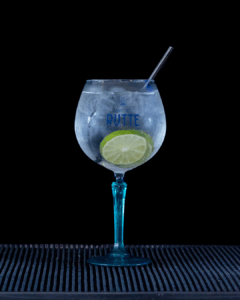
Rutte’s gin is bright and citrus-forward, with kaffir lime bringing a fragrant, zesty punch that makes the tonic sing. This Dutch gin G&T feels like sunshine in a glass — crisp, lively, and with just enough complexity to keep your taste buds guessing.
We like it served with a twist of lime or a kaffir leaf. There’s a little bit of our Dutch roots in every sip — probably in our blood anyway!
See the Rutte Kaffir Lime G&T recipe for how to nail this flavorful, aromatic serve.
5. The Goeie Mie Gin & Tonic: Subtle and Balanced
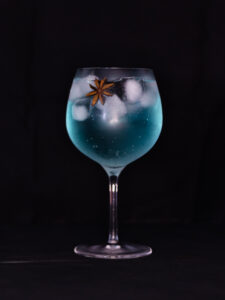
This home bar favorite is all about balance and subtlety. The gin carries delicate floral notes, lightly sweet, and perfectly balanced against a crisp tonic.
Garnishes — orange zest, berries, or thyme — elevate it into something really special. It’s a cocktail that invites conversation: sip, pause, debate the garnish.
Check our Goeie Mie G&T recipe for full details on creating this approachable yet nuanced drink.
6. Black Forest Wild Gin & Fever-Tree Tonic: Dark and Aromatic
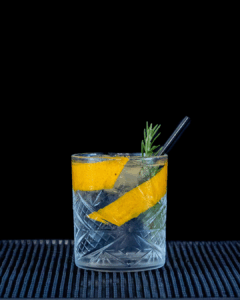
Black Forest Wild Gin’s forest berry notes and subtle spice combine with tonic’s quinine edge to create a serve that’s rich, aromatic, and slightly mysterious.
We recommend adding a few berries or a twist of lemon peel to enhance its depth. Perfect for contemplative drinkers and those exploring creative gin and tonic recipes.
See our Black Forest Wild Gin & Fever-Tree Mediterranean Tonic recipe for tips on making this G&T shine.
7. Bobby’s Pinang Raci & Fever-Tree Tonic: Exotic and Spiced
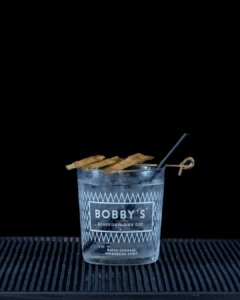
Cloves, nutmeg, and citrus peel dominate, giving this G&T a warm, inviting flavor profile perfect for those who like their cocktails a little more exotic.
The tonic keeps it lively, while a twist of lime or orange adds a bright counterpoint to the spice. Ideal for home bartenders looking for adventurous G&T recipes.
Check out our Bobby’s Pinang Raci & Fever-Tree Indian Tonic G&T recipe to mix this at home.
8. Empress 1908 & Fever-Tree Elderflower: Floral and Instagrammable
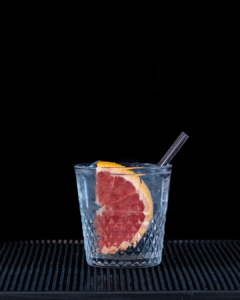
The vibrant indigo color alone is reason enough to sip, but the flavor delivers too — light, floral, and just slightly sweet, with elderflower tonic enhancing the gin’s natural botanical complexity.
A twist of lemon or a few edible flowers turns this G&T into a visual delight. Perfect for instagrammable cocktails or elegant home bar serves.
Follow our Empress 1908 & Fever-Tree Elderflower Tonic recipe to make this showstopper.
9. Sir Edmond’s Gin & Valencian Orange Tonic: The Grand Finale
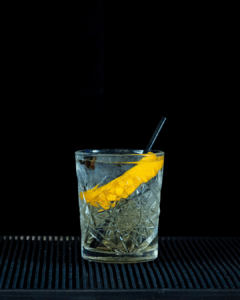
The bourbon vanilla-infused gin, with warming notes of cardamom, cinnamon, and ginger, pairs beautifully with the citrus-forward Valencian Orange Tonic. The result is aromatic, balanced, and indulgent.
Coffee beans and orange peel as garnish add depth, making this a serve that lingers in memory. Whether it’s the story behind the gin, the tropical inspiration from Réunion Island, or just the flawless harmony of vanilla and citrus, this is our ultimate gin and tonic recipe.
Check the full Sir Edmond’s Gin & Fentimans Valencian Orange Tonic G&T recipe for the perfect serve.
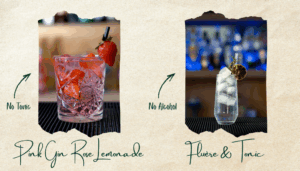
Bonus 1: Pink Gin & Rose Lemonade: Sweet and Refreshing
If you prefer to skip the bitterness of tonic, Pink Gin & Rose Lemonade is a bright, floral alternative. Perfect for warm days, garden parties, or just a cheerful home bar treat. Garnish with a slice of lemon or edible petals for a fun twist. Full Pink Gin & Rose Lemonade recipe here.
Bonus 2: Fluère Non-Alcoholic & Fever-Tree Light: Sophisticated Without Booze
For non-alcoholic sippers, the Fluère & Fever-Tree Light G&T delivers delicate botanicals with crisp, low-calorie tonic. It offers the ritual and flavor of a classic G&T without alcohol — ideal for brunch, sunny afternoons, or mindful sipping. Check our Fluère Non-Alcoholic recipe to make this refreshing serve.
Seasonal Gin & Tonics (Because Your Drink Deserves a Wardrobe Too)
Spring/Summer
- Strawberry & Basil G&T: Muddle a couple of strawberries, add gin and light tonic, garnish with fresh basil. Sweet, herbal, and sunshine in a glass.
- Cucumber & Mint G&T: Clean, crisp, and ultra-refreshing. Works beautifully with floral gins like Hendrick’s.
- Watermelon G&T: Add a splash of watermelon juice, top with tonic, and garnish with lime. Pair with a citrus-forward gin.
Autumn/Winter
- Apple & Rosemary G&T: Use a London Dry gin, tonic water, thin apple slices, and a rosemary sprig. Elegant and cozy.
- Cinnamon & Orange G&T: Warm spices meet zesty citrus. Add a cinnamon stick, orange peel, and use a spiced or navy strength gin.
- Cranberry G&T: Perfect for the holidays. Use cranberry juice (or muddled cranberries), classic tonic, and a rosemary sprig.
Spicy Gin & Tonics (For the Adventurous Palate)
Spice lovers, rejoice! These combos bring the heat (and balance it beautifully).
- Pink Peppercorn G&T: Drop in a few crushed pink peppercorns and a grapefruit slice. Works well with herbaceous gins.
- Chili G&T: Add a thin chili slice for a sharp kick. Best with citrus or dry gins. Warning: spice level increases the longer it sits.
- Ginger G&T: Add a splash of ginger syrup or garnish with candied ginger. Pairs great with earthy or floral gins.
Sweet & Fruity G&T Variations (No Judgment Zone)
Sometimes you just want something easy and fun—no one’s mad about it.
- Elderflower G&T: Add a dash of elderflower cordial or use an elderflower tonic. Perfect for floral gins and day drinking.
- Raspberry G&T: Muddle a few fresh raspberries. Great with berry gins or pink gin.
- Peach G&T: Add peach slices or a splash of peach syrup. Total summer vibes.
Bubbly Twists: Sparkling Wine + Gin & Tonic
Yes, you can add bubbles on bubbles. Gin + tonic + a splash of prosecco = chef’s kiss.
- French 75-Inspired G&T: Use lemony gin, tonic, and a float of sparkling wine. Garnish with a lemon twist.
- Rosé Spritz G&T: Pink gin, light tonic, splash of rosé wine. Add strawberries and mint.
Ice Upgrades That Make a Difference
Your ice is not just frozen water. It’s part of the presentation and flavor delivery system.
- Citrus Ice Cubes: Freeze lime or orange slices into your ice trays. Pretty and practical.
- Herb-Infused Ice: Freeze rosemary, thyme, or mint into cubes. Adds subtle flavor as it melts.
- Berry Cubes: Freeze raspberries or blueberries in ice to amp up fruity gins.
Pro Tips for Customizing G&Ts
- Use tall, narrow glasses (like a highball or copa de balón) to preserve carbonation and concentrate aromas.
- Add tonic slowly down the side of the glass to avoid killing the fizz.
- Taste-test everything. One person’s “delicate floral note” is another’s “soapy disaster.”
- Less is more with garnishes. You want balance, not a botanical explosion.
The Golden Rule
Start with your gin. Let its profile guide you and then pick a tonic and garnish that complements (or playfully contrasts) the gin’s core flavors.
Gin & tonics may be simple, but when done right, they’re simply unforgettable.
How to Build the Perfect Gin & Tonic (Step-by-Step)
A great gin and tonic isn’t just about tossing gin into a glass and topping it with tonic water. It’s a ritual — a little moment of art and science in your own home bar. When done right, it’s crisp, refreshing, and perfectly balanced. When done wrong… well, let’s just say you’ll taste the regret.
Here’s how to craft the ultimate G&T like a pro.
🥶 Step 1: Start Cold — Like, Really Cold
The enemy of a great gin and tonic? Melted ice and flat tonic.
Before you even think about pouring, make sure:
- Your gin bottle has been stored in a cool place (some keep it in the freezer for extra chill).
- Your tonic water is ice-cold straight from the fridge.
Cold tonic holds its fizz longer, which means more of that refreshing sparkle in every sip.
🧊 Step 2: Fill Your Glass to the Brim with Ice
The more ice, the slower it melts — counterintuitive, but true. Fill your balloon glass, highball, or double rocks glass right to the top.
Why? Ice not only keeps your drink colder but also stops dilution from ruining that beautiful gin-to-tonic balance.
🍸 Step 3: Pour the Gin First
Whether you’re going for a classic London Dry, a floral gin, or something bold and spicy, always pour your gin before the tonic. This ensures you can appreciate the aroma and gives you control over the ratio.
Pro tip: Most gin and tonic lovers swear by a 1:2 or 1:3 ratio (one part gin to two or three parts tonic), but if you’re feeling extra spirited, adjust to taste.
💦 Step 4: Add the Tonic Gently
Here’s where many people go wrong — don’t just dump it in!
Hold your spoon in the glass and let the tonic water glide down the back of it, or pour slowly along the side of the glass. This preserves those tiny bubbles, keeping your drink lively for longer.
🌿 Step 5: Garnish with Purpose
A garnish isn’t just decoration — it’s an essential part of your G&T flavor profile.
- Citrus lovers: Try a wheel of lime, lemon, or pink grapefruit.
- Herbal fans: Rosemary sprigs, thyme, or basil for a fragrant twist.
- Adventurous drinkers: Pink peppercorns, cucumber ribbons, or fresh berries.
🥂 Step 6: Give It a Gentle Stir — and Sip Immediately
One quick, gentle stir is all it needs. This helps the gin and tonic mingle without killing the bubbles. Then, take that first sip and enjoy the crisp, refreshing perfection you just created.
If you follow these steps, you’re not just making a gin and tonic — you’re building a mini masterpiece in a glass.
Low-Alcohol and No-Alcohol G&T Options
For the sober-curious, light drinkers, or anyone who just wants to keep the party going without losing the plot.
Not every gin and tonic has to pack a boozy punch. Whether you’re pacing yourself, cutting back, or going alcohol-free, there are fantastic options out there that still give you all the flavor and ritual of the classic G&T — without the morning-after regret.
Why Choose Low or No-Alcohol G&Ts?
- Mindful drinking: Enjoy the social side without overindulging.
- Hydration and health: Less alcohol means your body stays happier longer.
- Creative flavors: Many non-alcoholic gins offer bold botanical blends you won’t find in traditional spirits.
Best Low-Alcohol G&T Strategies
- Half-and-Half Method: Use half your usual gin measure, top up with extra tonic or soda water.
- Session Gins: Try gins with a naturally lower ABV (20–30%) that still deliver botanical complexity. If you’re EU-based this might be a bit harder to find, because gin should, by law, be 37.5% alcohol.
- Flavored Tonics: Pair a smaller gin pour with a vibrant flavored tonic so you don’t miss the taste.
Best Non-Alcoholic Gins
These brands prove you don’t need alcohol for a great G&T experience:
- Fluère Botanical Blend: floral, crisp and citrus forward.
- Seedlip Garden 108: Herbal, green, and crisp — perfect with elderflower tonic.
- Ceder’s Crisp: Juniper-forward with cucumber and chamomile notes.
- Monday Gin: Classic London Dry profile without the buzz.
- Lyre’s Dry London Spirit: Traditional, juniper-heavy, and ideal with a twist of lemon.
- Everleaf Mountain: Floral and fruity — great for summer G&Ts.
Best Low-Cal Tonics
A great tonic is just as important as the “gin” in your glass:
- Fever-Tree Refreshingly Light: Same taste, fewer calories.
- Double Dutch Skinny Tonic: Crisp and clean with no lingering sweetness.
- Luscombe Grapefruit Tonic: Adds a bright citrus edge.
💡 Pro Tip:
Dress your low/no-alcohol G&T the same way you would a full-strength one. Use big ice cubes, fresh garnishes, and a beautiful glass. The ritual is part of the magic.
🛠 Troubleshooting Your G&T
Why It Might Taste Bitter, Flat, or Unbalanced — and How to Fix It Fast
Even the simplest cocktails can go sideways — and the gin and tonic is no exception. If yours isn’t singing with crisp, botanical freshness, don’t panic! Here’s how to diagnose the problem and rescue it before you give up and pour wine instead.
- “It’s way too bitter!”
The Culprit:
- Overly bitter tonic water (some brands are heavier on quinine than others)
- Too much citrus peel pith in your garnish
- Using a gin that’s already bitter-heavy (lots of earthy botanicals)
Quick Fixes:
- Add a splash of soda water to dilute the bitterness.
- Switch to a Mediterranean or elderflower tonic to round out the flavor.
- Use a fruitier garnish like orange or fresh berries instead of lemon peel.
- “It tastes flat… where’s the sparkle?”
The Culprit:
- Tonic water that’s been open too long (fizz fades fast)
- Adding tonic too early and letting it sit
- Not enough ice (yes, ice helps keep carbonation lively)
Quick Fixes:
- Always use freshly opened tonic — single-serve bottles or cans are best.
- Pour tonic last, right before serving.
- Fill the glass with ice all the way to the top for maximum fizz retention.
- “It feels unbalanced — too much gin, too much tonic, or just off.”
The Culprit:
- Wrong ratio for your gin’s flavor profile
- Overpowering tonic drowning the botanicals
- Too many competing garnishes (yes, there is such a thing)
Quick Fixes:
- Start with a 1:2 gin-to-tonic ratio, then tweak.
- If your gin is light and floral, use a delicate tonic. If bold and juniper-heavy, use a more robust tonic.
- Keep garnishes to 1–2 complementary elements.
- “It’s watery and weak.”
The Culprit:
- Melted ice from building your drink too slowly
- Using small ice cubes that melt fast
- Overdilution from too much tonic water
Quick Fixes:
- Build your drink quickly and serve immediately.
- Use large-format ice cubes or spheres to slow melting.
- Stick to the proper ratio — more tonic doesn’t always mean better.
💡 Pro Tip:
Treat your G&T like a diva — it wants fresh ingredients, perfect proportions, and to be enjoyed while it’s still sparkling with life.
✨ Final Thoughts: Your Perfect G&T Awaits
The gin and tonic’s magic lies in its simplicity. Just two core ingredients, yet endless ways to make it your own. Whether you prefer a classic London Dry with sharp citrus, a floral bouquet in a balloon glass, or a no-alcohol alternative with the same elegance, the perfect G&T is less about rules and more about balance, creativity, and enjoyment.
Experiment with different gins, tonics, and garnishes, but also pay attention to the details — the right glass, the right ice, and even the right company can transform your drink from “good” to “unforgettable.”
So, stock your bar with a few versatile gins, a selection of premium tonics, and a garnish or two that excites you. Then pour, sip, and let each G&T reflect the moment you’re in — whether that’s a sunny afternoon with friends, a cozy winter night, or a solo wind-down after a long day.
Here’s to your next perfect pour. 🥂

The Snow Globe Gin & Tonic - Worthington's Bar
December 22, 2025 @ 11:58
[…] the visual delight of a miniature winter scene with the crisp, refreshing taste of a classic gin and tonic, making it perfect for holiday parties, Christmas brunches, or cozy winter evenings by the […]