
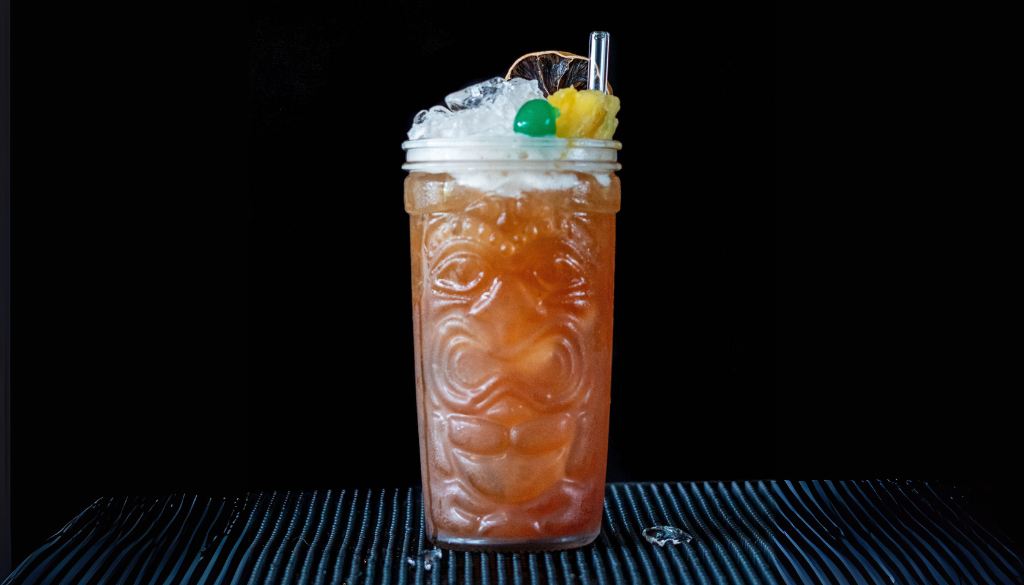
The Jungle Bird
Bitter, Bold & Beautiful
In the enchanting world of tiki cocktails, where every sip is a one-way ticket to tropical paradise, The Jungle Bird stands out as something truly different. It’s exotic, yes. It’s fruity, sure. But it also does something that most tiki drinks don’t dare to try: it embraces bitterness.
Unraveling the Mystery
This cocktail, born not in Hawaii or California like most tiki icons, but in 1978 Kuala Lumpur, Malaysia, has carved out its place in cocktail culture as both a throwback and a modern classic. Its balance of sweet pineapple, tart lime, dark rum, and the sharp, herbaceous bite of Campari makes it unlike anything else in the tiki canon.
But where did this tropical-meets-Italian aperitivo magic come from? And why has The Jungle Bird earned such a cult following among bartenders and drinkers alike? Let’s dive into its colorful backstory, explore how it’s made, and discover why this drink is far more than just another “fruity umbrella cocktail.”
The Jungle Bird Origin Story: Kuala Lumpur, 1978

Picture this: the swanky, newly opened Hilton Hotel in Kuala Lumpur in the late 1970s. The city was buzzing with new energy, and the Hilton wanted a signature cocktail to serve poolside at their Aviary Bar.
Enter Jeffrey Ong, a bartender with a flair for creativity. Inspired by the vibrant tropical birds that swooped around the hotel’s pool area, Ong wanted to capture that same beauty and wildness in a glass. His creation? A dark rum–forward cocktail brightened by pineapple, sharpened by lime, sweetened with Demerara syrup—and then hit with an unexpected ingredient: Campari.
That last choice was revolutionary. Up until then, tiki cocktails were all about layers of sweet juices, spiced syrups, and plenty of rum. Adding Campari, with its aggressively bitter orange-herbal punch, broke the rules. But in doing so, Ong created balance. Instead of being cloyingly sweet, The Jungle Bird became nuanced, complex, and surprisingly elegant.
The drink was christened The Jungle Bird—a nod to its avian inspiration—and served in a bird-shaped ceramic glass at the Aviary Bar. For years, it stayed a local Hilton favorite, a poolside oddity known mostly to hotel guests.
It wasn’t until tiki culture had its modern revival (thanks to authors like Jeff “Beachbum” Berry and books like Smuggler’s Cove) that The Jungle Bird finally spread its wings, making its way into cocktail bars worldwide.
Post-Tiki Era Elegance
Most tiki drinks trace their roots to mid-century America—think Trader Vic’s and Don the Beachcomber in the 1930s–50s. They were over-the-top, theatrical, designed to whisk you away from your suburban reality into a Polynesian fantasy.
But by the late ’70s, tiki was fading. Disco was in. Minimalism was creeping into fashion, food, and drink. Ong’s Jungle Bird reflects that shift: it’s simpler, leaner, and more balanced than its flamboyant tiki cousins.
Cocktail historian Jeff Berry calls The Jungle Bird a “post-tiki” drink. It kept tiki’s tropical heart but dressed it in a modern suit—bitter, sharp, a little moody. The Jungle Bird isn’t about excess; it’s about elegance.
The Heart of the Jungle Bird: A Deep Dive into the Ingredients
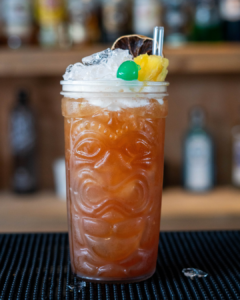
A cocktail is only as good as the spirits and mixers you pour into it, and The Jungle Bird is a shining example of balance. Sweet, sour, bitter, and boozy—every element has a job to do. To understand why this drink has become a modern classic, let’s break down its two star players: Campari and black blended rum.
Campari: The Bitter Star of the Show
If The Jungle Bird were a movie, Campari would be the dramatic scene-stealer—bold, complex, and impossible to ignore.
- Italian Origins: Born in Milan in 1860, Campari is the original aperitivo. It’s an infusion of herbs, spices, and fruit peels (the exact recipe is a closely guarded secret).
- Flavor Profile: Expect a rush of orange peel, cherry, and rhubarb up front, followed by earthy bitterness and herbal complexity.
- Why It Works in the Jungle Bird: Most tiki cocktails lean heavily on sweetness. The genius of The Jungle Bird is how Campari cuts through pineapple juice’s tropical candy vibes, bringing balance with a bitter backbone.
- Fun Fact: Without Campari, this cocktail simply wouldn’t be the same. Swap it out for Aperol, and you’ll get a softer, sweeter drink—but the iconic punch of The Jungle Bird will be gone.
So if you’re new to Campari and a little scared of its “adult bitterness,” let The Jungle Bird be your gateway. It’s one of the most approachable Campari cocktails out there.
Black Blended Rum: The Soul of the Jungle Bird
Where Campari adds drama, black rum brings depth, mystery, and richness. But not just any rum—this drink demands a bold, molasses-forward black blended rum.
What Makes Black Rum Special?
Black blended rums are aged longer and often made with caramel or molasses, which gives them their dark color, smoky-sweet flavor, and full-bodied texture. They stand up beautifully against tropical fruit juices and bold mixers like Campari.
Why Blackwell Rum Works
At Worthington’s Bar, we love using Blackwell Rum—crafted in Jamaica by Chris Blackwell (yes, the Island Records founder). It’s rich, smooth, and layered with notes of coffee, molasses, and warm spice, which makes it a killer match for the bitter bite of Campari and the brightness of pineapple.
Other Excellent Black Rums (As Recommended in Smuggler’s Cove)
If you want to play around, here are a few bartender-approved black blended rums to try in your next Jungle Bird:
- Coruba – A classic Jamaican rum with bold molasses notes.
- Gosling’s Black Seal – Famous for the Dark ’n Stormy, but also a rockstar in tiki cocktails.
- Hamilton Guyana 86 – Deep, earthy, and rich, with notes of brown sugar and spice.
- Kohala Bay – A legendary (and hard-to-find) rum beloved in tiki circles.
- Lemon Hart 80 – A Demerara rum that brings a smoky, toffee-like intensity.
- Pampero Anniversario – Smooth Venezuelan rum with a slightly chocolatey finish.
- Newfoundland Screech – A cult favorite with a quirky name and punchy character.
- Skipper Finest Old Demerara – Molasses-heavy, rich, and perfect for cocktails with bitter elements.
Each of these rums will change the Jungle Bird’s personality just slightly—some sweeter, some smokier, some more fiery. It’s like putting different musicians into the same band: the song is still recognizable, but the vibe changes.
The Supporting Cast: Sweet, Sour & Tropical
Every star needs a strong supporting cast, and in The Jungle Bird, the real magic happens when the tropical sweetness of pineapple, the sharp zing of lime, and the earthy richness of Demerara syrup step in to balance the bold duo of Campari and black rum.
Pineapple Juice: The Tropical Sweetheart
When you think “tiki,” you think pineapple. It’s the life of the party in The Jungle Bird, adding a juicy, tropical backbone that keeps everything light and refreshing.
- Flavor Profile: Sweet, tart, and juicy, pineapple adds a burst of sunshine to any cocktail.
- Fresh vs. Bottled: If you want your Jungle Bird to soar, go with freshly pressed pineapple juice. Bottled juice can work in a pinch, but fresh juice gives you that frothy, silky texture that’s essential in tiki cocktails.
- Why It Works: Pineapple bridges the gap between Campari’s bitterness and rum’s smokiness. Without it, the drink would lean too heavy and brooding. With it, the Jungle Bird becomes fun, approachable, and tropical.
- Pro Bartender Tip: If you’re shaking instead of flash blending, fresh pineapple juice naturally foams up, giving you that gorgeous frothy head on top of the drink.
Lime Juice: The Zingy Refresher
Every great tiki cocktail needs a citrus backbone, and lime juice delivers the acidity that makes The Jungle Bird pop.
- Flavor Profile: Sharp, tart, and refreshing.
- Fresh is Best: Always squeeze your limes fresh. Bottled lime juice is flat, bitter, and will ruin the balance of this cocktail.
- Why It Works: Lime is the counterweight to pineapple’s sweetness. Too much sweet without acid? You’ve got a sugar bomb. Lime cuts through, keeping the drink crisp and quenchable.
- Fun Fact: In tiki culture, lime isn’t just a flavor—it’s the foundation. Most classic tiki cocktails (Mai Tai, Daiquiri, Navy Grog) rely on lime to create balance. The Jungle Bird is no exception.
Demerara Syrup: The Secret Weapon
Sugar is sugar, right? Not when it comes to cocktails. In The Jungle Bird, we use Demerara syrup—a rich, golden sugar syrup made from raw Demerara sugar, which is less refined than white sugar and full of molasses character.
- Flavor Profile: Deep caramel, toffee, and molasses notes that give cocktails warmth and body.
- Why It Works: Demerara syrup rounds out the bitterness of Campari and the sharp acidity of lime while enhancing the rum’s molasses notes. It adds depth without overwhelming sweetness.
- How to Make It:
- Mix 2 parts Demerara sugar with 1 part hot water until dissolved.
- Store in a bottle in the fridge for up to 3 weeks.
- Pro Bartender Tip: Demerara syrup is a staple in tiki cocktails. Try swapping it in for simple syrup in a Daiquiri or Old Fashioned—you’ll never go back.
The Symphony of Balance
The brilliance of The Jungle Bird lies in how these ingredients play together:
- Pineapple brings sweetness and frothy fun.
- Lime cuts through with brightness and acidity.
- Demerara syrup adds a layer of caramelized richness.
- Campari delivers that bold, bitter bite.
- Black blended rum grounds everything with smoky, molasses depth.
On their own, these flavors might feel like they’re clashing. But together? They create one of the most unique and unforgettable tropical cocktails ever invented—a drink that’s equal parts bitter, sweet, sour, and smooth.
Crafting the Perfect Jungle Bird
Flash Blending vs. Shaking
One of the quirks that makes The Jungle Bird special is the way it’s built. Traditionally, this cocktail was flash blended—a quick whirl in a bar blender with a touch of crushed ice. This technique isn’t about pulverizing everything into a slushy but about aerating the drink, giving it a silky, frothy body that feels luxuriously smooth on the palate.
But let’s be real—unless you’ve got a tiki-bar-worthy setup at home, chances are you don’t have a flash blender sitting on your counter. That’s where the shake method comes in. With a good hard shake, you can still get plenty of aeration, chill, and dilution. Fresh pineapple juice naturally foams up when shaken, giving you that frothy “tiki magic” even without the blender.
How To Build a Jungle Bird Like a Pro (No Recipe, Just Vibes)
- Step 1: Ice is Everything → Whether you’re shaking or blending, use fresh, solid ice. Crushed ice is the tiki standard—it chills faster and gives the drink that refreshing, vacation-in-a-glass feel.
- Step 2: Shake Like You Mean It → Don’t be shy. A lazy shake won’t wake up the flavors. Go for a vigorous 10–12 seconds to fully marry the ingredients and build froth.
- Step 3: The Right Glass Matters → Traditionally served in a Collins or highball glass, though some tiki bars will pour it into something more whimsical. (If you’ve got a parrot glass lying around—this is its time to shine 🦜.)
- Step 4: Top With Flair → Garnishes aren’t just decoration in tiki—they’re part of the experience. A pineapple wedge, a cherry, or even a dramatic frond of pineapple leaf instantly transforms the drink into something exotic.
The method you choose—flash blending or shaking—won’t make or break your Jungle Bird. What matters most is balance and presentation. If the flavors are harmonious and the garnish makes you smile, you’ve done it right.
Variations on the Jungle Bird
Like any great cocktail, bartenders love riffing on The Jungle Bird. Here are some twists worth trying:
- The Tropical Negroni – Swap rum for gin, keep the Campari, and you’ve got a fruitier cousin to Italy’s most famous cocktail.
- The Jungle Bird Swizzle – Build it in a tall glass, add crushed ice, and swizzle with a stick for layers of flavor and a dramatic look.
- The Mezcal Bird – Replace rum with mezcal for a smoky, earthy edge.
- The Frozen Jungle Bird – Toss it in a blender with ice. Poolside perfection.
Pairing the Jungle Bird With Food
The Jungle Bird isn’t a wallflower. It’s bold, bittersweet, tropical, and unapologetically complex. Between the earthy depth of black rum, the sharp bitterness of Campari, and the lush sweetness of pineapple, this cocktail is practically begging to be paired with food that can hold its own. Think of it less as a “light refresher” and more as a culinary partner in crime.
🌶 Spice Loves Bitterness
The bitterness from Campari cuts beautifully through rich, spicy foods. Thai or Malaysian curries—especially those with coconut milk—are stellar companions. The creamy, spicy broth mellows the drink’s edge, while the cocktail’s fruity sweetness lifts the spices into something almost addictive. Jerk chicken also shines here: the rum base nods to Caribbean flavors, and the drink’s pineapple-campari combo slices through the charred, smoky spice like a perfect counterpoint.
🍖 Grilled Meats & Smoke
The Jungle Bird craves a grill. Whether it’s pork belly skewers, ribs, or jerk-seasoned pork chops, the cocktail’s balance of sweet, sour, and bitter finds harmony with smoky, charred meat. Even barbecued chicken with a sticky glaze works—the acidity in the lime and pineapple helps cut the fat, while the rum’s dark richness resonates with the smoke.
🍍 Tropical Echoes
Want to keep it playful? Lean into the drink’s tropical personality with charred pineapple skewers, roasted mango, or even caramelized bananas. These dishes don’t compete with the cocktail—they amplify it. Pairing tropical with tropical makes the whole experience feel like a sunset beach party in your mouth.
🧂 Salty Snacks, Elevated
Sometimes, you don’t need a full meal. The Jungle Bird shines next to simple, salty bites. Fried plantains, roasted nuts, or even crispy pork rinds become elevated when washed down with that bittersweet, citrusy profile. It’s the tiki equivalent of pairing Champagne with potato chips—unexpected but genius.
🥢 Fusion-Friendly
Because of its boldness, The Jungle Bird works in cross-cultural pairings too. Imagine sipping it with spicy Korean fried chicken, Mexican al pastor tacos, or even Szechuan-style stir fry. The bitterness tempers heat, the pineapple bridges sweet-savory flavors, and the rum ties it all together.
The Jungle Bird in Modern Cocktail Culture
For years, The Jungle Bird was a Hilton hotel secret. Then tiki revivalists rediscovered it, and suddenly it was everywhere—on craft bar menus from New York to Melbourne.
Why the resurgence? Simple: it bridges worlds. It’s tropical yet sophisticated, bitter yet refreshing, old-school yet modern. In a sea of sweet tiki punches, it stands out as a drink that’s unapologetically grown-up.
Today, it’s one of the few tiki cocktails recognized by the International Bartenders Association (IBA), solidifying its place among the greats.
🦜 The Jungle Bird 🦜
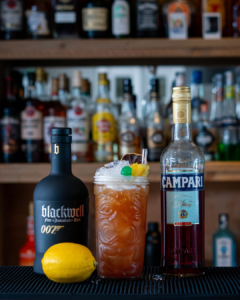
Recipe from Smuggler’s Cove.
Ingredients
- 90 ml Pineapple Juice
- 15 ml Lime Juice
- 15 ml Dermerara Syrup
- 22.5 ml Campari
- 45 ml Black Blended Rum
Garnish: Cocktail Cherry and Pineapple chunks
Instructions*
- Combine all ingredients into a shaker.
- Add crushed ice.
- Shake.
- Pour everything (dirty pour) in a collins or highball glass.
- Garnish with a cocktail cherry and pineapple pineapple chunks.
- Enjoy!
Remember: Drink Responsibly, Don’t Spill Any! 😉
*The recipe in the book calls for a flash blend, since we do not have a flash blender, we shake the cocktail with crushed ice and a few big cubes.
📸 Don’t forget to capture the magic of your Jungle Bird creation and share it with us using #WorthingtonsBar. We can’t wait to see the artistry and creativity you bring to this fantastic cocktail! Cheers to the perfect balance of flavors and the timeless pleasure of a well-crafted cocktail! 🌟
Final Thoughts: Raise Your Glass to The Jungle Bird
The Jungle Bird isn’t just another tiki cocktail—it’s a story in a glass. Born in Malaysia, inspired by tropical birds, and rescued from obscurity by cocktail nerds, it’s now a staple of the modern bar world.
It’s bold. It’s balanced. It’s beautiful.
So next time you want to impress your friends—or just escape to a tropical headspace—shake up a Jungle Bird. One sip, and you’ll understand why this bittersweet beauty has become a modern legend.
Cheers to the bird that flew out of Kuala Lumpur and landed in cocktail menus worldwide. 🥂
FAQ: Everything You Wanted to Know About The Jungle Bird
Q. What does The Jungle Bird taste like?
A. A perfect mix of sweet pineapple, tangy lime, dark rum richness, and Campari bitterness. Tropical but not too sweet.
Q. Is The Jungle Bird a tiki drink?
A. Yes, but it’s considered “post-tiki”—less flashy, more refined, but still rooted in tropical flavors.
Q. Can I use light rum instead of dark?
A.You can, but you’ll lose the depth and molasses notes. Dark or black rum is key.
Q. Why is Campari in The Jungle Bird?
A. It adds bitterness and balance. Without it, the drink would taste like candy.
Q. What glass should it be served in?
A. Traditionally a bird-shaped glass at the Aviary Bar. Nowadays, a Collins, rocks, or tiki glass works fine.
Q. What’s a good substitute for Campari?
A. Aperol (lighter, less bitter) or Cappelletti (slightly sweeter) can work in a pinch.
Q. Is it strong?
A. It’s balanced. The rum gives it backbone, but the juice and syrup make it approachable.
Q. Can I batch The Jungle Bird for parties?
A. Absolutely. Mix the base (rum, Campari, syrup) in advance, then add fresh juice when serving.
Q. Why is it called The Jungle Bird?
A. It was created at the Hilton Aviary Bar in KL, inspired by the tropical birds flying around the pool.
Q. What food pairs best with it?
A. Spicy, grilled, and tropical dishes. Think BBQ with a twist.
If you want to see the video tutorial on this drink, check it out on our Instagram page and TikTok! We would love to connect with you and hear about what recipe we should make next. 😁
Zodiac Signs as Cocktails: What Your Star Sign Would Order at the Bar - Part 1. Fire Signs 🔥 - Worthington's Bar
September 19, 2025 @ 13:26
[…] cocktail will do for a Sagittarius. You’re too unpredictable for that. That’s why your drink is the Jungle Bird—a tropical, rum-based cocktail that’s complex, underrated, and a little rebellious. Just like […]